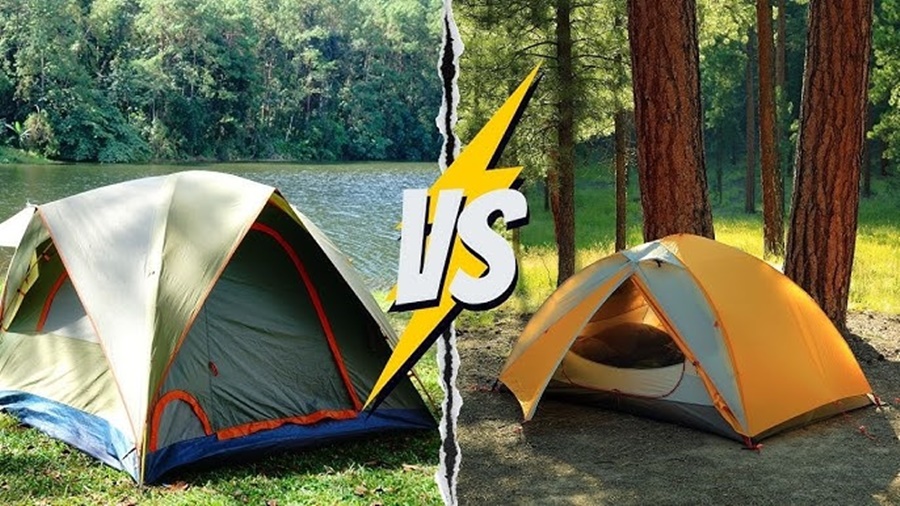
Camping and outdoor adventures require the right shelter, and choosing the correct tent can make a huge difference in comfort, weight, and convenience. Two common options outdoor enthusiasts often consider are 2-person tents and backpacking tents. While these terms are sometimes used interchangeably, they are not exactly the same.
Understanding the differences between these tents will help you choose the best option for your adventure, whether you’re hiking long distances, camping at a fixed site, or traveling light.
What Is a 2-Person Tent?
A 2-person tent is designed to accommodate two people sleeping side by side. The focus of this tent type is capacity, meaning it is built to fit two occupants comfortably (or at least technically).
Key Features of a 2-Person Tent
- Capacity for Two People
The main feature is its ability to sleep two adults. However, space may be snug depending on the model. - Variety of Designs
2-person tents come in different styles such as:- Dome tents
- Cabin-style tents
- Pop-up tents
- Lightweight backpacking versions
- Moderate Weight
These tents can range from lightweight to heavier models depending on their intended use. - Extra Storage Options
Many 2-person tents include vestibules or small gear areas for backpacks, shoes, or equipment.
Pros of a 2-Person Tent
- More space for one camper
- Comfortable for couples
- Often more affordable
- Easier setup in many models
Cons of a 2-Person Tent
- Some models can be heavy
- May not pack very small
- Not always designed for long-distance hiking
What Is a Backpacking Tent?
A backpacking tent is designed specifically for hikers and travelers who carry all their gear in a backpack. The main priority of these tents is lightweight portability and compact packing size.
Backpacking tents come in various capacities, including 1-person, 2-person, and even 3-person models.
Key Features of a Backpacking Tent
- Lightweight Construction
Backpacking tents are made with lightweight materials like aluminum poles and thin but durable fabrics. - Compact Packed Size
These tents fold into small carry bags that fit easily into or onto a backpack. - Fast Setup
Many backpacking tents are designed for quick setup after a long day of hiking. - Weather Resistance
They often include strong rainflies and ventilation systems to handle unpredictable weather.
Pros of a Backpacking Tent
- Extremely lightweight
- Easy to carry on long hikes
- Compact packing size
- Designed for outdoor travel
Cons of a Backpacking Tent
- Usually more expensive
- Less interior space
- Lightweight materials may be less durable
Key Differences Between a 2-Person Tent and a Backpacking Tent
Although there is some overlap, these tents serve different purposes. The main difference lies in design priority: capacity vs portability.
1. Purpose
- 2-Person Tent: Focused on sleeping space for two people.
- Backpacking Tent: Focused on portability and lightweight travel.
2. Weight
- 2-Person Tent: Can weigh anywhere from 4 to 7 pounds or more.
- Backpacking Tent: Typically weighs between 2 to 4 pounds.
3. Packed Size
- 2-Person Tent: Larger packed size, better for car camping.
- Backpacking Tent: Compact enough to attach to or fit inside a backpack.
4. Durability
- 2-Person Tent: Often made with thicker materials.
- Backpacking Tent: Uses lighter fabrics to reduce weight.
5. Price
- 2-Person Tent: Usually more affordable.
- Backpacking Tent: Often costs more due to lightweight technology.
When to Choose a 2-Person Tent
A 2-person tent is ideal if you:
- Camp at a fixed campsite
- Travel by car to your camping location
- Want more interior space
- Camp with a partner
- Prefer durability over ultra-lightweight gear
It is also a great option for solo campers who want extra room for gear and comfort.
When to Choose a Backpacking Tent
A backpacking tent is best when you:
- Plan to hike long distances
- Need to carry your shelter in a backpack
- Want to minimize pack weight
- Go on multi-day trekking trips
- Travel in remote areas
Backpacking tents are designed for mobility and efficiency, making them perfect for serious hikers and adventurers.
Can a Tent Be Both?
Yes. Many modern tents are 2-person backpacking tents. These models combine:
- Space for two campers
- Lightweight backpacking design
- Compact packing size
However, they are usually more expensive because they use advanced materials to keep weight low while maintaining durability.
Tips for Choosing the Right Tent
When selecting between a 2-person tent and a backpacking tent, consider the following factors:
1. Weight
If you will carry the tent for long distances, choose a lightweight backpacking model.
2. Space
If comfort and room are priorities, a regular 2-person tent may be better.
3. Weather Protection
Look for waterproof rainflies, durable poles, and good ventilation.
4. Setup Time
Freestanding tents are easier and faster to set up.
5. Budget
Backpacking tents often cost more due to specialized materials.
Conclusion
The choice between a 2-person tent and a backpacking tent ultimately depends on your camping style and travel needs.
A 2-person tent offers comfort, space, and affordability, making it ideal for casual camping trips or car camping. On the other hand, a backpacking tent prioritizes lightweight design and portability, making it perfect for hikers and long-distance adventurers.
Before buying a tent, think about how far you’ll carry it, how many people will use it, and the type of trips you plan to take. Selecting the right tent will ensure a more enjoyable and comfortable outdoor experience.




Leave a Reply