When planning an outdoor adventure whether backpacking, bikepacking, mountaineering, or camping choosing the right shelter can make a huge difference in comfort, safety, and overall experience. Two popular lightweight shelter options are the 2-person tent and the bivy sack (bivouac sack). Both serve the same basic purpose protecting you from weather and the elements but they differ significantly in design, weight, comfort, and use cases.
This article explores the key differences between a 2-person tent and a bivy sack, including their advantages, disadvantages, and ideal scenarios for each.
What Is a 2-Person Tent?
A 2-person tent is a small camping tent designed to accommodate two people. It typically includes poles, a rainfly, a groundsheet (floor), and mesh panels for ventilation. While marketed for two people, many solo campers choose a 2-person tent for the extra space and comfort.
These tents are widely used for backpacking, hiking, camping trips, and trekking because they offer a good balance between weight and livability.
Key Features
- Space for two people or one person with gear
- Separate rainfly for weather protection
- Ventilation panels to reduce condensation
- Lightweight aluminum or carbon poles
- Often includes vestibules for gear storage
Advantages of a 2-Person Tent
1. More Space and Comfort
A major benefit is the interior space. You can sit upright, move around, change clothes, and store gear inside or in the vestibule.
2. Better Weather Protection
Modern tents provide excellent protection against rain, wind, and insects. A full rainfly and sealed floor keep you dry during storms.
3. Versatility
A 2-person tent works for many situations: solo backpacking, camping with a partner, or trips where you want extra storage space.
4. Good Ventilation
Mesh panels and adjustable vents help reduce condensation, making the interior more comfortable.
Disadvantages of a 2-Person Tent
1. Heavier Than Minimal Shelters
Even lightweight backpacking tents usually weigh between 1.5 kg and 2.5 kg, which may feel heavy for ultralight hikers.
2. Setup Time
Tents require assembly with poles and stakes, which takes a few minutes.
3. Larger Packed Size
Compared to a bivy sack, tents take up more space in a backpack.
What Is a Bivy Sack?
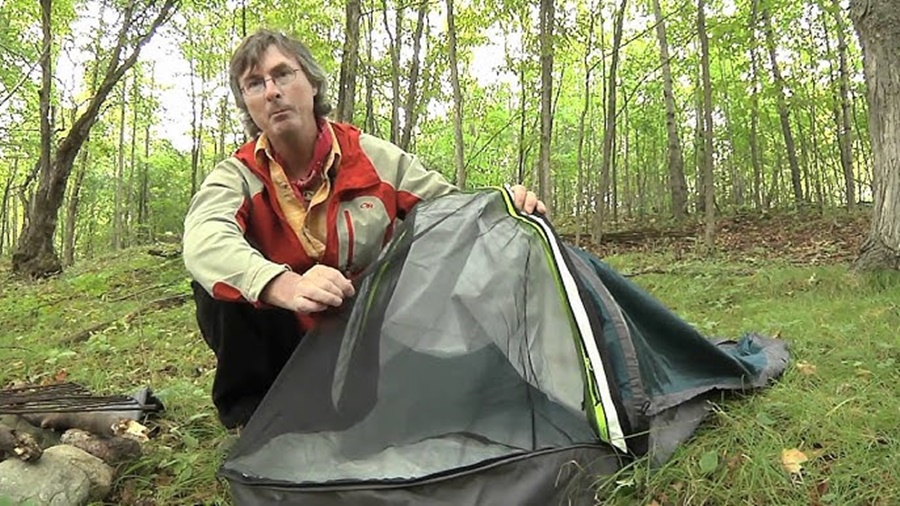
A bivy sack is an ultralight, waterproof shelter designed to cover a sleeping bag. The term “bivy” comes from “bivouac,” which refers to a temporary outdoor camp without a tent.
A bivy sack is essentially a protective shell that goes around your sleeping bag and sleeping pad. Some models include a small hoop or pole near the head for minimal breathing space.
Bivy sacks are commonly used by mountaineers, ultralight backpackers, bikepackers, and emergency campers.
Key Features
- Extremely compact and lightweight design
- Waterproof or water-resistant fabric
- Minimal setup required
- Covers sleeping bag and body completely
- Sometimes includes bug netting near the face
Advantages of a Bivy Sack
1. Ultralight and Compact
Most bivy sacks weigh between 200 grams and 800 grams, making them much lighter than tents.
2. Very Fast Setup
You simply unroll the bivy, place your sleeping bag inside, and you’re ready to sleep.
3. Great for Tight Spaces
A bivy can be used almost anywhere—on narrow ledges, small forest clearings, or rocky terrain where tents cannot be pitched.
4. Ideal for Minimalist Travel
For ultralight hikers and mountaineers who prioritize weight savings, a bivy sack is a great choice.
Disadvantages of a Bivy Sack
1. Limited Space
You cannot sit up or move freely. Most bivy sacks are just large enough for a sleeping bag and a small pad.
2. Condensation Issues
Because of the limited airflow, condensation can build up inside the bivy.
3. Limited Weather Comfort
While waterproof models exist, prolonged rain or storms can be uncomfortable.
4. No Gear Storage
Your backpack and equipment must usually stay outside unless you cover them separately.
Key Differences Between a 2-Person Tent and a Bivy Sack
1. Weight and Packability
One of the biggest differences is weight.
- Bivy Sack: Extremely lightweight and compact
- 2-Person Tent: Heavier and bulkier but more comfortable
For ultralight backpackers, the bivy sack often wins in this category.
2. Comfort and Living Space
Comfort strongly favors the tent.
- A 2-person tent allows you to sit up, move around, and organize gear.
- A bivy sack is essentially a sleeping cocoon.
For multi-day trips where you may spend time inside during bad weather, a tent is much more comfortable.
3. Weather Protection
Both options offer protection, but in different ways.
- Tents provide full protection from rain, wind, and insects with a stable structure.
- Bivy sacks protect from moisture and wind but can feel restrictive during storms.
In harsh weather conditions, tents are generally more reliable.
4. Setup and Convenience
Bivy sacks are simpler.
- Bivy Sack: Unroll and sleep.
- Tent: Requires poles, stakes, and sometimes a rainfly.
However, modern backpacking tents are also relatively quick to set up.
5. Versatility
A 2-person tent is more versatile for most outdoor activities.
You can use it for:
- Solo camping
- Two-person trips
- Extended backpacking journeys
- Rainy or buggy environments
Bivy sacks are best for minimalist trips where weight and speed matter most.
When to Choose a 2-Person Tent
A 2-person tent is a better option if:
- You are camping with a partner
- You want extra space for comfort
- You expect heavy rain or bad weather
- You are going on multi-day backpacking trips
- You want protection from insects
It is the most common choice for general camping and backpacking.
When to Choose a Bivy Sack
A bivy sack may be the better option if:
- You prioritize ultralight gear
- You are mountaineering or climbing
- You need a quick emergency shelter
- You are bikepacking or fastpacking
- You expect to sleep in very tight spaces
Bivy sacks are popular among minimalist adventurers and alpine climbers.
Combining Both: Bivy with a Tarp
Some outdoor enthusiasts use a bivy sack with a tarp. This combination provides:
- Extra weather protection
- Better ventilation
- Very low overall weight
A tarp-and-bivy system often weighs less than a tent while offering more protection than a bivy alone.
Conclusion
Both the 2-person tent and the bivy sack have unique strengths. A tent offers superior comfort, protection, and versatility, making it ideal for most camping and backpacking trips. On the other hand, a bivy sack shines in situations where minimal weight, speed, and simplicity are the top priorities.
Choosing between the two ultimately depends on your trip style, weather conditions, and personal comfort preferences. For most campers, a lightweight 2-person tent provides the best balance between protection and livability. However, for ultralight adventurers and mountaineers, the compact bivy sack remains an efficient and practical shelter option.



Leave a Reply