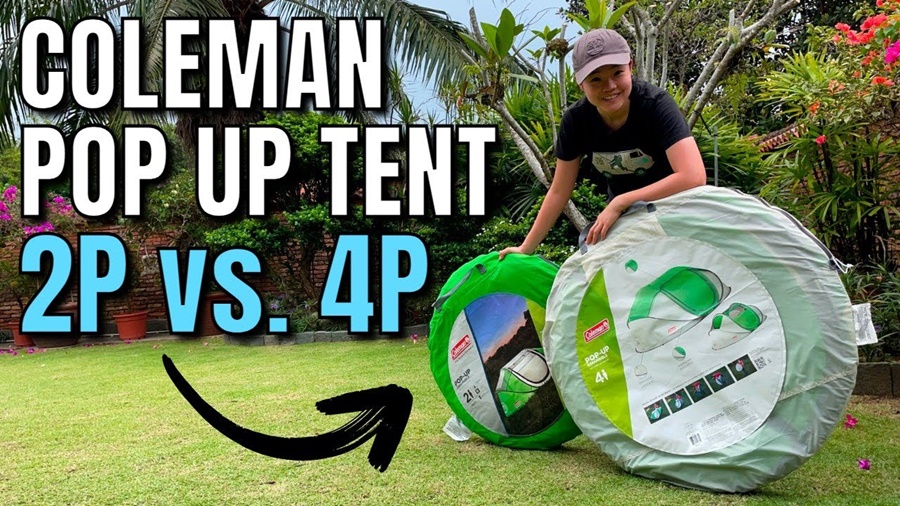
Choosing the right camping tent is one of the most important decisions for any outdoor trip. Among the most common options are 2 person tents and 4 person tents. While both are designed to provide shelter, they differ significantly in size, weight, comfort, portability, and ideal usage.
This article provides a detailed comparison to help you decide which tent suits your camping style, group size, and travel needs.
Understanding Tent Capacity
Tent capacity refers to the maximum number of people that can sleep inside the tent in sleeping bags placed closely side-by-side. However, this rating usually assumes minimal extra space for gear or comfort.
For example:
- A 2 person tent fits two adults tightly with little extra space.
- A 4 person tent can fit four people, but many campers use it for 2–3 people to enjoy extra comfort and storage space.
Because of this, experienced campers often choose a tent one size larger than the number of people in their group.
What Is a 2 Person Tent?
A 2 person tent is a compact camping shelter designed for two adults or one adult with gear. It is typically lightweight, portable, and easy to set up.
Key Features
- Compact size
- Lightweight construction
- Quick setup
- Ideal for backpacking
- Limited interior space
Advantages
1. Lightweight and Portable
Most 2 person tents weigh between 1.5 kg and 3 kg, making them ideal for hikers and backpackers who carry all their gear.
2. Quick Setup
Smaller tents usually require fewer poles and less time to assemble.
3. Easy to Carry
They pack down into small bags, which is perfect for trekking, cycling trips, or motorcycle camping.
4. Better for Solo Campers
Many solo campers choose a 2 person tent because it provides extra space for gear while remaining lightweight.
Disadvantages
1. Limited Space
Two adults may feel cramped, especially if they have backpacks or equipment.
2. Less Comfort for Long Trips
For multi-day camping trips, the tight space can feel restrictive.
3. Poor Storage Capacity
There is usually little room for bags, shoes, or cooking gear inside.
What Is a 4 Person Tent?
A 4 person tent is a larger camping shelter designed to comfortably accommodate up to four people. These tents are common for family camping and car camping trips.
Key Features
- Larger interior space
- Higher ceiling height
- Multiple storage pockets
- Often includes vestibules or gear areas
- Better ventilation
Advantages
1. More Interior Space
A 4 person tent allows campers to stretch, move around, and store gear inside.
2. Ideal for Families or Groups
These tents work well for family camping trips with children or small groups of friends.
3. Better Comfort
Extra space improves sleep quality and overall camping experience.
4. More Storage Options
Many 4 person tents include gear lofts, vestibules, and pockets.
Disadvantages
1. Heavier Weight
Most 4 person tents weigh 4 kg to 8 kg, making them less suitable for backpacking.
2. Larger Packed Size
They require more storage space and may be difficult to carry on long hikes.
3. Longer Setup Time
More poles and components mean a slightly more complex setup process.
Size and Space Comparison
One of the biggest differences between these tents is floor space and headroom.
| Feature | 2 Person Tent | 4 Person Tent |
|---|---|---|
| Typical Floor Size | 25–35 sq ft | 50–70 sq ft |
| Height | 90–110 cm | 120–150 cm |
| Weight | 1.5–3 kg | 4–8 kg |
| Packed Size | Small | Medium to Large |
A 4 person tent can often be double the size of a 2 person tent.
Portability and Weight
For backpacking trips, weight is a critical factor.
- 2 Person Tent
Ideal for hikers and travelers who carry gear long distances. - 4 Person Tent
Better for car camping, where you drive to the campsite and weight is not a major concern.
If you plan to hike several kilometers to your campsite, a 2 person tent is usually the better option.
Comfort and Livability
Comfort becomes important during multi-day trips or bad weather conditions.
A 2 person tent offers minimal living space. You mostly use it for sleeping only.
A 4 person tent, on the other hand, can provide:
- space to sit up
- room for gear
- better airflow
- a more relaxed environment
For longer camping trips, many campers prefer the extra comfort of a larger tent.
Ideal Use Cases
When to Choose a 2 Person Tent
A 2 person tent is best for:
- Solo camping trips
- Backpacking and trekking
- Motorcycle touring
- Lightweight travel
- Short overnight trips
When to Choose a 4 Person Tent
A 4 person tent is ideal for:
- Family camping
- Car camping
- Group trips
- Festivals
- Extended camping stays
Cost Comparison
Generally, larger tents cost more, but price depends on materials and brand.
Typical price ranges:
- 2 Person Tent: $40 – $200
- 4 Person Tent: $80 – $400
High-end backpacking tents can cost even more due to ultralight materials and advanced weather protection.
Weather Resistance
Both tent sizes can provide good weather protection if they include:
- Waterproof rainfly
- Durable floor material
- Strong poles
- Proper ventilation
However, larger tents may handle storms better because they often use stronger frames and thicker materials.
Which Tent Should You Choose?
The best choice depends on how and where you camp.
Choose a 2 person tent if you want:
- lightweight gear
- easy portability
- quick setup
- backpacking compatibility
Choose a 4 person tent if you want:
- more comfort
- extra storage space
- family-friendly camping
- room to move inside the tent
Many experienced campers follow a simple rule:
For maximum comfort, choose a tent rated for one or two people more than your group size.
Conclusion
Both 2 person tents and 4 person tents serve different purposes in the camping world. A 2 person tent focuses on portability and simplicity, while a 4 person tent prioritizes space and comfort.
If you are a solo adventurer or backpacker, a 2 person tent will likely meet your needs. However, if you camp with friends, family, or prefer extra room, a 4 person tent is the better investment.
By considering group size, travel style, weight, and comfort, you can select the tent that will make your outdoor adventures more enjoyable and stress-free.



Leave a Reply