
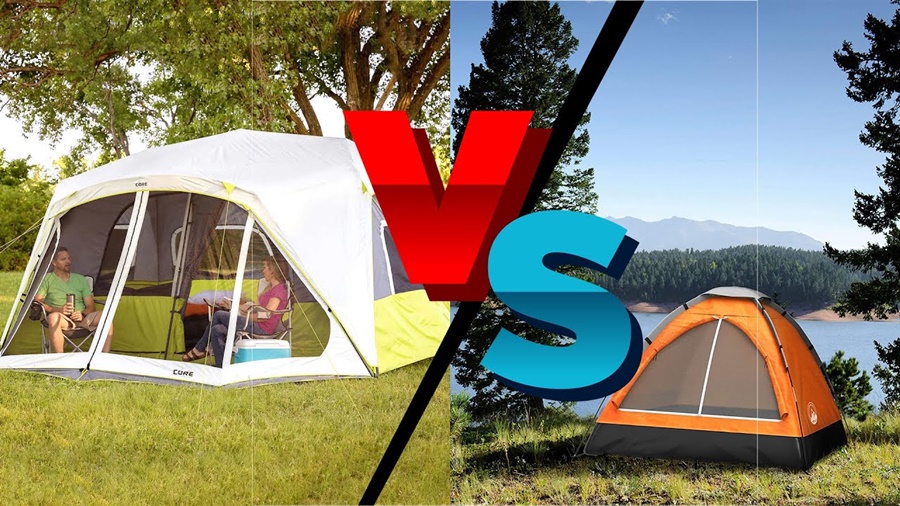
When planning a camping trip, choosing the right tent is one of the most important decisions. Two of the most common options are 2-person tents and cabin tents. While both provide shelter outdoors, they are designed for very different camping styles and group sizes.
In this article, we will explore the differences between 2-person tents and cabin tents, including their size, portability, comfort, setup, and best use cases. This comparison will help you decide which tent is the better choice for your next outdoor adventure.
What Is a 2-Person Tent?
A 2-person tent is a small, lightweight shelter designed to accommodate two campers. These tents are commonly used for backpacking, hiking, and minimalist camping where portability and weight are critical factors.
Most 2-person tents are compact and designed to fit into a backpack. They typically include space for two sleeping pads and minimal gear storage.
Key Features
- Lightweight and easy to carry
- Compact packed size
- Quick setup
- Designed for short trips or backpacking
- Usually dome or tunnel-shaped
Advantages
- Highly Portable
One of the biggest benefits of a 2-person tent is its lightweight design. Many models weigh between 1.5 kg and 3 kg, making them ideal for hikers and backpackers. - Fast Setup
These tents can usually be pitched in 5–10 minutes, which is helpful when arriving at camp late or during bad weather. - Budget Friendly
In general, 2-person tents are more affordable than larger family tents. - Ideal for Solo or Duo Camping
They are perfect for solo travelers who want extra space or for couples who prefer compact camping gear.
Disadvantages
- Limited space for gear
- Less headroom
- Not suitable for families or large groups
- Less comfortable for long camping stays
What Is a Cabin Tent?
A cabin tent is a large tent designed for family camping or group camping trips. These tents are known for their vertical walls and spacious interiors that resemble a small cabin.
Cabin tents can accommodate anywhere from 4 to 12 people, depending on the model.
Key Features
- Large interior space
- Tall ceilings and vertical walls
- Multiple rooms or dividers
- Large doors and windows
- Designed for car camping rather than backpacking
Advantages
- Spacious Interior
Cabin tents provide plenty of room for sleeping, storage, and movement. Many allow campers to stand upright inside, which increases comfort. - Family-Friendly Design
Many models include room dividers, making it easier to separate sleeping areas for privacy. - Better for Long Camping Trips
If you plan to camp for several days, the extra space makes the experience much more comfortable. - Good Ventilation
Larger windows and mesh panels provide excellent airflow.
Disadvantages
- Heavy and bulky
- Longer setup time
- Requires a larger campsite
- More expensive
Size and Space Comparison
One of the biggest differences between these two tents is space.
A 2-person tent usually has a floor area of about 25–35 square feet, just enough for two sleeping pads placed side by side.
In contrast, a cabin tent can offer 80–150+ square feet of space, allowing multiple people to sleep comfortably while storing gear inside.
Additionally, cabin tents often have standing height ceilings, while 2-person tents require campers to sit or lie down due to low headroom.
Weight and Portability
Portability is where the 2-person tent clearly wins.
- 2-person tents: typically 1.5–3 kg
- Cabin tents: often 10–25 kg or more
Because of this large weight difference, cabin tents are generally used for car camping, where you can transport gear directly to the campsite by vehicle.
Backpackers, hikers, and cyclists usually prefer 2-person tents because they are much easier to carry over long distances.
Setup and Ease of Use
Another major difference is setup time.
2-Person Tent Setup
- Usually takes 5–10 minutes
- Simple pole system
- Designed for quick assembly
Cabin Tent Setup
- May take 15–30 minutes
- Larger frame structures
- Often requires two people to set up
While some modern cabin tents feature instant-setup systems, they are still generally more complex than smaller tents.
Weather Performance
Weather resistance varies depending on the design and materials used.
2-person tents are often better suited for windy or harsh conditions because their smaller profile makes them more stable.
Cabin tents, with their tall vertical walls, can be more vulnerable to strong winds. However, they still perform well in moderate weather when properly staked and guyed.
For heavy rain or mountain conditions, high-quality backpacking tents usually provide better protection.
Best Use Cases
Choose a 2-Person Tent If:
- You are backpacking or hiking
- You need lightweight gear
- You are camping solo or with one partner
- You want quick setup and portability
Choose a Cabin Tent If:
- You are camping with family or a large group
- You want maximum comfort and space
- You are car camping
- You plan to stay at one campsite for multiple days
Price Comparison
Pricing can vary widely depending on brand and features.
- 2-person tents: typically range from $50 to $300
- Cabin tents: usually range from $150 to $600 or more
High-end models with weatherproof materials, aluminum poles, and premium ventilation systems can cost significantly more.
Conclusion
Both 2-person tents and cabin tents serve different purposes in the camping world. A 2-person tent is perfect for travelers who prioritize mobility, lightweight gear, and quick setup. On the other hand, a cabin tent offers comfort, space, and family-friendly features for relaxed camping trips.
Before making a purchase, consider factors such as group size, transportation method, trip duration, and weather conditions. Choosing the right tent will ensure a more enjoyable and comfortable outdoor experience.
Ultimately, the best tent is the one that fits your camping style and adventure plans.





Leave a Reply