Camping gear has evolved significantly over the years, giving outdoor enthusiasts multiple shelter options. Two popular choices are the 2-person tent and the hammock tent. Both provide protection from the elements and a place to rest, but they differ greatly in design, comfort, setup, and suitability for various environments.
This article explores the key differences between a 2-person tent and a hammock tent, including their advantages, disadvantages, and the types of camping where each performs best.
What Is a 2-Person Tent?
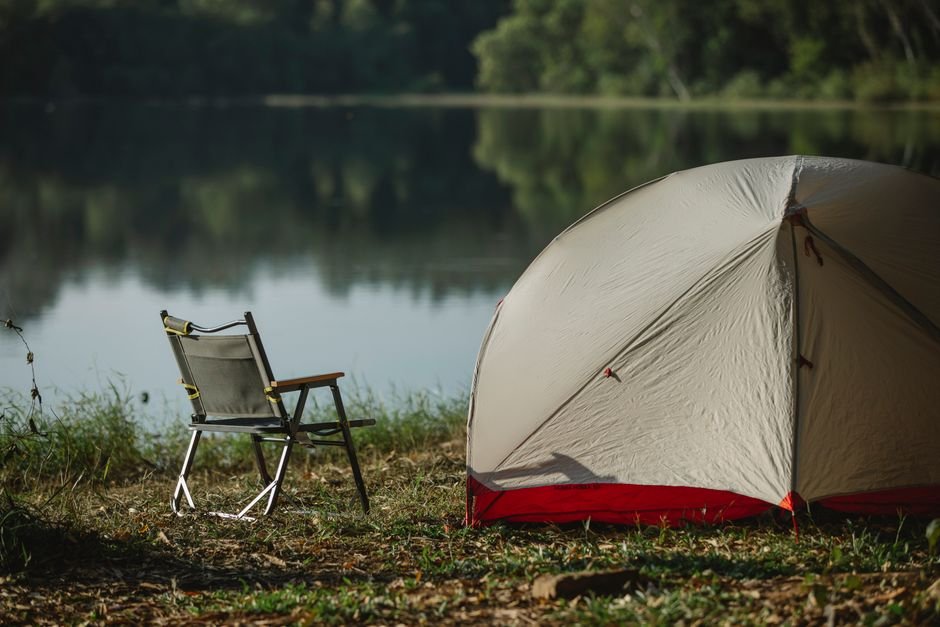
A 2-person tent is a traditional ground shelter designed to accommodate two people. It typically includes a waterproof rainfly, tent body, poles, and a groundsheet or footprint. These tents are commonly used for backpacking, hiking trips, car camping, and mountaineering.
Most 2-person tents provide enough space for two sleeping pads and gear storage, although some campers prefer using them solo for extra comfort.
Advantages of a 2-Person Tent
1. More Interior Space
A 2-person tent provides room to sit, change clothes, and store backpacks or boots. Many models include vestibules for additional storage.
2. Works Almost Anywhere
You can pitch a tent on most flat surfaces, including forests, mountains, deserts, beaches, and campgrounds.
3. Better for Cold and Windy Conditions
Tents block wind more effectively and can retain heat better, making them suitable for cold-weather camping.
4. Privacy
A tent offers complete enclosure, which many campers prefer in busy campgrounds.
5. Shared Shelter
Two people can sleep together comfortably, making it ideal for couples or friends.
Disadvantages of a 2-Person Tent
1. Heavier to Carry
Even lightweight backpacking tents usually weigh between 1.5 kg and 3 kg, which can be noticeable during long hikes.
2. Requires Ground Preparation
You need a relatively flat and debris-free surface to pitch a tent properly.
3. Slower Setup
Tent poles, stakes, and rainfly assembly can take more time compared to hammock systems.
What Is a Hammock Tent?
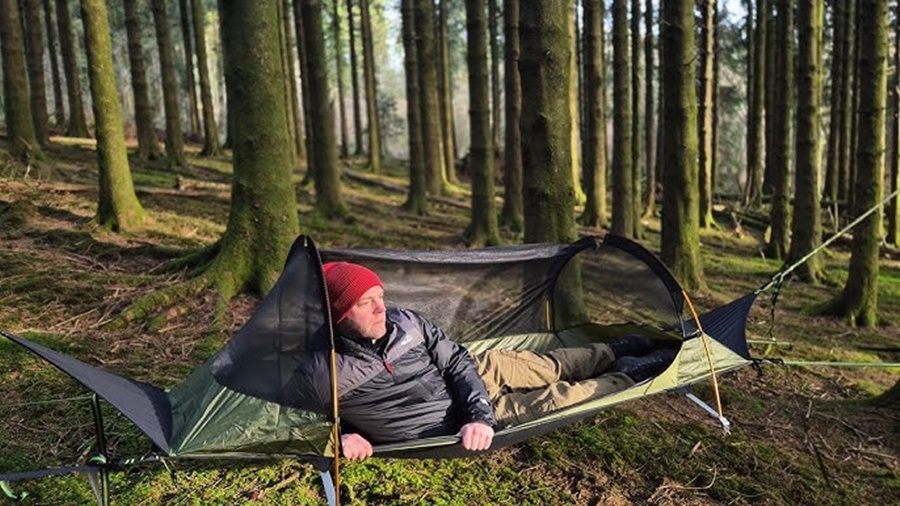
A hammock tent is a suspended shelter that hangs between two trees. It usually includes a hammock, suspension straps, mosquito netting, and a rain tarp overhead. Instead of sleeping on the ground, campers sleep suspended in the air.
Hammock tents are especially popular among ultralight backpackers and forest campers.
Advantages of a Hammock Tent
1. Lightweight and Compact
Hammock systems often weigh under 1.5 kg, making them ideal for backpacking.
2. Comfortable Sleeping Position
Many campers find hammocks more comfortable than sleeping pads because they reduce pressure points.
3. Easy Setup in Forested Areas
In areas with plenty of trees, setup can be quick and simple.
4. Keeps You Off the Ground
You avoid mud, rocks, roots, insects, and uneven ground.
5. Better Airflow
Hammocks provide excellent ventilation, making them comfortable in hot and humid climates.
Disadvantages of a Hammock Tent
1. Requires Trees or Anchor Points
Without two strong trees or supports, a hammock cannot be used.
2. Limited Space for Gear
Most gear must stay on the ground under the tarp or in separate bags.
3. Colder at Night
Air circulating under the hammock can cause heat loss, especially in cold weather.
4. Harder for Side Sleepers
Although some hammocks allow diagonal sleeping, not everyone finds them comfortable.
5. Not Ideal for Couples
Most hammock tents are designed for one person only.
Weight and Packability
Weight matters for backpackers and long-distance hikers.
- 2-Person Tent: Usually 1.5–3 kg depending on materials and design.
- Hammock Tent: Often 700 g to 1.5 kg.
Hammock systems typically pack smaller and lighter, which can reduce backpack weight significantly.
Comfort Comparison
Comfort is subjective and depends on personal sleeping preferences.
2-Person Tent Comfort
- Allows sleeping on a pad or inflatable mattress
- Provides room to stretch and move
- Better for people who toss and turn
Hammock Tent Comfort
- Eliminates pressure points
- Gentle rocking motion can improve sleep
- Requires adjustment to sleeping diagonally
Some campers report their best sleep ever in hammocks, while others prefer the stability of ground tents.
Weather Protection
Weather performance is another important factor.
Tents
- Strong wind resistance
- Better insulation from cold air
- Works in open landscapes
Hammock Tents
- Excellent rain protection with a tarp
- Poor insulation without an underquilt
- Less stable in strong winds
For winter camping or alpine environments, tents generally perform better.
Terrain and Environment
Your camping location often determines the best shelter.
Best Environments for 2-Person Tents
- Mountains
- Deserts
- Beaches
- Open fields
- Campgrounds
Best Environments for Hammock Tents
- Forests
- Jungle environments
- Wet or muddy terrain
- Uneven ground areas
If trees are scarce, a hammock setup may become impossible.
Setup Time
2-Person Tent
- Usually 5–10 minutes
- Requires stakes and flat ground
Hammock Tent
- Often 2–5 minutes
- Only needs two anchor points
However, beginners may take longer while learning proper hammock suspension.
Cost Comparison
Prices vary depending on quality and brand.
2-Person Tents
- Budget: $50–$120
- Mid-range: $120–$300
- Premium: $300+
Hammock Tents
- Basic hammock systems: $40–$100
- Complete hammock camping setups: $100–$250
- High-end ultralight systems: $300+
In many cases, a full hammock setup (hammock, tarp, bug net, underquilt) can cost as much as a good tent.
Which One Should You Choose?
The right choice depends on your camping style, environment, and comfort preference.
Choose a 2-person tent if:
- You camp in open areas without trees
- You want space for two people
- You camp in cold or windy conditions
- You prefer traditional sleeping setups
Choose a hammock tent if:
- You camp mainly in forests
- You want ultralight gear
- You dislike sleeping on uneven ground
- You often camp in warm climates
Conclusion
Both 2-person tents and hammock tents have their place in outdoor adventures. Traditional tents offer versatility, weather protection, and shared space, while hammock tents provide lightweight comfort and excellent performance in forest environments.
For many campers, the best solution depends on where they camp most often. Some experienced hikers even carry both systems for different types of trips.
Ultimately, choosing the right shelter can significantly improve your camping experience, helping you stay comfortable, safe, and well-rested during your time in the outdoors.



Leave a Reply