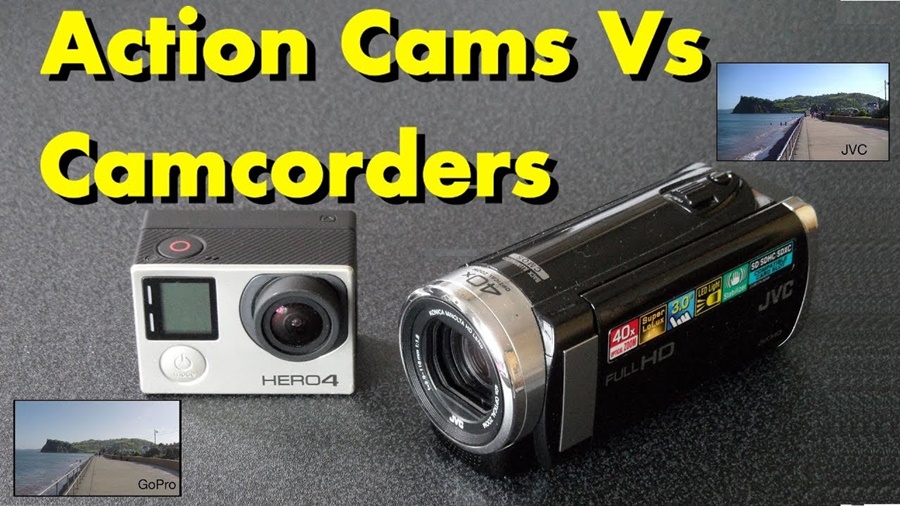
When choosing a video recording device, many people find themselves deciding between an action camera and a camcorder. While both are designed to capture video, they serve very different purposes and excel in different environments. Understanding their differences will help you make the right choice based on your needs, whether you’re filming outdoor adventures, family events, or professional content.
What Is an Action Camera?
An action camera is a compact, lightweight device built for capturing fast-paced activities and extreme environments. These cameras are designed to be mounted on helmets, bikes, surfboards, or even drones.
Key Features:
- Small and portable design
- Wide-angle lens (often ultra-wide)
- Waterproof and shock-resistant (sometimes without extra housing)
- Mountable on various surfaces
- Excellent for hands-free recording
Best Uses:
- Sports like biking, surfing, skiing
- Travel vlogging
- Underwater recording
- Adventure and outdoor activities
What Is a Camcorder?
A camcorder is a traditional video camera designed primarily for recording longer, more stable footage. It is commonly used for events, documentaries, and professional video production.
Key Features:
- Ergonomic handheld design
- Optical zoom capabilities
- Longer battery life
- Better audio input options (external microphones)
- Superior image stabilization in many models
Best Uses:
- Weddings and events
- Interviews and documentaries
- Home videos
- Educational or professional filming
Key Differences Between Action Cameras and Camcorders
1. Size and Portability
Action cameras are extremely compact and easy to carry anywhere. Camcorders are larger and bulkier, making them less convenient for travel but more comfortable for extended handheld use.
2. Video Quality
Both devices can shoot high-resolution video (including 4K and beyond), but they differ in style:
- Action cameras prioritize wide, immersive shots
- Camcorders offer more controlled framing and better zoom
3. Zoom Capability
- Action cameras typically have little to no optical zoom
- Camcorders often feature powerful optical zoom, ideal for distant subjects
4. Durability
Action cameras are built for harsh conditions—waterproof, dustproof, and shock-resistant. Camcorders are more delicate and usually require careful handling.
5. Stabilization
Action cameras use advanced digital stabilization to smooth out movement during intense activities. Camcorders rely on optical stabilization, which works well for steady handheld shooting.
6. Audio Quality
Camcorders generally offer better audio recording, especially with external microphone support. Action cameras often have limited audio quality due to their compact size and waterproof casing.
7. Battery Life
Camcorders usually have longer battery life, making them suitable for long recording sessions. Action cameras tend to have shorter battery durations due to their small size.
8. Ease of Use
- Action cameras are simple and often controlled via apps or buttons
- Camcorders provide more manual controls and settings for advanced users
Pros and Cons
Action Camera
Pros:
- Ultra-portable
- Highly durable
- Great for action shots
- Versatile mounting options
Cons:
- Limited zoom
- Short battery life
- Average audio quality
Camcorder
Pros:
- Excellent zoom and focus control
- Better audio capabilities
- Longer recording time
- Comfortable for extended use
Cons:
- Bulky
- Less durable
- Not ideal for extreme conditions
Which One Should You Choose?
The right choice depends on how you plan to use the camera:
- Choose an action camera if you are into adventure, sports, or travel and need something rugged and portable.
- Choose a camcorder if you want to record events, interviews, or professional-quality videos with better control and audio.
Conclusion
Action cameras and camcorders are not direct competitors—they are tools designed for different purposes. If your priority is capturing thrilling, on-the-go footage in challenging environments, an action camera is the better fit. On the other hand, if you need stable, high-quality recordings with zoom and sound control, a camcorder will serve you well.
In many cases, content creators even use both devices together to take advantage of their unique strengths.




Leave a Reply