
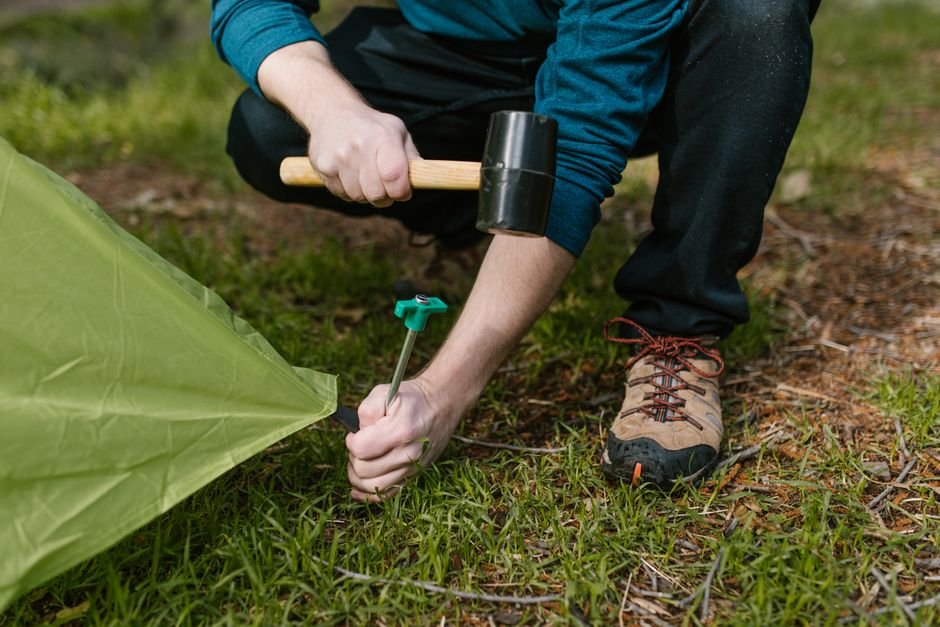
Over 40% of campers face issues like leaking tents or non-functioning stoves during their trips. This can lead to significant frustrations that detract from the outdoor experience. Troubleshooting camping gear before, during, and after your trips can prevent these problems and help keep your adventures enjoyable.
Understanding which equipment is prone to failure can help you put in the necessary preventive measures. In my experience, the focus should be on maintaining your gear properly and knowing how to fix minor problems quickly. This approach will not only enhance your camping trips but also extend the life of your equipment. Read on to learn troubleshooting tips that can be a game changer.

Common Issues with Camping Gear
The most frequent complaints about camping gear usually involve three main categories: tents, cooking equipment, and lighting gear. Let’s break these down.
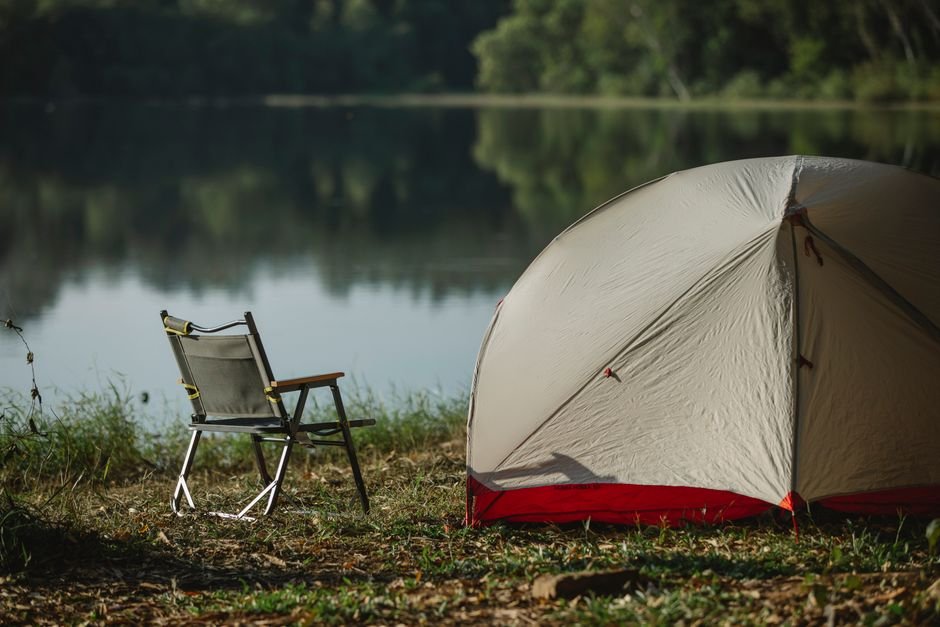
First, tent leaks can occur for various reasons, often dictated by the weather. Heavy rain can expose weaknesses in seams or fabric. It’s crucial to check your tent for signs of damage before setting it up. Remember, even a small hole can turn into a big problem during storms.
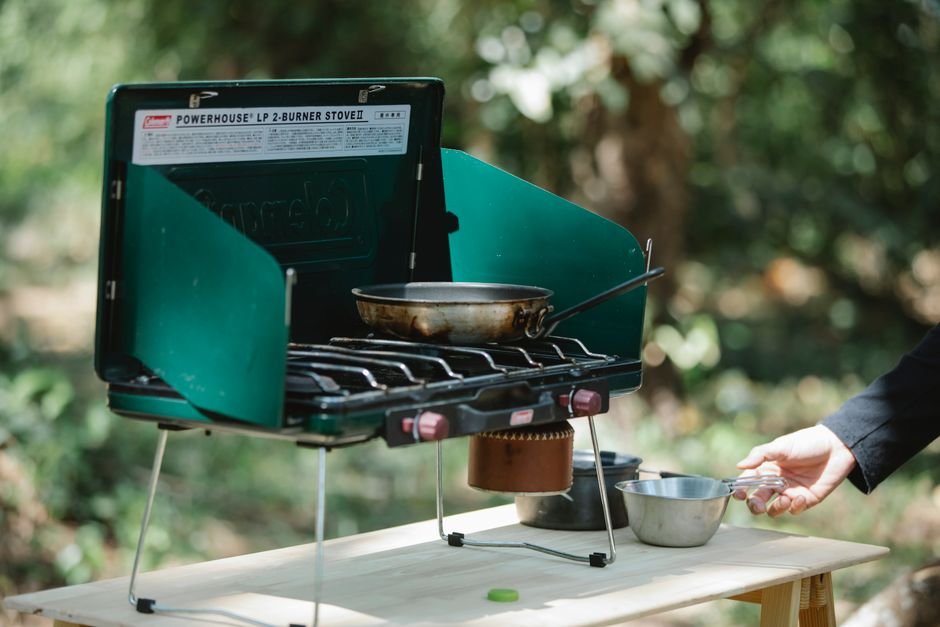
Next, cooking equipment can be a major hassle. Stoves are prone to malfunctions, the gas might be too low, or the igniter can fail. Many campers overlook the importance of regular maintenance. A simple cleaning process, such as removing dirt from burners, can prevent many cooking issues.
Finally, lighting failures often stem from weak batteries or faulty wiring. It’s shocking how many campers don’t bring extra batteries. If your gear relies on them, consider packing additional batteries. I always have a couple of extras just in case.
Step-by-Step Gear Troubleshooting
When gear fails, the first step is to assess the problem thoroughly. Start by gathering the necessary tools and items you might need for a fix. Then, follow these steps:
1. Inspect the equipment thoroughly for visible signs of damage. For instance, on a tent, check all seams, zippers, and the fabric itself.
2. Test functionality. If a stove doesn’t ignite, confirm that the gas canister is full and securely connected.
3. Address the issue. For small tears in tents, a patch kit can effectively seal them. You can use duct tape temporarily to hold things together until a proper fix can be applied.
When it comes to lighting, inspect the bulb and connections. Sometimes, simply tightening connections can resolve the issue.

Preventive Measures for Camping Gear
Taking care of your camping gear shouldn’t start just on the day of your trip; it should be an ongoing process. Regular maintenance will help you avoid many common issues. For example, here’s what I recommend:
– **Clean Equipment**: Ensure all your gear is clean and dry before storing it. This simple habit prevents mildew and keeps parts in good shape.
– **Store Properly**: Using storage bags designed for specific gear can help avoid unnecessary pressure on parts. Compressing camping stoves or tents into tight spaces may lead to damage.
– **Perform Routine Checks**: Before every camping trip, I conduct a full inventory and testing session a week prior. This way, I can order replacements if any gear needs attention.
By proactively managing gear, you reduce the likelihood of finding yourself with a malfunctioning item when you’re miles away from home.
Essential Repair Kits to Pack
I can’t stress enough the importance of being prepared with the right tools. A few essential items can make a world of difference when troubleshooting. Here are my must-haves:
– **Tent Repair Kit**: Include seam sealer, patches, and duct tape.
– **Multi-tool**: A good one can handle most quick fixes.
– **Stove Repair Kit**: Ensure you pack replacement parts, including O-rings and igniters.
– **Battery Tester**: This small device can save you from carrying dead batteries.
Being prepared with proper repair kits might seem like just another logistical exercise, but it ensures that I don’t find myself stuck in the dark or facing a cold dinner.
When to Replace Instead of Repair
While it’s great to fix gear, sometimes replacement is the best option. If a crucial piece of gear is irreparably damaged, you could risk safety and comfort. Here’s what to consider:
– If your tent has multiple leaks that can’t be patched effectively, it may be time for a new one.
– Cooking equipment older than five years might require replacement if parts can’t be sourced.
– For lighting, if you find yourself constantly replacing batteries or struggling with dimming bulbs, a new LED option may offer better reliability.
Recognizing when to let go of malfunctioning gear is key to enjoying your next outdoor adventure.
For more, read about camping best choice.
For more, read about camping best choice.
Conclusion: Master Your Gear to Enjoy Nature Fully
Regular maintenance checks and packing essential repair tools are crucial for minimizing gear frustrations. For beginners, investing in reliable, mid-range camping gear is advisable, while seasoned campers may prefer high-quality, durable options. Understanding your equipment will enhance your camping experience and make challenges feel manageable.
Frequently Asked Questions
Why won't my camping lantern turn on?
First, check the batteries to ensure they are properly inserted and have sufficient charge. If the batteries are fine, inspect the bulb for any damage or replace it if necessary.
How do I fix a leaky tent?
Identify the source of the leak by checking seams and zippers for damage. Use a seam sealer or waterproofing spray to treat the affected areas and ensure they are properly sealed.
What are common camping gear issues?
Common issues include malfunctioning stoves, tents with leaks, batteries in lanterns dying, and broken zippers on bags or tents. Regular maintenance and timely repairs can help prevent these problems.
Can I repair a camping stove myself?
Yes, you can typically repair a camping stove yourself by cleaning the fuel lines, replacing gaskets, or changing the regulator. Always consult your stove's manual for specific troubleshooting steps and safety precautions.
How do I maintain outdoor gear?
To maintain outdoor gear, clean items after each use, store them in a cool, dry place, and regularly check for signs of wear. Before each trip, inspect gear to ensure it's functioning correctly, and perform any necessary repairs or maintenance.



Leave a Reply