
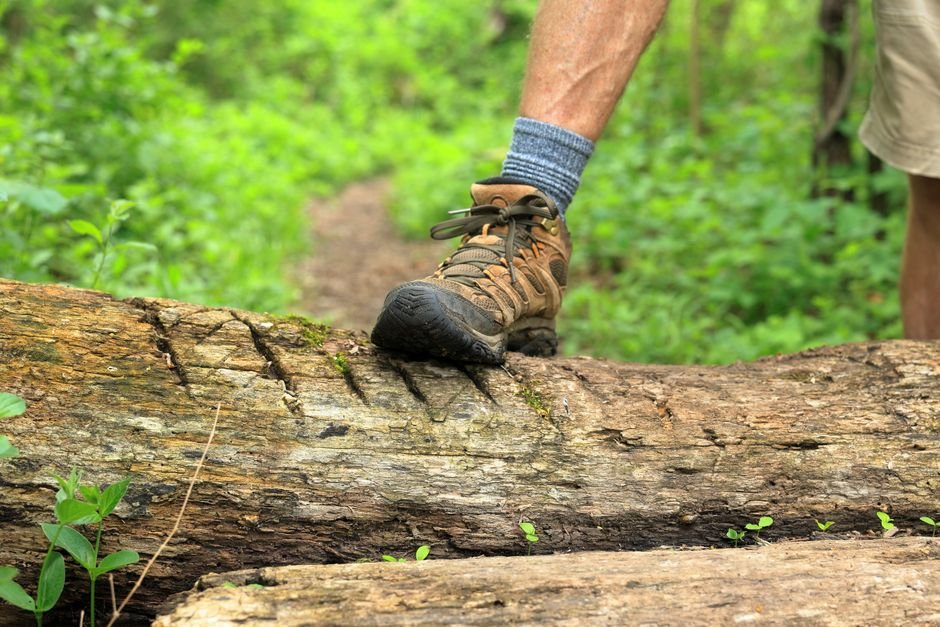
Troubleshooting your hiking boots is crucial as about 70% of hikers face discomfort from improper fit, leading to blisters and heel slippage. By making a few key adjustments, you can greatly improve your comfort and hiking experience. Here are five essential techniques to effectively address and prevent common footwear issues while on the trail.
Don’t let boot problems mar your adventures; let’s address these common concerns effectively.

1. Ensure a Proper Fit
Boot fit is critical for a successful hike. Boots that are too loose can cause blisters, while overly tight boots lead to pain. A proper fit means your heel should be snug without slipping and your toes should have enough space to move, especially during descents. Consider not only the size but also the arch support and width that suit your feet.
Always wear the same type of socks you’ll use on the trail when trying on boots, as this affects the fit and feel significantly.
2. Minimize Heel Slippage with Smart Lacing
Heel slippage can lead to discomfort and blisters. To combat this, adopt the “heel-lock” lacing technique. Lace through the top two eyelets in opposite directions before tying them. This method locks your heel in place, reducing movement that can cause irritation.
It’s crucial to address heel slippage; neglecting it can lead to persistent foot issues. Adjust your lacing before you head out.
3. Regularly Maintain Waterproofing
Many boots are marketed as waterproof, but even the best footwear can succumb to moisture without proper maintenance. Treat your boots with a high-quality waterproof treatment regularly, ideally every few months or after significant use. This preserves the water-repelling qualities of your boots.
By ensuring your boots are treated, you keep your feet dry and comfortable, which is vital during wet conditions.

4. Choose the Right Socks for Hiking
Your choice of socks can dramatically affect boot performance. Opt for hiking socks made from wool or synthetic materials, designed to wick moisture away from your skin. Avoid cotton, as it retains moisture and can lead to blisters.
Investing in the right socks helps maintain your foot health and overall comfort during treks.
5. Break In New Boots Gradually
Skimping on the break-in process can result in painful hikes. Instead of launching into long hikes with new boots, wear them for short walks initially. This gradual approach allows the material to soften and conform to your feet, significantly reducing the risk of blisters.
Be patient; breaking in boots can take a few days to weeks, but it pays off in comfort on the trail.
Key Strategies for Troubleshooting Hiking Boots
Focus on assessing fit, employing effective lacing techniques, maintaining waterproofing, selecting appropriate socks, and breaking in your boots properly. These strategies are vital for improving your hiking experience. With proactive measures, you can sidestep common pitfalls and fully enjoy your outdoor adventures.
A little investment in proper maintenance and well-informed choices greatly enhances your comfort, allowing you to concentrate on enjoying your hike.
We cover edc backpack in more depth separately.
Worth reading alongside this: adventures for outdoor lovers.
Frequently Asked Questions
How do I stop my hiking boots from hurting?
To stop your hiking boots from hurting, ensure you have the right size and fit by trying them on with your preferred hiking socks. You can also consider adding insoles for extra comfort or breaking them in gradually before long hikes.
Why do my hiking boots give me blisters?
Hiking boots can cause blisters due to friction, improper fit, or moisture buildup. Ensure your boots fit well, wear moisture-wicking socks, and consider using blister prevention products such as pads or tape.
What can I do if my hiking boots are too tight?
If your hiking boots are too tight, you can try using a boot stretcher or taking them to a professional cobbler who can stretch them for you. Additionally, wearing thinner socks or trying a different lacing technique may help relieve pressure.
Why do my hiking boots make my feet wet?
Hiking boots can make your feet wet if they are not waterproof or if water seeps in through the seams or openings. To prevent this, look for boots with waterproof materials and consider using gaiters to keep moisture out.
How to prevent heel slipping in hiking boots?
To prevent heel slipping in hiking boots, ensure you properly lace your boots, tightening the areas around your ankle and instep. You can also try using lace-lock techniques or consider boots with a more secure heel cup for better fit.
For more tips on troubleshooting your hiking boots, check out troubleshooting your hiking boots.



Leave a Reply