Packing for a camping trip can make or break your experience, and forgetting key items can cost you both comfort and enjoyment. To avoid the mistake of overpacking or leaving essential gear behind, here are the critical items every camper should consider before heading into the wilderness.
I’ve always found that tackling a packing list based on categories helps avoid the classic mistake of overloading your gear. By focusing on what you truly need, you can enjoy your time outdoors without feeling weighed down by unnecessary items. Let’s break it down.

Essential Camping Gear to Bring
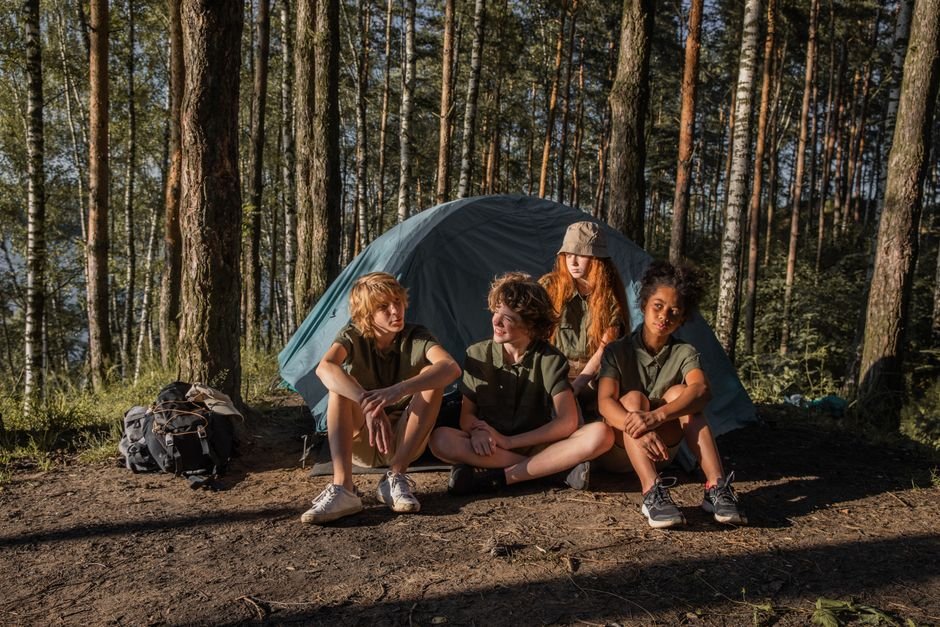
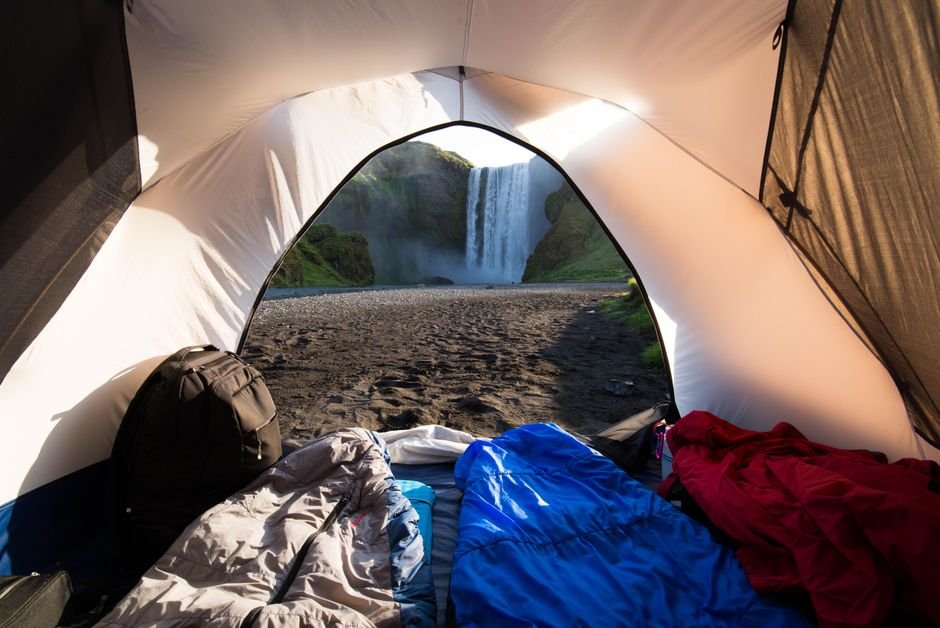
First on my list is a reliable tent. This is the heart of your camping setup and needs to withstand wind, rain, and anything else the outdoors might throw at you. Look for models that are lightweight yet durable, ideally with a waterproof rain fly and adequate ventilation.
A good tent should accommodate your group comfortably, so if you plan to camp with others, make sure it has enough space. Aim for at least 30 square feet per person; more is always better to avoid feeling cramped.
Next, invest in a quality sleeping bag. The right bag will keep you warm and cozy while you sleep, so look for one rated for the temperatures you’ll encounter. I prefer bags that are compact and lightweight. A good rule of thumb is to choose a sleeping bag with a temperature rating at least 10 degrees lower than the forecasted low for your camping trip.
This ensures you’ll stay warm even in unexpected weather shifts.
A portable stove is another non-negotiable item. Cooking over a campfire can be fun, but it’s not always practical or possible. I swear by a dual-fuel stove that runs on propane or white gas, giving you flexibility and convenience. A basic setup can cost around $50-$100 and will make meal prep infinitely easier.
Plus, you can save on meals by cooking your own food instead of relying on pre-packaged options.
Clothing and Footwear for Comfort
Comfortable clothing is crucial for a successful camping trip. I generally pack moisture-wicking shirts, lightweight pants, and layers for both warmth and versatility. A quality waterproof jacket is essential because conditions can change rapidly. Aim for clothes made from quick-drying materials. Cotton? It’s a no-go. You’ll end up wet and miserable, while synthetic fibers keep you dry.
Hiking boots cannot be overlooked. Comfortable, well-fitting boots will protect your feet and provide stability on varied terrain. Look for boots that are both waterproof and breathable. A solid pair should also have good traction to help you navigate rocky paths and muddy trails safely.
Cooking and Dining Must-Haves
Let’s not forget about the enjoyment of cooking while camping. Along with your portable stove, carry lightweight cookware that nests well together. I recommend a simple pot and pan set that can handle everything from boiling water to frying up fresh fish.
Don’t forget utensils! A multi-tool with a knife, fork, and spoon is practical and space-saving. A compact cooler is also worth considering to keep perishables fresh, plus pack some reusable containers for leftovers. Your stomach will thank you after a long day of hiking.
Navigational Tools and Safety Gear
Your safety should always be a priority. A map and compass are crucial even if you plan to use a phone for navigation because battery life isn’t always reliable in the wilderness. Also, consider a reliable flashlight or headlamp with extra batteries. I recommend LED models for their longevity and brightness.
Finally, a first-aid kit is an absolute must. Make sure it includes band-aids, antiseptic wipes, pain relievers, and any personal medications. Even minor injuries can escalate if not treated early, so having the essentials on hand is always smart.
Hidden Essentials to Enhance Your Experience
Beyond the obvious, there are a few hidden essentials that often get overlooked. For instance, a lightweight travel hammock can be a game changer for lounging around during downtime. It’s compact and a great way to enjoy your campsite without feeling stuck in a tent.
Remember to pack trash bags to leave your campsite clean. Many people overlook this, which can lead to issues with wildlife and contributes to environmental degradation.
Common Mistakes to Avoid When Packing
One of the most common mistakes I see is overpacking food. It’s easy to get caught up in the idea of having enough snacks and meals, but you truly only need a few basics. Focus on easy-to-prepare foods, like freeze-dried meals or pasta, which require minimal cooking and cleanup. This will free up space for other essentials.
When packing your gear, avoid bulky items that you won’t use. Consider your actual plans, and pack accordingly. Extra gear can weigh you down and detract from the experience of being outdoors. If you can leave it at home, do it!
A Smart Packing Strategy
To streamline your packing, I suggest laying everything out before placing items in your bag. This process allows you to visualize what you’re bringing and assess whether each item is truly necessary. An organized pack will help find items quickly and reduce stress at the campground.
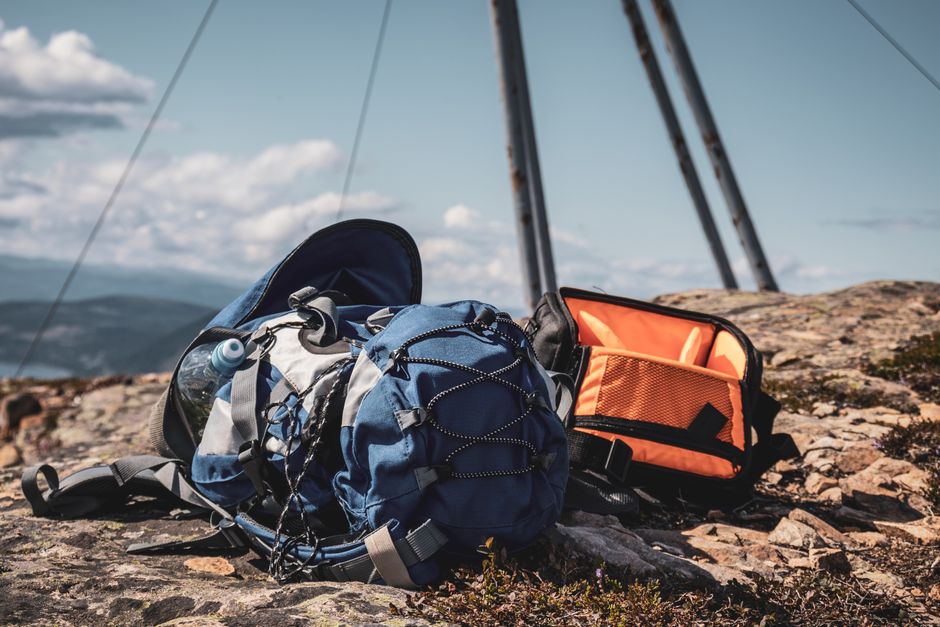
Consider using compression bags for your clothes and sleeping gear. These bags help save space in your pack and keep your items dry. If you still need to find room, look into layering items, packing the smaller things around larger items, or utilizing your pack’s space more creatively.
Cultural Practices for Responsible Camping
Engaging with camping culture responsibly is about leaving no trace. Following the Leave No Trace principles ensures your impact on the environment is minimal. Familiarize yourself with local wildlife regulations and make sure you’re respecting all campground rules. Being a responsible camper enhances not only your experience but also supports the preservation of these beautiful spaces for others.
Final Packing Insight
A reliable tent and sleeping bag are essential for most campers, while families may prefer tents with extra space. For those who prioritize cooking, consider compact camping stoves, while minimalist campers can get by with a lightweight backpack and basic food supplies. Focus on what to pack for camping that suits your specific needs for a successful trip.
We cover hammock for camping in more depth separately.
We cover hammock for camping in more depth separately.
Frequently Asked Questions
What should you not forget when camping?
You should not forget essential items like a first aid kit, appropriate clothing for the weather, and cooking supplies. Also, ensure you have a reliable source of light, such as a flashlight or lantern.
How do you pack lightly for camping?
To pack lightly for camping, focus on multipurpose items and prioritize the essentials. Use lightweight gear, and make a list to avoid unnecessary items that can weigh you down.
Why is it important to have a camping checklist?
Having a camping checklist is important because it helps ensure that you pack all necessary items, reducing the chances of forgetting essentials. It also aids in staying organized and streamlining your packing process.
Is it better to pack food or buy locally?
Whether to pack food or buy locally depends on your campsite's accessibility and the availability of grocery stores. If you're camping in a remote area, packing food may be more practical, while more urban locations may offer fresh local options.
Can you camp without a tent?
Yes, you can camp without a tent by using alternatives like hammocks, tarps, or even simply sleeping under the stars. However, ensure you have appropriate gear for protection against the elements and insects.
Leave a Reply