
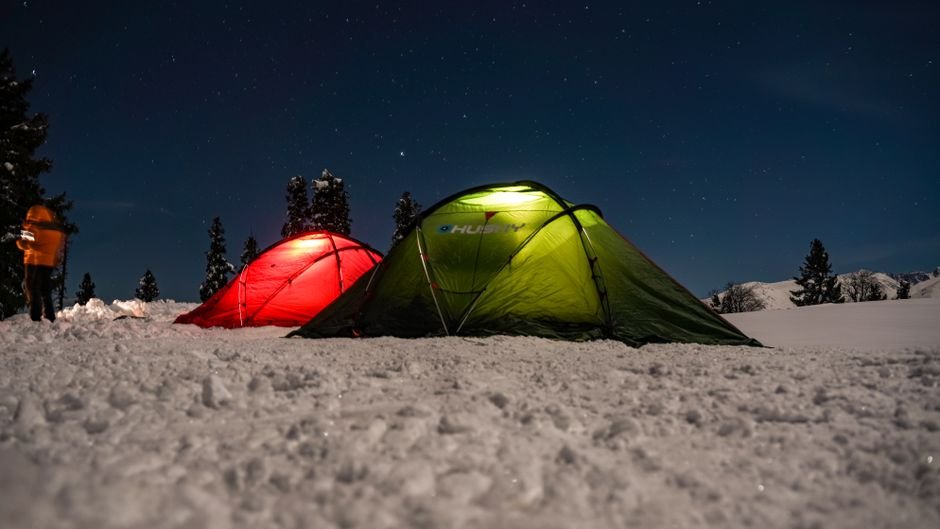
To improve tent ventilation, ensure proper airflow by using tents with multiple vents or zippers, allowing cross-breezes to occur; even a simple side vent can increase air circulation by up to 50%. This not only reduces humidity but also prevents condensation that can damage your camping gear, enhancing overall comfort during your outdoor adventures.
After spending numerous nights under canvas, I’ve identified essential techniques that enhance how breathable your tent can feel, maximizing comfort during your outdoor adventures. Let’s delve into the best methods for achieving superior tent ventilation.
Choose Tents with Ample Mesh Panels
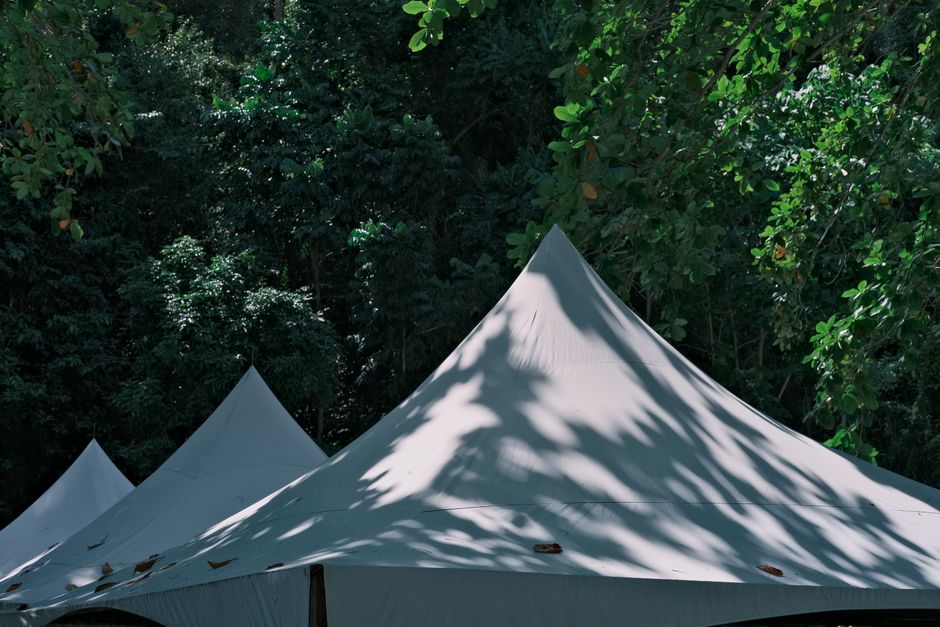
One of the simplest ways to enhance ventilation is to select a tent with sufficient mesh panels. Prioritize models that feature mesh on both the roof and sides; this design allows better air circulation and facilitates the escape of hot air while keeping insects out.
Tents with a mesh surface area of at least 50% can significantly reduce stuffiness. For warmer climates, tents designed for cross-flow ventilation help maintain a more stable temperature inside, drastically improving comfort during summer trips.
Utilize Roof Vents for Maximum Airflow
Roof vents are another vital feature that expels warm, moist air. Many tents include adjustable roof vents that you can open or close depending on the weather. Keeping these vents open during warm conditions reduces humidity and condensation inside your tent.
However, not all tents are equipped with adequate ventilation options. Some lower-priced models may lack this feature entirely. For variable climates, it’s essential to select tents that focus on upper vent placements, as this keeps moisture at bay.
Add a Portable Tent Fan
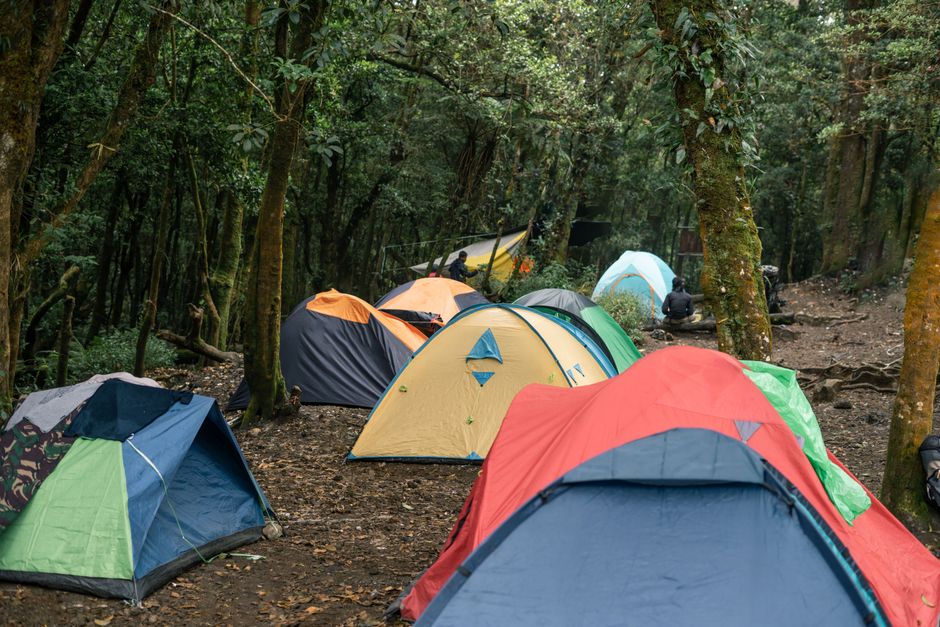
Integrating a portable tent fan can significantly improve airflow. Battery-operated fans come in various sizes and can be positioned strategically to circulate air. Directing the fan towards an exit point, such as a door or mesh opening, allows hot air to escape and cool air to flow in.
Ensure your fan has a battery life of at least 12 hours on a single charge, which typically suffices for a night of camping. This becomes especially helpful at night, allowing you to maintain a comfortable atmosphere without relying solely on natural ventilation.
Prepare the Ground for Better Ventilation
The ground beneath your tent affects ventilation levels. If you’re camping in areas prone to dew, using a footprint can minimize moisture rising from the ground. Opt for elevated surfaces instead of grass or dirt to reduce humidity inside your tent.
Additionally, pick locations that naturally encourage airflow. Avoid sites that trap air or moisture, such as riverbanks or dense vegetation, which can hinder ventilation.
Control Indoor Humidity
Managing humidity is crucial for comfort. Avoid introducing wet items into your tent, as they can elevate moisture levels. It’s wise to cook outside whenever possible, preventing steam from affecting the tent environment.
Consider using moisture-absorbing materials like silica gel packets or charcoal bags to curb excess humidity. Although these steps may seem small, collectively they contribute to a more comfortable indoor atmosphere.
Avoid These Common Ventilation Mistakes
To improve ventilation, steer clear of common pitfalls. For instance, keeping your tent completely zipped stifles airflow. Get into the habit of leaving doors slightly open or unzipping vents whenever conditions allow. Neglecting to do this may result in moisture pooling, particularly at night.
Be mindful of your camping location. Avoid pitching your tent in low areas where cool air accumulates. Instead, aim for slightly elevated ground to prevent moisture from settling as heat rises.
Final Verdict: Optimize Your Camping Experience
Effectively improving tent ventilation requires prioritizing tents with ample mesh panels and roof vents, utilizing portable fans, preparing the ground properly, and managing indoor humidity. By implementing these strategies, you can significantly enhance your comfort and enjoyment on your next camping adventure.
There is more on person tent elsewhere on the site.
Frequently Asked Questions
How can I improve ventilation in my tent?
You can improve ventilation in your tent by utilizing the mesh windows and vents that most tents come with. Additionally, setting up the tent in a way that allows for airflow, such as facing openings towards the breeze, can help reduce humidity inside.
Why is my tent condensation so bad?
Tent condensation is often caused by a lack of airflow combined with moisture from breath, sweat, or damp gear inside the tent. Warm air inside the tent can hit cooler surfaces, causing water vapor to condense on those surfaces.
What are the best ways to ventilate a tent?
The best ways to ventilate a tent include keeping windows and doors partially open, using vents if available, and utilizing a cross-ventilation approach by placing the tent in a breezy spot. Additionally, avoiding cooking or storing wet items inside can help reduce moisture buildup.
Can tents be properly ventilated in winter?
Yes, tents can be properly ventilated in winter by opening vents and windows slightly to allow moist air to escape while still retaining warmth. It’s also essential to manage moisture from breath and gear, as accumulating humidity can lead to condensation.
Is a second tent door useful for ventilation?
Yes, a second tent door can be very useful for ventilation, as it allows for improved airflow and helps create cross-ventilation. This is particularly beneficial in reducing condensation and maintaining a comfortable temperature inside the tent.



Leave a Reply