
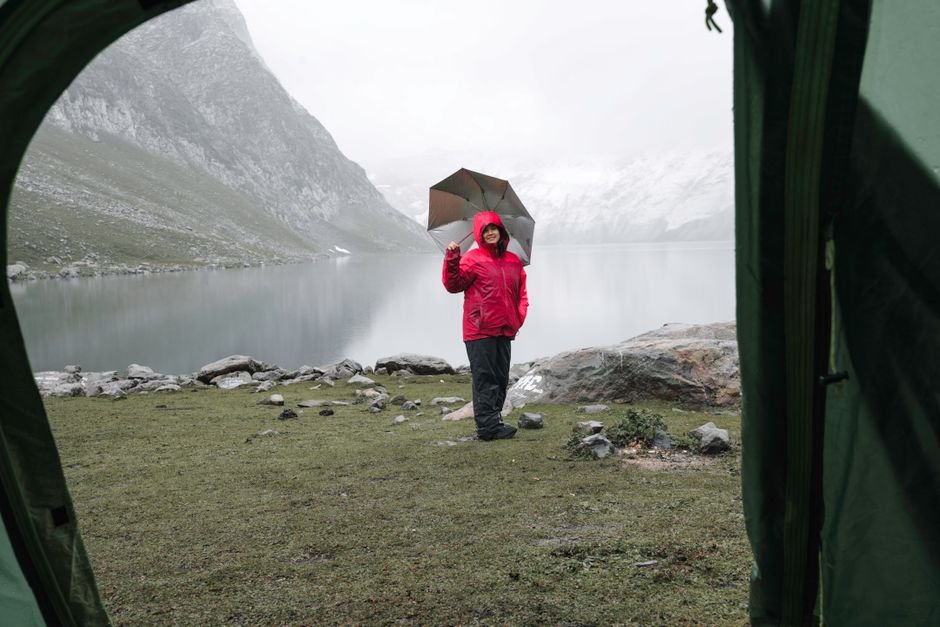
Ever woken up to a soaked sleeping bag after a night of rain? It’s infuriating, and one of the most frustrating issues you can face while camping is a leaking tent. When it rains, your tent should ideally keep you and your gear dry. If not, you need to understand why your tent is leaking and what you can do to fix it.
There are a couple of common reasons why your tent might leak when it rains. Bad weather can quickly ruin an outdoor experience, leaving you with damp gear and an uncomfortable night. Let’s break down these causes and what you can do to prevent your tent from becoming a waterlogged mess.
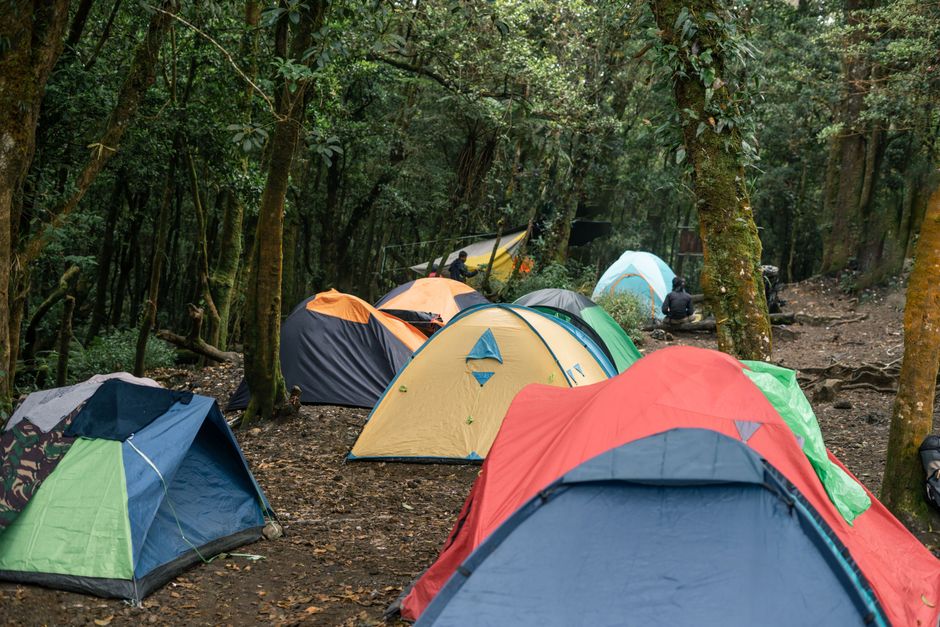
Why Tents Leak When It Rains: Common Causes
The first step in tackling this issue is knowing what to look for. Here are the most frequent culprits behind tent leaks:
1. **Improper Setup**: This can be one of the biggest mistakes you can make. If your tent isn’t taut and properly staked down, water can pool on the fabric instead of rolling off. When I see tents sagging in the rain, I want to scream. Ensure you anchor your tent well and adjust the rainfly correctly.
2. **Damaged or Unsealed Seams**: Many tents come with factory-sealed seams, but over time and with exposure to the elements, these seals can deteriorate. Regular maintenance makes all the difference. I always highlight the importance of checking your seams before every trip. If they look worn or start to fray, it’s time to re-seal them with seam sealant. It’s a minor task that could save you the hassle of waking up to a wet tent.
3. **Worn-Out Fabric**: Tent materials can lose their waterproofing effectiveness over time due to UV exposure and general wear. If your tent is older or made from low-quality fabric, it can easily absorb water. Buying a tent made from durable materials like ripstop nylon can dramatically increase your tent’s performance in wet conditions.
4. **Rainfly Issues**: The rainfly is your first line of defense against water intrusion. If it doesn’t fit well or has damage, it won’t protect you effectively. Always double-check that your rainfly is correctly positioned and securely fastened.
5. **Groundwater Pooling**: If you set up your tent in a low-lying area or anywhere that can accumulate water runoff, you are inviting disaster. Try to choose a camping spot that is elevated or construct a small drainage trench around your tent.
Effective Waterproofing Techniques
Now that you understand the causes of leaks, you may wonder what effective measures you can take to prevent this from happening again. Luckily, I’ve got some strategies that have worked well for me.
1. **Tent Seam Sealing**: As I mentioned earlier, re-sealing your seams is crucial. Use a seam-sealing tape or liquid sealant on any areas that show signs of wear. Ideally, do this before your first trip or once a season to ensure the best protection against water. It’s a small investment that pays off.
2. **Apply Waterproofing Spray**: If your tent fabric feels damp, consider using a waterproofing spray designed for tents. I’ve had great success treating my tent with a high-quality spray, which helped preserve its waterproofing capabilities. This is especially essential if your tent is older, as it can rejuvenate the fabric’s water-resistant properties.
3. **Choose the Right Location**: Always select your campsite wisely. Look for a flat, elevated area instead of a dip where water can pool. If you know rain is in the forecast, anticipate run-off paths and position your tent accordingly.
4. **Check the Rainfly**: Ensure that your rainfly is intact and effectively drapes over the entire tent. If it’s torn or has any holes, patch those areas or consider replacing the rainfly altogether.
5. **Regular Maintenance**: Consistent care of your camping gear greatly enhances its lifespan. Regular cleaning, checking for damages, and applying preventative measures are vital to keeping your tent in optimal condition.

Final Verdict: Stay Dry, Stay Smart
Water leakage in your tent can completely ruin a camping experience, yet with the right knowledge and preparation, you can avoid a soaked sleeping bag. Proper setup, seam sealing, regular maintenance, and effective waterproofing techniques are your best strategies. Taking these steps not only keeps you dry but also boosts your overall camping experience.
If you’re also looking to keep your hydration up while camping, I have a detailed guide on the best hydration packs that you can check out here: Best Hydration Packs for Riding, Running, & Hiking.
Lastly, ensure your camera gear is protected during your trips as well. Check out my take on the best action cameras: Best Action Cameras (Hands-On Style Guide).
By preparing for rain and understanding how to maintain your gear, you can camp confidently and enjoy the great outdoors no matter the forecast.
Related reading: person tent.
Frequently Asked Questions
How can I stop my tent from leaking?
Why does my tent leak when it rains? This issue often arises due to unsealed seams, which can allow water to penetrate; ensuring all seams are treated with seam sealer is essential. Additionally, inspect the tent fabric for any damages or holes, as even small imperfections can lead to water leaks, so a prompt repair using a patch kit is crucial.
What causes tents to leak in the rain?
Tents can leak in the rain due to poor quality materials, damaged seams, or inadequate waterproofing. Sometimes, water can also enter through zippers or unsealed areas, leading to leaks.
Is it normal for tents to leak during rain?
While some minor leakage can occur with older or poorly maintained tents, it is not normal for a well-maintained, quality tent to leak during rain. Proper care and maintenance can help prevent leaks.
How do I waterproof my tent effectively?
To waterproof your tent effectively, apply a waterproofing agent or spray specifically designed for tents to the outer fabric. Additionally, make sure to treat the seams with seam sealant and reapply these products regularly as needed.
Can a rainfly prevent tent leaks?
Yes, a rainfly can help prevent tent leaks by providing an additional layer of protection against rain. It acts as a barrier, directing water away from the tent body and reducing the chances of water seeping through.



Leave a Reply