

What is adventure travel insurance? It is an essential coverage that protects travelers engaging in high-risk activities such as rock climbing, skiing, or scuba diving, with policies typically costing between $50 and $300 for a week. In contrast, a single emergency evacuation can soar to $10,000, making this insurance a vital safeguard for any adventurous journey.
Understanding the importance and benefits of adventure travel insurance is crucial before you embark on your next expedition.
This specialized insurance protects against risks associated with activities typically excluded from standard plans. Coverage can include emergency medical expenses, trip cancellation, lost baggage, and emergency evacuation, ensuring that you are financially safeguarded against unexpected mishaps, even minor ones, that could lead to significant costs without adequate protection.

Common Misconceptions About Coverage
A common misconception is that standard travel insurance covers every possible situation, but that’s often not the case. If you’re hiking in a remote location and suffer an injury, a standard travel plan might not cover the medical expenses if the hike is deemed “extreme” by the insurer.
Always scrutinize the policy’s terms and conditions, as key exclusions are often buried within the fine print. Familiarize yourself with any limitations to avoid surprises when it’s time to file a claim.
Typical Coverage of Adventure Travel Insurance
Adventure travel insurance primarily protects against injuries, evacuation needs, and lost gear. Here’s what you can typically expect:
- Emergency Medical Coverage: Covers medical expenses resulting from injuries during your activities.
- Evacuation: Ensures coverage for getting you back to safety in emergencies.
- Trip Cancellation: Reimburses non-refundable expenses if you can’t travel due to injury before your trip.
- Gear Coverage: Protects against loss, theft, or damage of expensive gear.
Check the specifics of your plan, as coverage levels can differ significantly between providers.
Cost Considerations: What to Expect
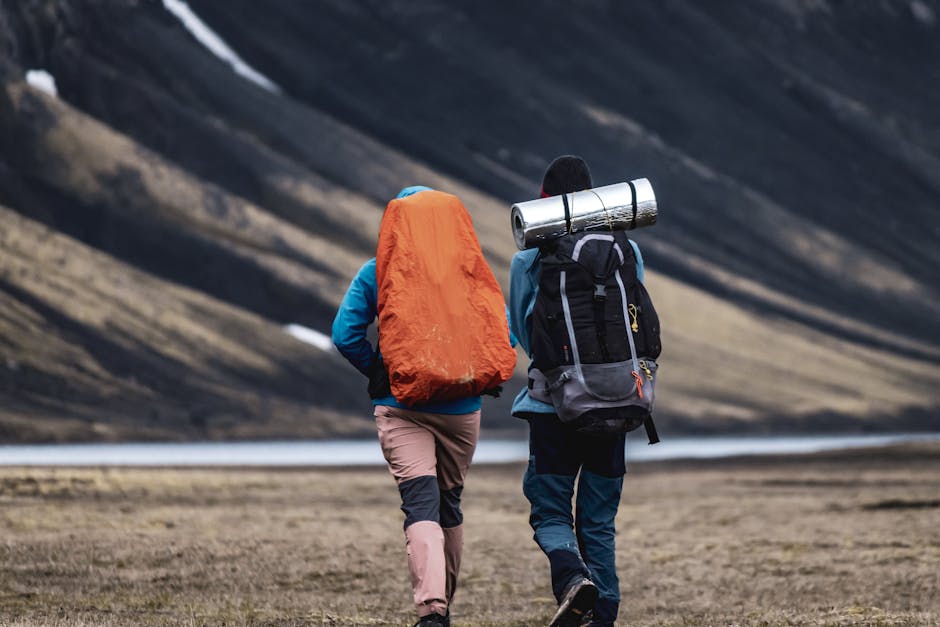
The cost of adventure travel insurance can be a concern for many, but the expense is often minor compared to potential financial losses. A policy typically costs between $50 and $300 for a week-long trip, depending on your activities. For comparison, one emergency evacuation from a remote hiking area could exceed $10,000. Investing in insurance is a sensible decision when assessing the potential risks versus costs.
Choosing the Right Policy: Key Factors to Consider
When selecting a travel policy, it’s crucial to thoroughly compare options. Look for providers that specialize in adventure travel insurance, as they understand the specific needs of adventurous travelers. Examine factors such as:
- Types of activities covered
- Exclusions and limitations
- Claims process
- Customer service ratings
Avoid choosing based solely on price. Instead, prioritize plans that offer comprehensive coverage appropriate for your planned activities. If you’re skiing or rock climbing, ensure that your policy explicitly covers those sports. Consider policies that allow for add-ons in case you opt for additional adventurous pursuits during your trip.
A Common Mistake to Avoid: Assuming Existing Coverage
A significant error is assuming that regular health insurance will cover you during risky activities abroad. Often, standard health plans won’t cover injuries from activities classified as dangerous. While saving money by skipping insurance may seem appealing, it can lead to financial headaches later. The peace of mind that comes from knowing you’re protected is priceless.
Final Verdict: Essential for Active Adventurers
Adventure travel insurance is a vital component of trip preparation. The costs associated with unexpected injuries, trip cancellations, or gear loss can far exceed the cost of a comprehensive policy. For anyone engaging in active pursuits, investing in this insurance is essential. Prioritize proper coverage so you can fully enjoy your adventures without the looming anxiety of unforeseen complications.
If you’re exploring trails, slopes, or waterways, ensure that you’re adequately covered. Focus on the experience instead of the “what ifs.” For further preparation, check out my guide on adventure travel packing tips and find essential gear recommendations in my article on essential adventure travel gear. Additionally, consider exploring what is adventure travel for more insights on your journey.
Frequently Asked Questions
What does adventure travel insurance cover?
Adventure travel insurance typically covers a range of activities including hiking, skiing, scuba diving, and other high-risk sports. Additionally, it may provide coverage for trip cancellations, medical emergencies, and evacuation due to unforeseen circumstances.
Why is adventure travel insurance important?
Adventure travel insurance is important because it protects travelers from financial loss due to unexpected events such as injuries or trip cancellations that can occur during high-risk activities. Without it, the costs associated with medical care or lost deposits can be significant.
How is adventure travel insurance different from regular insurance?
Adventure travel insurance is specifically designed to cover the risks associated with adventurous activities that are often excluded from regular travel insurance policies. It typically includes specialized coverage for extreme sports and adventurous excursions.
Can you get adventure travel insurance for sports?
Yes, you can get adventure travel insurance specifically designed to cover sports activities, including extreme sports like bungee jumping, mountain climbing, and scuba diving. It’s important to ensure that the policy explicitly states coverage for the specific sports you plan to engage in.
Is adventure travel insurance worth it?
Yes, adventure travel insurance is generally worth it for those engaging in high-risk activities, as it provides financial protection and peace of mind. The potential costs of medical emergencies or trip interruptions can far exceed the cost of the insurance itself.




Leave a Reply