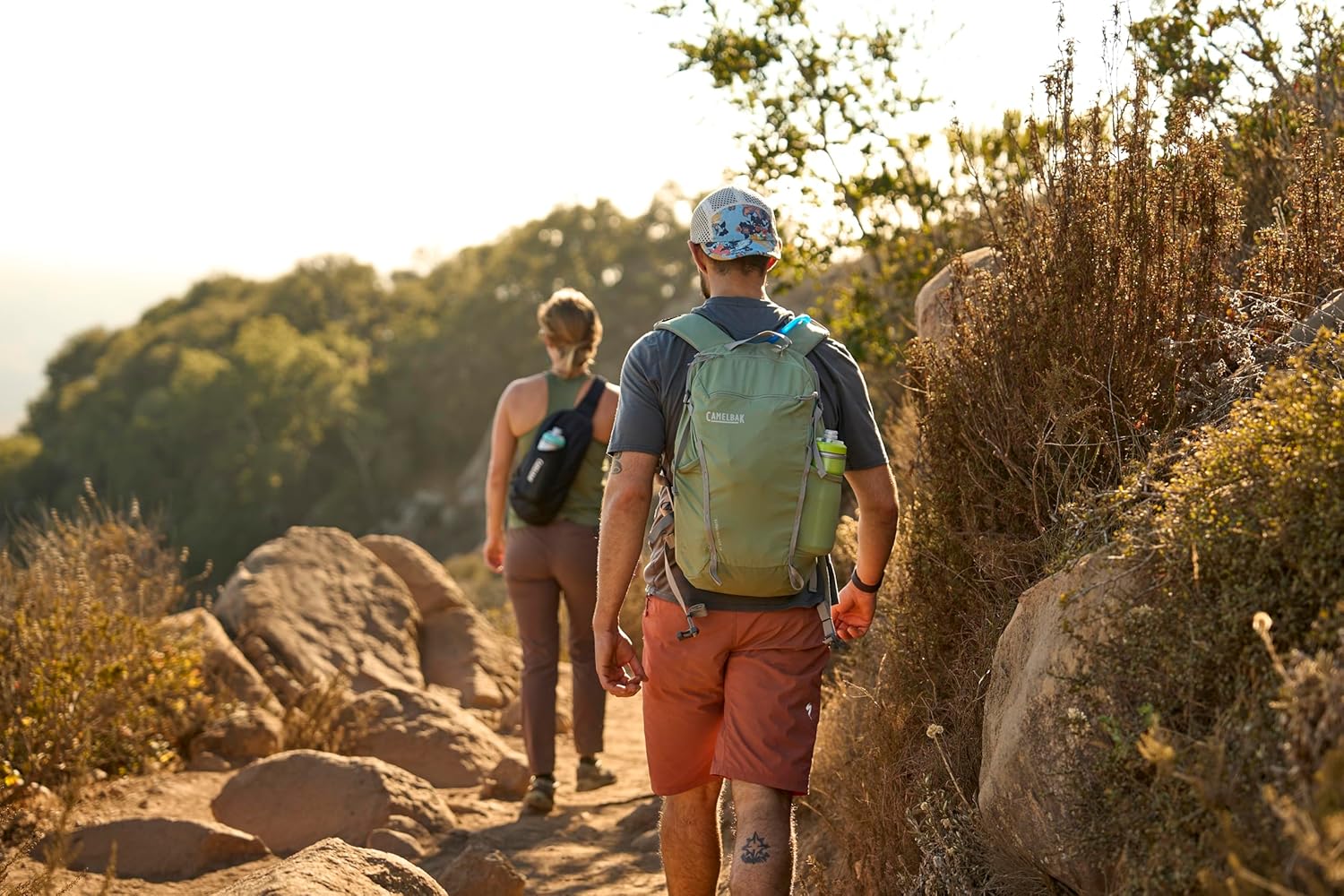
I’ve hauled a lot of backpacks over the years, but I wanted to re-test some of the most popular picks the way real people actually use them: loaded up, adjusted on-trail, stuffed with awkward gear, and worn long enough to find the little things that either make your day… or slowly annoy you into regretting the purchase.
So I took these five packs out on a mix of hikes—short hot day hikes, a couple longer weekend-style miles with heavier loads, and some stop-and-go terrain where straps and ventilation usually show their true colors. I also did the “living room tests” that matter (packing, zippers, pocket access, fit adjustments, and how they carry when you’re bending, scrambling, or constantly grabbing a layer).
Quick Buying Questions (Ask Yourself These First)
Before you pick a backpack, these are the questions that actually prevent buyer’s remorse:
- What kind of hikes are you doing most? Short day hikes need quick-access pockets and comfort. Overnight/multi-day needs a real frame and stable carry under weight.
- How much weight do you realistically carry? If you regularly carry 20–35+ lbs, you want a framed pack with a supportive hipbelt (not just padded shoulder straps).
- Do you run hot? Back ventilation matters way more than people think—especially on climbs.
- Do you prefer panel access or top loading? Panel loaders are easier to pack. Top loaders can be more weather-friendly and sometimes more durable.
- Fit matters more than features. A “better” pack that doesn’t fit your torso/hips will feel worse than a simpler pack that fits perfectly.
- Do you want hydration built-in? If you hate wrestling a bladder into a tight sleeve, a hydration-first pack can make life easier.
Backpack Types (What They’re Best For)
| Type | Typical Capacity | Best For | What to Watch For |
|---|---|---|---|
| Hydration daypack | 12–20L | Hot day hikes, fast hikes, minimal gear | Less space for layers/food; fit can be “one-size-ish” |
| Technical day hiking pack | 18–35L | Regular day hikes, peak-bagging, carrying layers + food | Pocket layout and how stable it feels while moving |
| Weekend/overnight pack | 40–55L | 1–2 nights, lighter kits | Needs a real hipbelt; fit becomes more important |
| Multi-day backpacking pack | 60–75L | 2–5+ days, heavier kits, colder trips | Weight, frame comfort, and adjustability are everything |
| Budget internal-frame pack | 55–70L | New hikers, occasional trips, value-focused | Heavier materials, less refined suspension, fewer “nice” details |
Our Top Picks by Category
| Category | Top Pick |
|---|---|
| Best overall for multi-day comfort | Osprey Atmos AG 65L Men’s Backpacking Backpack |
| Best women’s day-hike fit and stability | Osprey Tempest Women’s Backpack (Extended Fit) |
| Best hydration-first daypack | CamelBak Cloud Walker 18 Hydration Backpack |
| Best value for overnight and multi-day | TETON Sports Explorer 65L Internal Frame Backpack |
| Best rugged, no-nonsense load hauler | The North Face Terra 65 Backpack |
Hands-On Reviews
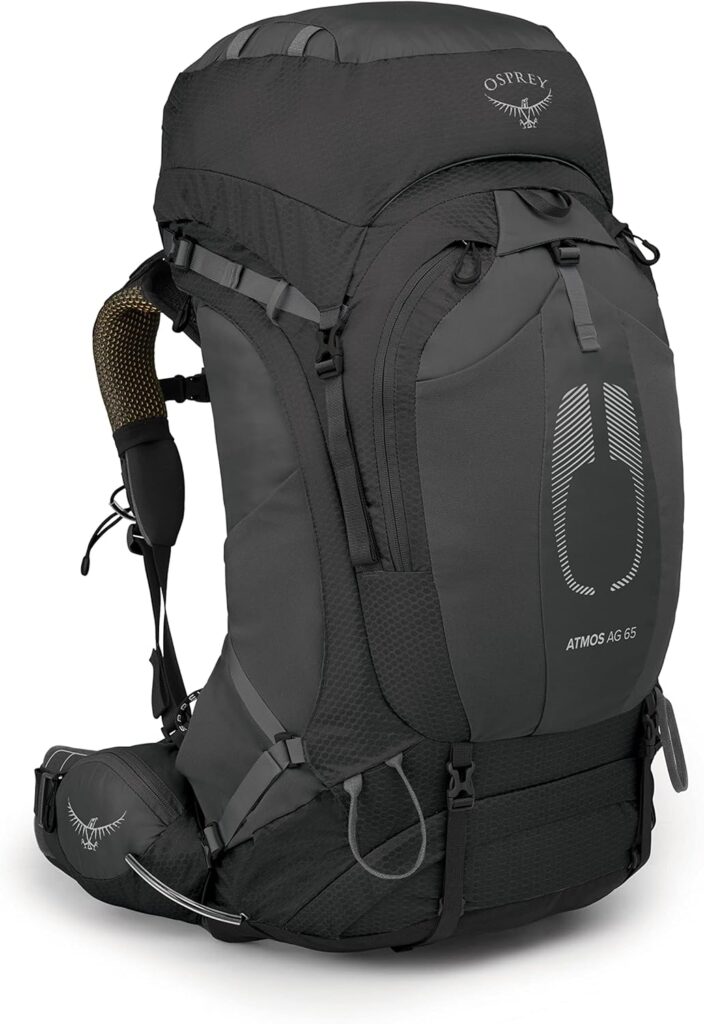
Osprey Atmos AG 65L Men’s Backpacking Backpack
Best for
Multi-day backpacking when comfort matters more than shaving every ounce.
Why We Like It
This is one of those packs that makes you go, “Oh… so that’s what a dialed suspension feels like.” The carry is the star here. When I loaded it heavier, the pack stayed stable and didn’t punish my shoulders the way mediocre frames do. Ventilation is also legitimately noticeable—especially on slow climbs where sweat usually pools under the backpanel.
Pocket layout is practical, and the whole thing feels like it was designed by people who actually backpack (not just people who sketch packs on a computer).
Pros
- Excellent comfort under real weight (hipbelt + suspension do the heavy lifting)
- Ventilation is strong for a backpacking pack
- Feels stable and “locked in” without restricting movement
- Good organization for multi-day packing
Cons
- Not a lightweight pack—comfort comes with extra material
- Can feel like “too much pack” for minimalist overnights
- Price is premium compared to budget options
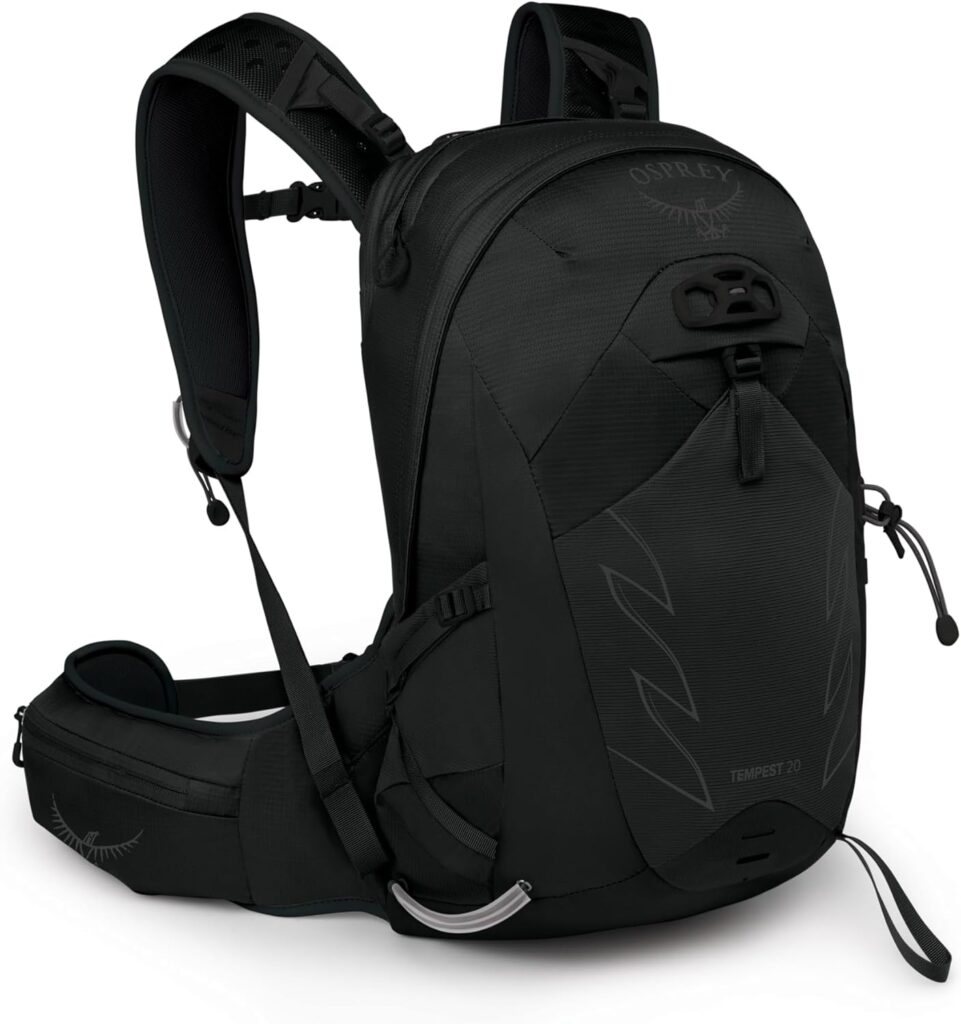
Osprey Tempest Women’s Backpack
Best for
Day hikes where you want a close-to-body fit that stays stable on uneven terrain.
Why We Like It
This pack feels made for movement. When you’re stepping over rocks or moving fast, you don’t want the bag swaying and tugging you off balance. The Tempest line is good at riding close and staying put, and the “Extended Fit” angle is a big deal for comfort if standard sizing tends to feel restrictive.
It’s also a genuinely useful size for day hikes: big enough for layers, food, and essentials, without encouraging you to overpack.
Pros
- Very stable carry for technical trails and quick movement
- Comfortable harness/hipbelt feel for day-hike loads
- Practical pocketing for day essentials
- Great choice if standard fit ranges don’t feel right
Cons
- Not meant for heavy multi-day loads
- If you carry bulky gear, capacity can feel limiting
- Some hikers prefer more airflow than close-to-body packs provide
CamelBak Cloud Walker 18 Hydration Backpack
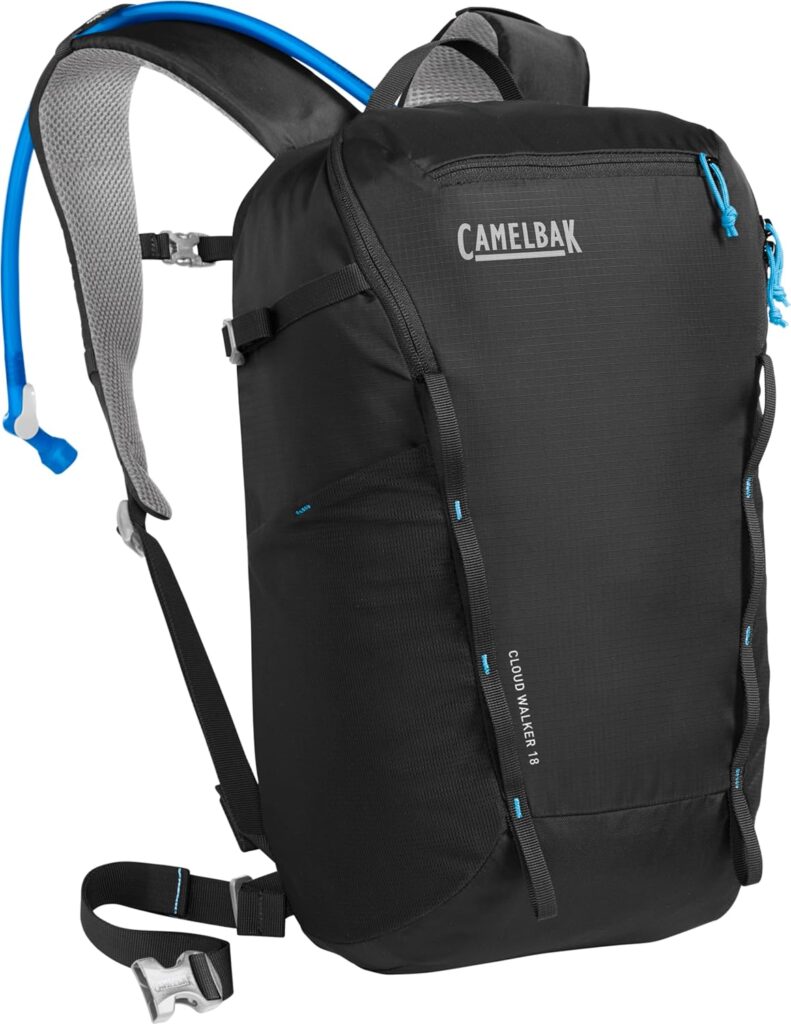
Best for
Hot day hikes and people who prioritize hydration convenience.
Why We Like It
If you’re the type who constantly forgets to drink water until you’re already tired, a hydration-first pack changes the game. This one is built around that idea: it’s comfortable, simple, and the included reservoir makes it “ready to hike” out of the box.
In real use, this is the pack I’d grab for warm-weather hikes where I want to stay light and keep water access effortless. It’s not trying to be a do-it-all backpacking pack—it’s a daypack that’s honest about what it is.
Pros
- Hydration setup is the main event (great for heat and long day hikes)
- Comfortable for light-to-moderate loads
- Good basic organization without feeling over-designed
- Solid choice for beginners who want something easy
Cons
- Limited space compared to larger day hiking packs
- Not ideal if you prefer water bottles over bladders
- Not built for heavy loads or overnights
The North Face Terra 65 Backpack
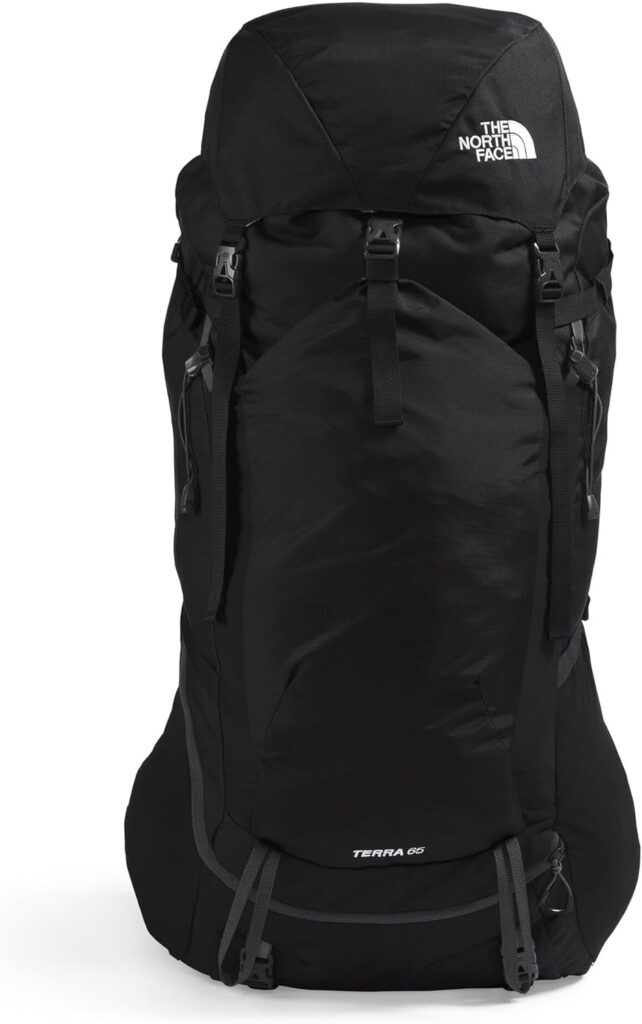
Best for
Rugged multi-day hikes when you want a straightforward, durable load hauler.
Why We Like It
This is a “bring it and use it” kind of pack. It’s not trying to win an ultralight contest; it’s trying to carry your stuff reliably. The top-loading style works well when you pack with a system (sleep kit down low, layers/food up top), and it’s the kind of design that tends to hold up over years if you’re not gentle with gear.
I also like it for hikers who want fewer fiddly parts. Once you dial the fit, it’s a steady, no-nonsense carry.
Pros
- Durable, multi-day-ready build
- Good capacity for real backpacking loads
- Top-loading style is practical for trail packing habits
- Solid choice if you like simple, proven layouts
Cons
- Heavier than many modern “light” backpacking packs
- Access can feel slower than panel-loading packs
- Overkill for day hiking
TETON Sports Explorer 65L Internal Frame Backpack
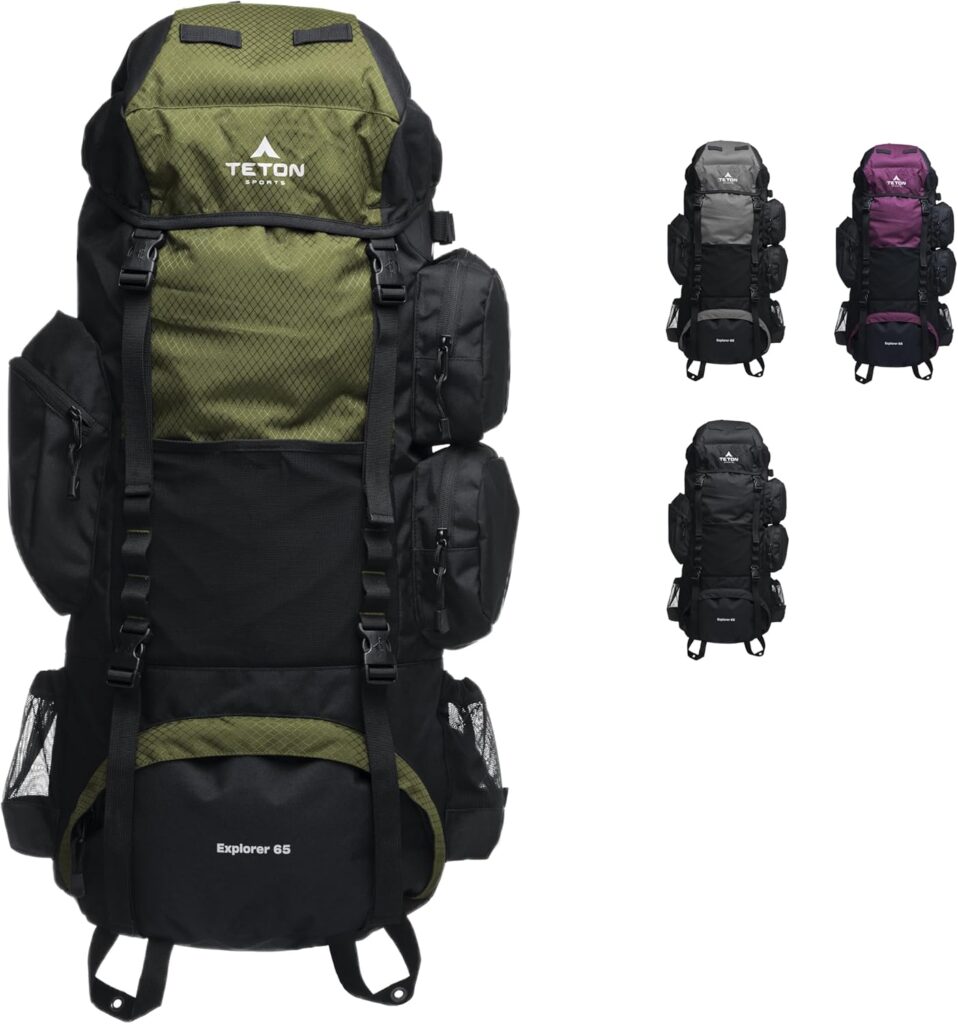
Best for
Budget-focused hikers who want a legitimate internal-frame pack for overnights and occasional multi-day trips.
Why We Like It
For the money, this pack does a lot right. You get a real internal frame, a usable capacity, and an included rain cover—things that often cost extra. It’s not as refined as premium packs (you feel that in weight and in the “polish” of adjustment), but it’s a strong value pick if you’re getting into backpacking and don’t want to drop premium money right away.
Loaded sensibly, it carries well enough for weekend trips and casual multi-day routes, especially if you’re not trying to go ultralight.
Pros
- Excellent value for a framed 65L pack
- Includes a rain cover
- Good capacity for overnights and multi-day packing
- Great “starter pack” for new backpackers
Cons
- Heavier than premium options
- Fit and suspension feel less dialed-in under heavier loads
- Materials and straps feel more basic than high-end packs
Other Things to Consider (Before You Buy)
- Fit and sizing: Torso length and hipbelt fit matter more than brand. If a pack doesn’t land correctly on your hips, it will never feel right.
- Weight vs. comfort: Lightweight packs can feel amazing—until you overload them. Comfort-focused packs can feel heavier—until you’re 8 miles in and grateful.
- Hydration preference: If you hate cleaning reservoirs, you might prefer bottle pockets and easy access instead of a hydration sleeve setup.
- Access style: Panel access is great for “I want this item right now.” Top loading is great for “I pack the same way every time.”
- Weather strategy: Rain covers help, but a pack liner (or dry bags) matters more if you hike in serious rain.
- Price reality: Spending more often buys comfort and better suspension. Spending less can still work, but you’ll usually accept extra weight or less refined fit.
Frequently Asked Questions
What size hiking backpack do I actually need?
It depends on your most common trip length, not the biggest trip you might do once. For short day hikes (a few hours), most people are happy with 15–25L—enough for water, a layer, snacks, and a small first-aid kit. For longer day hikes or shoulder-season hiking where you’re carrying extra insulation and maybe traction, 25–35L is the sweet spot. If you’re doing overnights, 40–55L works for lighter kits, while 60–75L is more realistic for traditional backpacking loads (bulkier sleeping bag, larger tent share, extra food). A simple way to sanity-check: pack your gear on the floor first, then choose a capacity that fits it without needing to sit on the bag to zip it closed.
Is an internal frame backpack worth it for beginners?
Yes—if you plan to carry real weight (usually anything regularly over ~20 lbs). An internal frame helps transfer load to your hips, which is what keeps your shoulders and lower back from hating you after a long hike. Beginners often start with too-small packs or soft daypacks and then wonder why backpacking feels miserable. A budget internal frame pack like the TETON can be a smart way to start, especially if you’re still figuring out your gear and how much you like backpacking. The main downside is weight and less “premium comfort,” but the support is still a big upgrade over frameless bags.
What’s the difference between a hydration pack and a regular daypack?
A hydration pack is built around the reservoir: easier routing for the hose, a dedicated sleeve, and a carry design that stays comfortable with water weight. Regular daypacks can hold a bladder, but sometimes it feels like an afterthought—tight sleeves, awkward tube routing, or hard-to-access compartments. If you hike in heat, or you’re the kind of person who forgets to drink unless it’s effortless, a hydration-first pack like the CamelBak Cloud Walker 18 can make you drink more consistently, which honestly helps your energy more than people expect.
How do I know if a backpack fits correctly?
A good fit starts with the hipbelt: it should wrap your hip bones (not your waist) and carry most of the load. Your shoulder straps should feel supportive but not like they’re holding everything up. The back length should match your torso so the pack doesn’t ride too high (pulling your shoulders) or too low (bouncing and dragging). Once you tighten the hipbelt, then snug the shoulder straps, then adjust the load lifters (if present), the pack should feel stable when you lean forward or step down. If you feel pressure points immediately, or you can’t get the hipbelt to sit correctly, it’s probably the wrong size or shape for you.
Which is better: Osprey Atmos AG 65 vs The North Face Terra 65?
They’re both 65L packs, but they feel like they’re built for slightly different hikers. The Atmos AG 65 leans hard into comfort and ventilation—great if you carry heavier loads and want a more “floating” feel that reduces sweaty back misery. The Terra 65 is more straightforward and rugged, great if you want a durable, simple load hauler and don’t mind a bit more weight and a more traditional top-loader experience. If you’re comfort-obsessed and doing long days with real weight, I’d lean Atmos. If you want a durable, no-nonsense backpacking pack and you pack like a traditional backpacker, Terra is a strong pick.
Conclusion
If you want the most comfortable multi-day carry and you don’t mind paying for it, the Osprey Atmos AG 65L Men’s Backpacking Backpack is the “treat your body right” choice. For women who want a stable, close-to-body day hiking pack (especially with a broadened fit range), the Osprey Tempest Women’s Backpack (Extended Fit) is the move. If hydration is your priority and you want something simple that keeps you drinking consistently, grab the CamelBak Cloud Walker 18 Hydration Backpack. If you want a rugged, straightforward 65L pack with a traditional backpacking vibe, go for the The North Face Terra 65 Backpack. And if you’re trying to get into backpacking without spending premium money, the TETON Sports Explorer 65L Internal Frame Backpack is a solid budget-friendly starting point that still gives you a real frame and usable capacity.


Leave a Reply