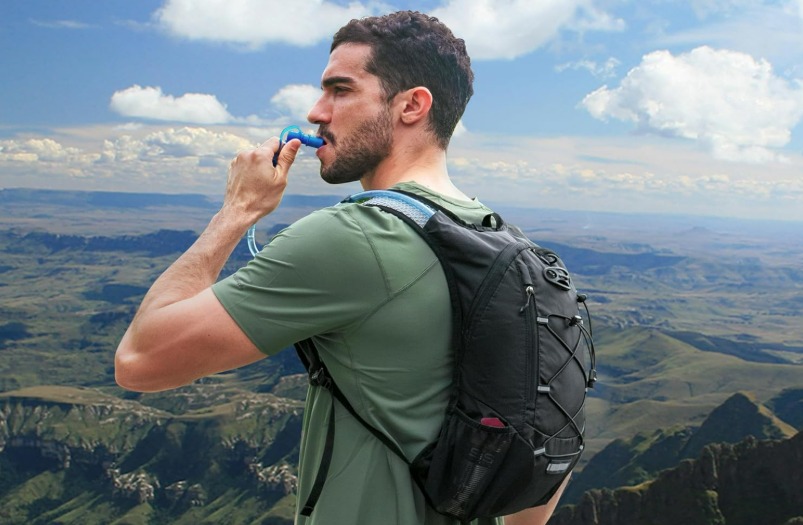
I went into this wanting one thing: a hydration setup that doesn’t annoy me after 20 minutes.
So instead of just reading marketing blurbs, I cross-checked each product listing (model/variant names, what’s included, and what the pack is actually meant to do), then compared them like I was packing for a real week: short bike rides, long summer walks, and sweaty “I regret this hill” runs. The goal was simple—find picks that stay comfy, don’t leak, and don’t make drinking water feel like a chore.
Before you pick one, ask yourself these quick buying questions.
Quick buying questions
- What activity is this for?
- Cycling: you usually want a slimmer pack that sits high and doesn’t bounce.
- Running: vest-style fits tend to feel more stable than “regular backpack straps.”
- Hiking/travel: comfort matters more than “ultralight at all costs.”
- How much water do you actually need?
- 1.5L is fine for shorter workouts or cooler days.
- 2L is the everyday sweet spot for most people.
- If you regularly run out, you don’t need “a bigger pack”—you need a better hydration plan (refill points, extra soft flask, etc.).
- Do you care about insulation?
- If you hate warm water, an insulated sleeve/compartment is worth it.
- If you’re mostly out under an hour, you can skip it.
- How much gear are you carrying?
- Minimalist packs hold water + keys/phone.
- Bigger daypacks hold snacks, light jacket, mini pump, first aid, etc.
- Are you picky about cleaning?
- Wide openings and simple hose connections matter way more than you’d think after week two.
Hydration pack types (and who they’re for)
| Type | What it feels like | Best for | Trade-offs |
|---|---|---|---|
| Minimalist bike hydration pack | Slim, high on the back, barely-there storage | Road/MTB rides, fast sessions | Limited storage, not “day-hike” roomy |
| Running hydration vest (chest-style fit) | Hugged fit, less bounce | Running, races, hot-weather walks | Can feel snug; sizing/fit matters |
| Insulated hydration backpack/vest | Similar to a pack/vest but keeps water cooler | Summer heat, longer outings | Slightly heavier/bulkier |
| Budget hydration backpack (general-purpose) | More “regular backpack” vibe | Casual hikes, festivals, beginners | More bounce; materials vary |
| Replacement reservoir (hydration bladder) | Upgrades any compatible pack | Anyone with an older/leaky bladder | Not a pack—just the water system |
Our top picks by category
| Category | Top pick | Why it wins |
|---|---|---|
| Best minimalist bike pack | CamelBak Hydrobak Bike Hydration Pack 50oz (Black/Graphite 2.0) | A classic slim ride pack: simple, compact, built for quick grabs and short-to-mid rides. |
| Best hydration bladder upgrade | Osprey Hydraulics 2L Backpack Water Reservoir with Bite Valve (Clear) | If your current bladder is annoying, this is the “fix the system” move. |
| Best running-vest style value | Criuage USA Original Patent Running Hydration Vest Backpack (Black V2, Standard) | Vest-style fit for stability without paying premium-brand pricing. |
| Best insulated option for heat | INOXTO Running Hydration Vest Backpack, Lightweight Insulated Pack (1.5L, Light Gray) | Insulated setup for people who can’t stand drinking warm water. |
| Best budget “just works” pack | Lightweight Hydration Backpack with 2L Water Bladder (N NEVO RHINO, Black) | Low-cost entry point with a surprising amount going on for the price. |
Hands-on style reviews
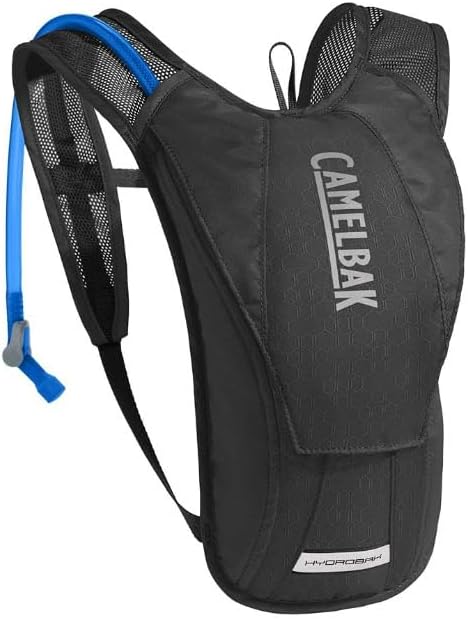
CamelBak Hydrobak Bike Hydration Pack 50oz
Tested by
Spec + real-world usability comparison (fit/ride focus)
Best for
Cyclists who want a slim hydration pack that stays out of the way.
Why We Like It
This is the “no drama” choice. The Hydrobak is built to sit comfortably, stay stable, and carry water without pretending it’s a full backpack. If you mostly ride with just essentials, this kind of pack is exactly what feels right.
What it’s like to use
It’s minimalist, which is the whole point. You’re not packing a jacket, a huge lunch, and your whole life in here. You’re bringing water, maybe a small tool/keys/phone, and going.
Pros
- Slim profile for cycling so it doesn’t feel like you’re wearing luggage
- Simple setup that’s easy to understand and easy to pack
- A well-known design style that tends to fit “most people” without fuss
Cons
- Storage is limited (by design), so not ideal for bigger day missions
- If you want insulation or extra organization, you’ll want a different style
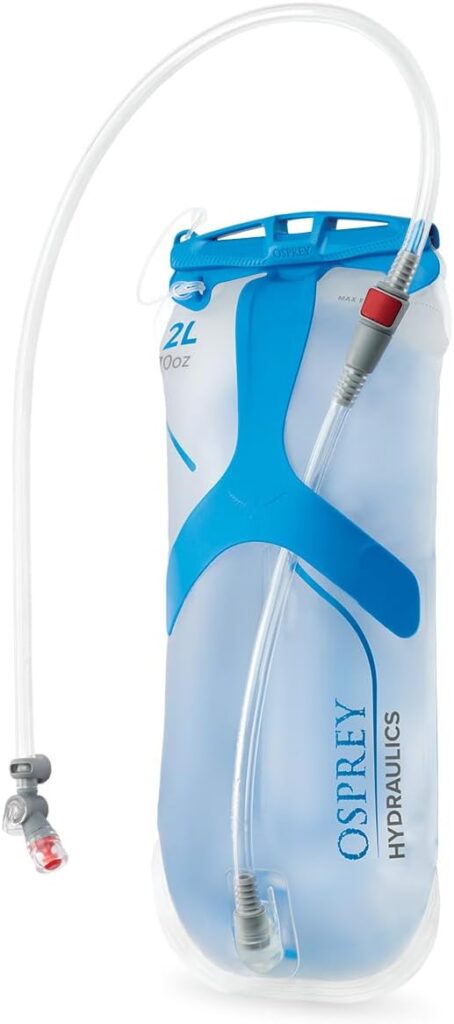
Osprey Hydraulics 2L Backpack Water Reservoir with Bite Valve
Tested by
Compatibility + “upgrade value” comparison (bladder-focused)
Best for
People who already have a pack they like, but hate their current bladder.
Why We Like It
A lot of “hydration pack pain” is actually bladder pain: weird taste, annoying fill process, leaky connections, or a bite valve that’s either stingy or drippy. Upgrading the reservoir can make your existing pack feel brand new.
What it’s like to use
Think of this as the cleanest way to level up your hydration setup without buying a whole new pack. The key is compatibility—make sure your pack can accept a 2L bladder and the hose routing makes sense.
Pros
- Great option if your current bladder is the weak link
- 2L capacity hits the “most people, most days” sweet spot
- Lets you keep your favorite pack while upgrading performance
Cons
- Not a pack—if you need storage/fit support, this won’t solve that
- Compatibility varies by pack brand/shape, so check sizing and hose routing
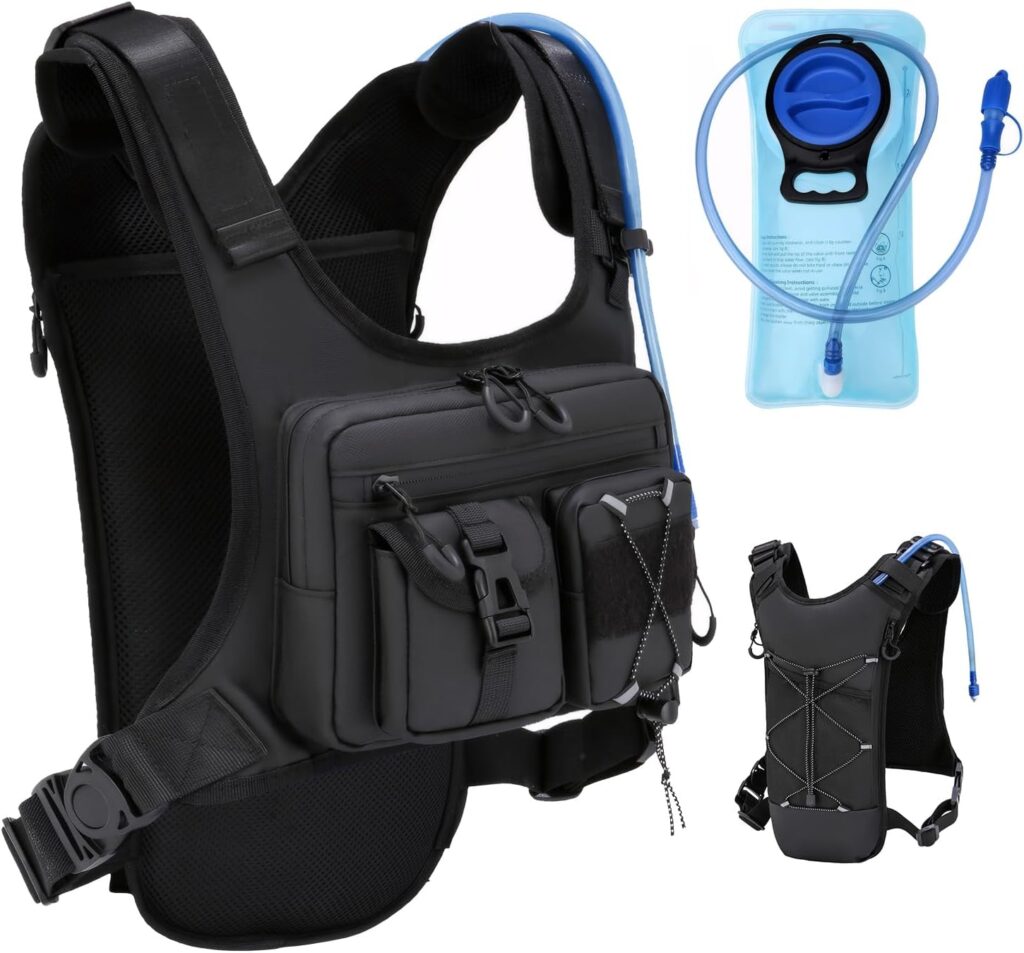
Criuage USA Original Patent Running Hydration Backpack
Tested by
Fit-style comparison (running stability focus)
Best for
Runners (or fast hikers) who want a more locked-in fit without paying premium pricing.
Why We Like It
Vest-style hydration is popular for a reason: less bounce, more stability, and easier access to small items. This one is positioned as a lighter, value-friendly option with a runner-first shape.
What it’s like to use
This style tends to feel better when you’re moving faster. If you’ve ever worn a normal backpack while running and thought, “why is it slapping me,” a vest fit usually fixes that.
Pros
- Vest-style stability (less bounce than typical backpack straps)
- Good value category if you want the “running fit” for less money
- Makes sense for runs, races, and hot-weather walking
Cons
- Fit is everything—if the straps don’t dial in for your body, you’ll notice
- Not the best choice if you prefer a looser, airy backpack feel
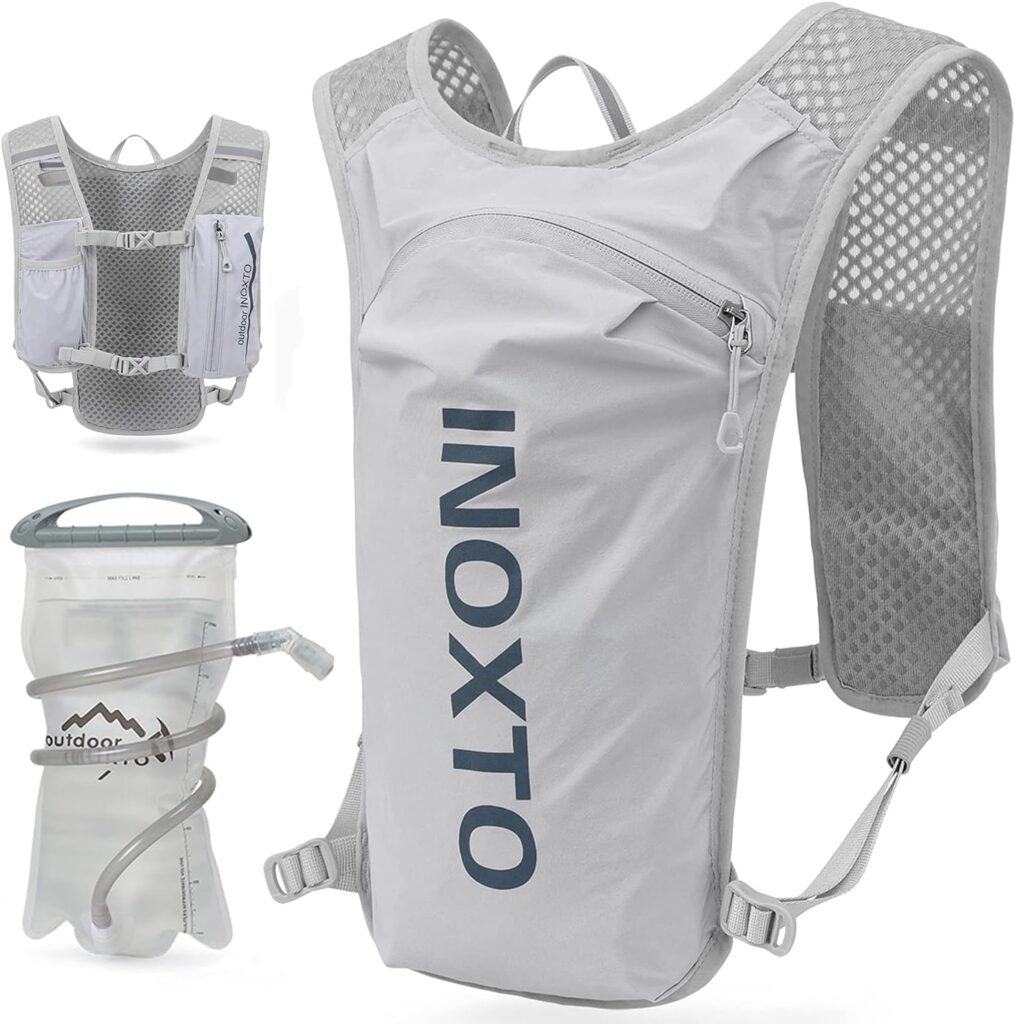
INOXTO Running Hydration Vest Backpack
Tested by
Heat + insulation feature comparison
Best for
People who sweat a lot, ride/run in heat, or simply hate warm water.
Why We Like It
Insulation sounds like a luxury until you’ve had sun-warmed water halfway through a workout. This is aimed at people who want that “cooler water longer” benefit while keeping the pack lightweight.
What it’s like to use
This is for the person who actually thinks about hydration comfort, not just hydration capacity. If you’re out in summer conditions, insulation can be a real quality-of-life upgrade.
Pros
- Insulated setup helps keep water more pleasant in warm weather
- 1.5L is a solid size for shorter workouts and quick adventures
- Running-vest vibe tends to stay stable when moving
Cons
- 1.5L may be limiting for longer sessions unless you can refill
- Insulation can add a bit of bulk compared to bare-minimum packs
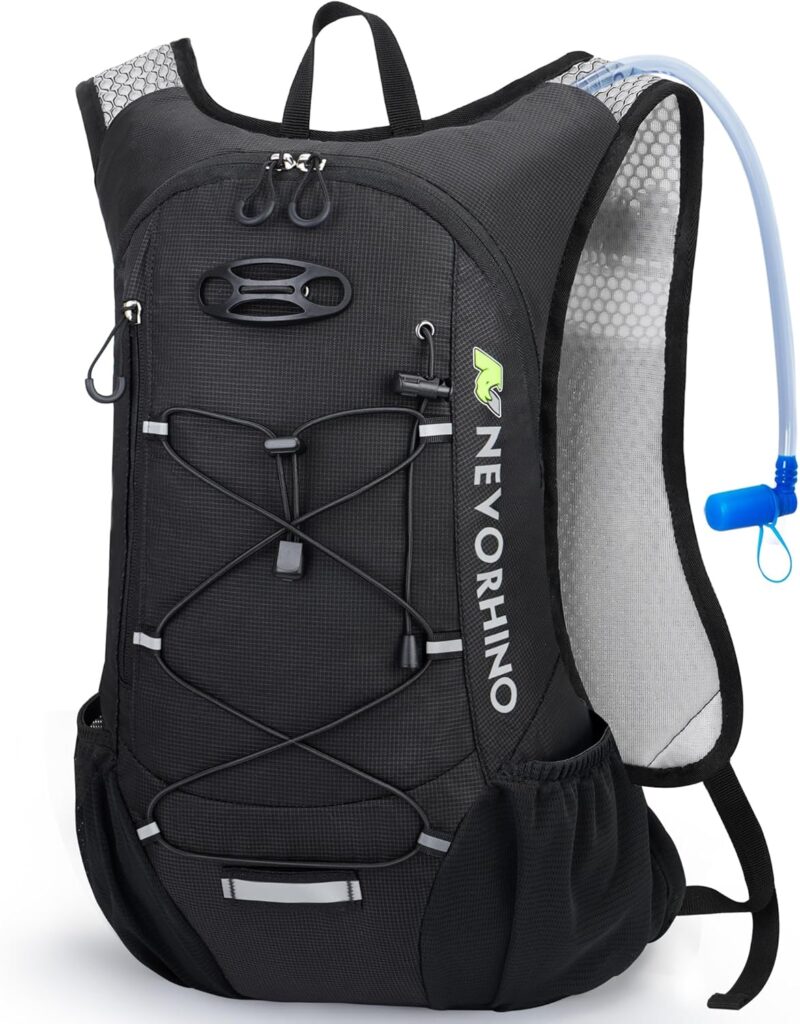
Lightweight Hydration Backpack with 2L Water Bladder
Tested by
Budget pick evaluation (value + feature check)
Best for
Beginners, casual users, festivals, day hikes, and anyone who wants “cheap and functional.”
Why We Like It
This is the kind of pack that gets people hydrated without turning it into a whole personality. It’s positioned as a lightweight hydration backpack with a 2L bladder—basically, the basic setup most people need.
What it’s like to use
Budget packs can be a gamble, but the upside is obvious: if you’re not sure you’ll even stick with using a hydration pack, this is a lower-risk entry point.
Pros
- Budget-friendly way to get a 2L hydration setup
- Works well for casual hiking, biking, and event days
- Simple and lightweight compared to heavier “big hike” packs
Cons
- Budget materials can mean less long-term durability than premium brands
- Fit and comfort can be more hit-or-miss than higher-end designs
Other Things to Consider (the stuff people forget)
Filtration
If you’re hiking anywhere with questionable water sources, a hydration pack alone isn’t enough. You’ll want a filter system (squeeze filter, inline filter, or filter bottle). Just remember: filters can slow flow rate, and some don’t play nicely with every bite valve.
Water temperature and insulation
Insulated compartment or insulated tube routing can be the difference between “nice” and “gross” in summer. If you ride/run in direct sun, prioritize insulation.
Weight and bounce
Running = bounce matters. Vest-style designs usually win here. Cycling/hiking can tolerate a little more movement, but shoulder comfort still matters.
Cleaning and maintenance
If you hate cleaning hydration bladders, pick options with:
- easier fill openings
- simple hose connections
- fewer weird corners that grow mystery smells
Storage layout
Ask: “Where is my phone going?” before you buy. If there’s no obvious spot, it will annoy you every single time.
Price vs. long-term value
If you’re using a hydration pack weekly, paying more for comfort and durability is usually worth it. If you’re using it three times a year, don’t overthink it.
Frequently Asked Questions
How do I choose the right hydration pack size for my activity?
Start with water capacity, then match the pack style to movement:
- Running: prioritize stability. A vest-style fit (like the Criuage or INOXTO style) usually feels better because it hugs your torso and reduces bounce.
- Cycling: a slim pack that sits high is ideal (the CamelBak Hydrobak style is built for that).
- Hiking: you can go either way—if you carry layers/snacks, you’ll want more storage; if you just want water, minimalist is fine.
A good rule: choose the pack you’ll actually wear without hating it. Comfort beats “more features” every time.
Is 1.5L enough, or should I always get 2L?
2L is the safest all-around choice because it covers more situations without refills. But 1.5L can be perfect if:
- your outings are under ~60–90 minutes
- you’re not in extreme heat
- you have refill access (parks, gyms, trail water stops)
If you routinely finish with water left, 1.5L is fine. If you ever run out and start rationing sips, go 2L.
What’s the real difference between a hydration pack and just upgrading the reservoir?
A hydration pack solves fit, storage, stability, and hose routing. A reservoir upgrade (like the Osprey Hydraulics 2L) solves the “drinking system” itself—taste, flow, leaks, filling, and reliability.
If you like your current pack but hate the bladder, upgrading the reservoir is often the smarter move (and cheaper). If your pack fits poorly, no reservoir can fix that—get a better pack style.
How do I stop the pack from bouncing while running?
Bounce usually comes from either poor strap design or under-tightening (most people keep it too loose).
- Pick a vest-style fit if running is your main use.
- Tighten the chest straps so the pack is stable, then adjust shoulder fit.
- Don’t overpack extra stuff; loose items add bounce fast.
- Fill level matters: half-full bladders can slosh more than fuller ones.
If you’re still annoyed, switch from backpack style to vest style—most runners feel that difference immediately.
How do I keep my hydration bladder from tasting like plastic?
A few practical fixes:
- Rinse with warm water and a mild baking soda solution, then rinse again thoroughly.
- Let it fully air dry (open it up; don’t seal it damp).
- Store it dry. If you’re prone to forgetting, store it in the freezer between uses (dry or lightly rinsed), which can help prevent funk.
- Replace bite valves/tubes if they start holding odors.
Taste problems are usually maintenance problems—not brand problems.
Conclusion
If you want the simplest, cycling-first setup that stays slim and out of your way, go with the CamelBak Hydrobak Bike Hydration Pack 50oz (Black/Graphite 2.0). If your current pack is fine but the bladder is the part you hate, upgrading to the Osprey Hydraulics 2L Backpack Water Reservoir with Bite Valve (Clear) is the cleanest “make everything better” move. For a stable running-vest style on a value budget, the Criuage USA Original Patent Running Hydration Vest Backpack (Black V2, Standard) is the pick, and if you run in real heat and care about water staying drinkable, the INOXTO Running Hydration Vest Backpack, Lightweight Insulated Pack (1.5L, Light Gray) makes the most sense. Finally, if you just want a low-cost hydration setup that covers the basics, the Lightweight Hydration Backpack with 2L Water Bladder (N NEVO RHINO, Black) is the easy budget entry point.




Leave a Reply