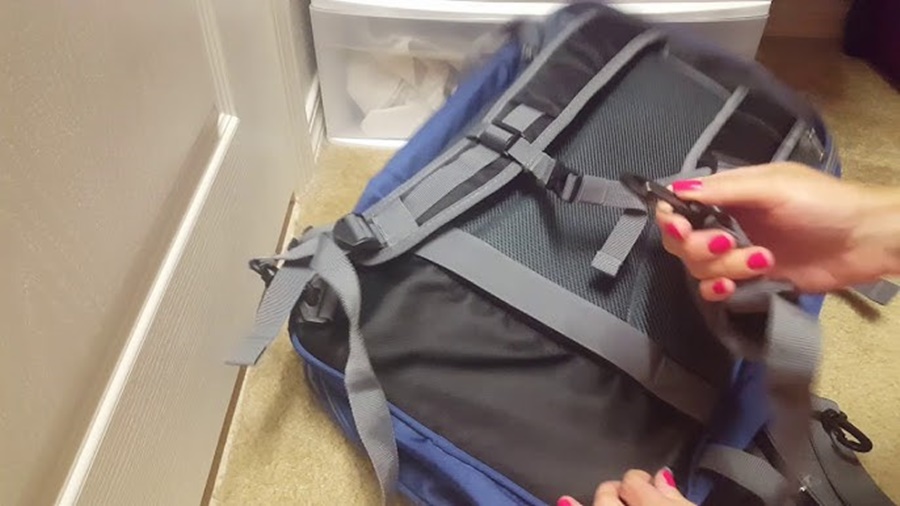
Choosing the right backpack for travel can make all the difference in comfort, organization, and convenience. Two of the most popular options are the EDC (Everyday Carry) backpack and the carry-on backpack. While they may look similar at first glance, they serve very different purposes. This guide explores the differences, similarities, pros, and cons so you can decide which one fits your travel needs.
What Is an EDC Backpack?
An EDC backpack is designed for daily use typically for work, school, commuting, or short urban outings. These backpacks focus on versatility, lightweight comfort, and smart organization.
Key characteristics of EDC backpacks:
- Compact and lightweight
- Sleek profiles with minimalist designs
- Internal organization for tech gear, notebooks, wallets, phones, and small accessories
- Easy to carry comfortably throughout the day
- Usually not optimized for long trips or heavy loads
What Is a Carry-On Backpack?
A carry-on backpack is specifically designed for travel, especially airline travel. It’s sized to meet most airline carry-on restrictions and built to hold enough gear for weekend trips or travel adventures.
Key characteristics of carry-on backpacks:
- Larger capacity (typically 30–45 liters)
- Designed to fit airline overhead bins
- Often includes travel-specific features like luggage pass-through sleeves, packing cubes, and expandable compartments
- More durable materials for heavier loads and extended travel
- Can serve as both a day pack and primary luggage
Size and Capacity
EDC Backpack
- Usually 10–25 liters
- Best for daily essentials and light gear
- Too small to pack full travel wardrobe
Carry-On Backpack
- Roughly 30–45 liters
- Designed to carry clothes, toiletries, travel gear, and tech
- Can replace traditional suitcases for many trips
Winner: Carry-on backpack for travel capacity
Organization and Compartments
EDC Backpack
EDC packs usually excel in internal organization:
- Dedicated laptop/tablet sleeves
- Small pockets for cables, pens, notebooks
- Quick-access front pockets
- Designed for tech and daily essentials
Carry-On Backpack
Carry-on backpacks also have organizing features but focus more on travel:
- Full-length clamshell opening for easy packing
- Multiple compartments for clothes and accessories
- Built-in toiletry bag or compression straps
- Some include RFID pockets and security features
Winner: Tie — EDC excels for daily organization; carry-on excels for travel organization.
Weight and Portability
EDC Backpack
- Light and comfortable for all-day use
- Doesn’t cause fatigue during city walks or commuting
Carry-On Backpack
- Heavier, especially when fully packed
- Designed with travel comfort in mind (adjustable straps, padded back, hip belts on some)
Winner: EDC backpack for everyday portability, carry-on for longer journeys.
Travel Comfort and Ergonomics
Carry-on backpacks are generally more comfortable for longer durations with heavier loads, thanks to features like:
- Padded shoulder straps
- Sternum and hip belts
- Adjustable suspension
EDC packs often lack robust support systems because they’re not meant for heavy items.
Winner: Carry-on backpack
Use Cases: When to Choose What
Choose an EDC Backpack If:
- You’re traveling light for a day trip
- You need a daily go-to bag for city exploration
- Comfort and lightweight are your priority
- You’re carrying mainly tech and personal items
Choose a Carry-On Backpack If:
- You’re flying and need to use it as your main luggage
- You want a backpack for week-long travel
- You need more space for clothes, gear, and travel essentials
- Organizational travel features are important
Pros and Cons at a Glance
| Feature | EDC Backpack | Carry-On Backpack |
|---|---|---|
| Capacity | ⭐ Compact | ⭐⭐ Spacious |
| Portability | ⭐⭐⭐ Lightweight | ⭐⭐ Travel-ready |
| Comfort (Heavy Loads) | ⭐⭐ | ⭐⭐⭐ |
| Travel Convenience | ⭐⭐ | ⭐⭐⭐ |
| Organization | ⭐⭐⭐ (for tech) | ⭐⭐ (for travel gear) |
| Airline Carry-on Compatible | ⭐ | ⭐⭐⭐ |
Tips for Choosing the Right Travel Backpack
- Check Airline Size Limits
Ensure the carry-on complies with the airline you fly most often. - Consider Your Travel Style
Minimalist traveler? EDC with a travel compression cube might suffice. Frequent flyers? Go for a dedicated carry-on backpack. - Try Before You Buy
Test straps, weight distribution, and comfort with a loaded pack if possible. - Think About Versatility
Some travelers like a mid-size backpack that bridges the gap between EDC and carry-on.
Conclusion
Both EDC backpacks and carry-on backpacks have their place, but for travel especially air travel the carry-on backpack is usually the more versatile and practical choice. Its larger capacity, travel-specific features, and comfort for longer journeys make it ideal for extended trips. EDC backpacks still shine for daily use and light day trips, but they’re limited when it comes to packing enough for a full adventure.





Leave a Reply