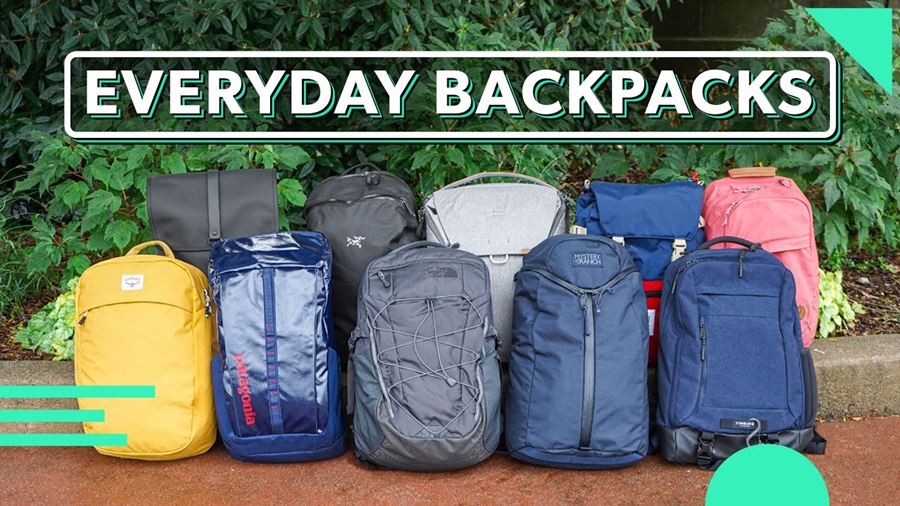
Choosing the right bag for daily life might seem simple, but if you carry essentials every day whether for work, travel, school, or errands the decision matters. Two of the most popular options are the EDC (Everyday Carry) backpack and the daypack. While they may look similar, their design philosophies and intended uses differ enough to affect how well they serve you.
This guide breaks down what each type of backpack is, where they excel, and how to choose the best option for your everyday needs.
What Is an EDC Backpack?
An Everyday Carry (EDC) backpack is designed to carry daily essentials in a highly organized way. It’s built for people who want quick access to tools, gadgets, and personal items they use most frequently.
Key features of EDC backpacks:
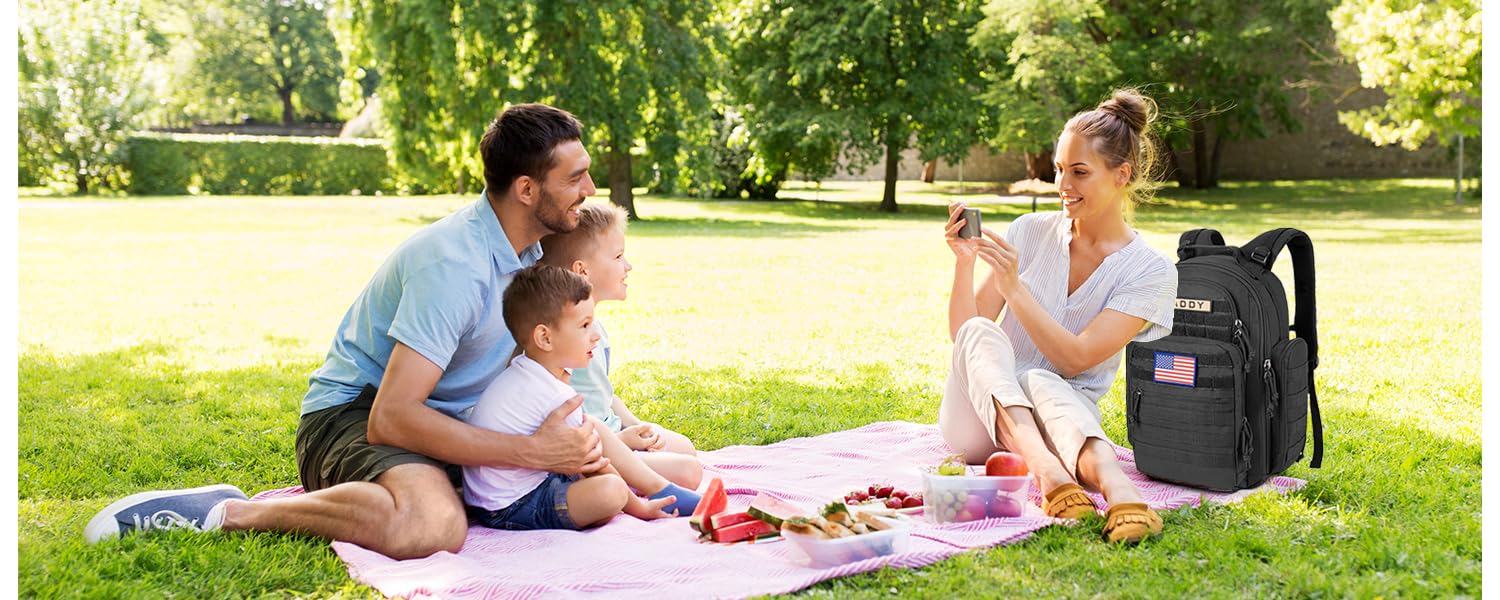
- Lots of organization: multiple internal and external pockets
- Dedicated spaces for tech gear (phones, tablets, laptops)
- Attachment points (webbing, loops, MOLLE)
- Durable materials
- Often compact but thoughtfully arranged
EDC backpacks are all about functionality and accessibility. Instead of just carrying items, they help you carry smarter.
What Is a Daypack?
A daypack is a general-use backpack intended for carrying items needed during a single day. The term is most commonly associated with hiking and travel, but many daypacks double as everyday bags.
Typical features of daypacks:
- Moderate storage space (usually 15–30 liters)
- Simple compartments (main compartment + few pockets)
- Comfortable straps for walking
- Lightweight and durable
- Often water-resistant
Daypacks are versatile and straightforward. They’re designed to carry gear comfortably for an extended period — whether that’s on a trail or around town.
EDC Backpack vs Daypack: Side-by-Side Comparison
| Feature | EDC Backpack | Daypack |
|---|---|---|
| Purpose | Highly organized daily gear | General daily use or short excursions |
| Storage Style | Lots of compartments & pockets | Larger single compartment + minimal extras |
| Capacity | Typically 10–20 L | Usually 15–30 L |
| Organization | Superior (specific slots/holders) | Basic to moderate |
| Tech-Focused | Often includes tech pockets | Some models include tech space |
| Weight & Bulk | Compact but functional | Can be larger with fewer organization points |
| Best For | Urban carry, commuters, tech users | Students, casual users, hikers |
Why Choose an EDC Backpack?
Here are reasons to pick an EDC backpack for everyday use:
1. Better Organization
EDC backpacks are built with multiple pockets, loops, and slots, so everything — from pens to power banks — has its place.
2. Tech-Friendly
Many EDC backpacks include padded laptop and tablet sleeves and cable management systems.
3. Quick Access
Front or side access panels make it easy to grab what you need without digging through the main compartment.
4. Sleek and Purposeful
They’re usually designed for urban environments, with clean lines and efficient layouts.
Ideal for: commuters, students, tech professionals, gear enthusiasts.
Why Choose a Daypack?
Daypacks have their own strengths:
1. Larger Capacity
If you need to carry bulkier items — gym clothes, lunch, books — daypacks usually offer more space.
2. Versatility
Daypacks can handle school, work, travel, hiking, and outdoor adventures.
3. Comfort for Longer Wear
Often designed with ergonomic straps and support for walking or carrying heavier loads.
4. Simpler Design
Less emphasis on compartmentalization can be a plus for people who prefer open space over organization.
Ideal for: students, travelers, hikers, casual everyday users.
Who Should Use an EDC Backpack?
Choose an EDC backpack if you:
- Carry many small items (pens, cards, gadgets)
- Need quick access to your gear
- Prefer structured organization
- Commute in urban environments
- Want a bag optimized for tech and tools
EDC backpacks are especially suited for professionals and minimalists who value smart organization over sheer volume.
Who Should Use a Daypack?
Choose a daypack if you:
- Carry bigger items (books, food, clothes)
- Want versatility for travel or outdoor activities
- Prefer simple storage over structured organization
- Value comfort and weight distribution
Daypacks are great for students, casual users, hikers, and anyone who needs more space and flexibility.
Tips for Choosing the Right Backpack
Here’s how to decide between an EDC backpack and a daypack:
1. Think About What You Carry Daily
If most of your items are small tech or personal essentials, an EDC backpack may win. If you carry larger items, a daypack might be better.
2. Consider How You Access Your Gear
Need frequent access to small tools or gadgets? EDC backpacks make it easy. Daypacks favor bulk storage.
3. Evaluate Comfort Needs
For long walks or heavy loads, padded straps and back support matter — something most daypacks focus on.
4. Look at Aesthetics
EDC backpacks tend to have sleek, professional looks suited to city environments. Daypacks can range from casual to outdoor styles.
Conclusion
When choosing between an EDC backpack and a daypack for everyday use, the best option ultimately depends on your lifestyle and what you carry daily.
If you prioritize organization, quick access, and dedicated compartments for tech and small essentials, an EDC backpack is likely the better choice. It’s ideal for commuters, professionals, and anyone who prefers a structured system where everything has its place.
On the other hand, if you need more space, flexibility, and comfort for carrying larger or bulkier items, a daypack may suit you better. Its simple design and versatile capacity make it a great option for students, travelers, and casual everyday users.



Leave a Reply