Choosing the right backpack can make a huge difference in comfort, organization, and functionality whether you’re navigating your daily routine or trekking into the wilderness. Two popular styles are EDC (Everyday Carry) backpacks and hiking backpacks. Although both are designed to carry your gear, they serve very different purposes and excel in different situations.
In this detailed article, we’ll explore what sets these two backpack styles apart, where each shines, and how to choose the right one for your needs.
What Is an EDC Backpack?
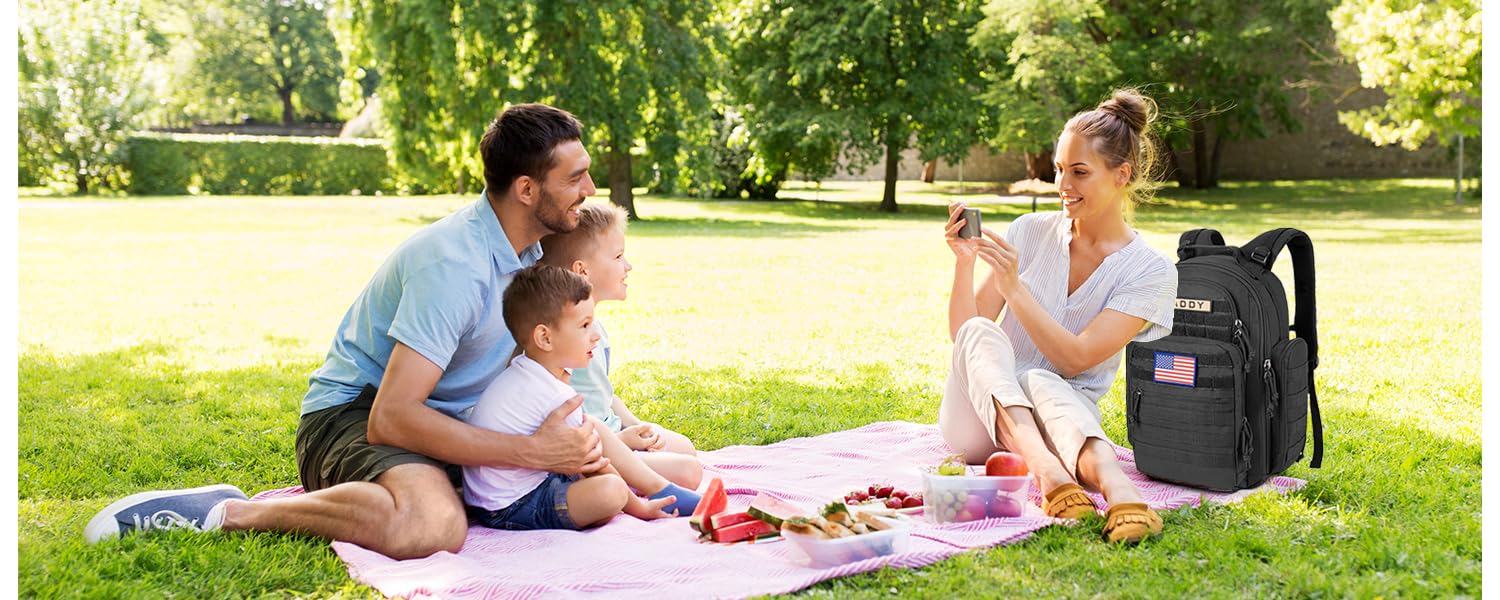
An EDC (Everyday Carry) backpack is designed for daily use commuting, school, work, errands, travel, or just being out and about. It strikes a balance between style, organization, and practicality.
Key Features of EDC Backpacks
- Compact and streamlined — Generally smaller and lighter than hiking packs.
- Organization-focused — Multiple compartments, pockets, and organizers for gadgets, notebooks, pens, keys, etc.
- Urban design — Often looks sleek and professional; many fit under airplane seats.
- Laptop-friendly — Many include padded compartments for laptops, tablets, and electronics.
- Comfortable for light loads — Padded straps and back panels for everyday comfort.
Best Uses
- Daily commute
- City travel
- Work or school
- Carrying tech gear
- Short trips or minimalist travel
What Is a Hiking Backpack?
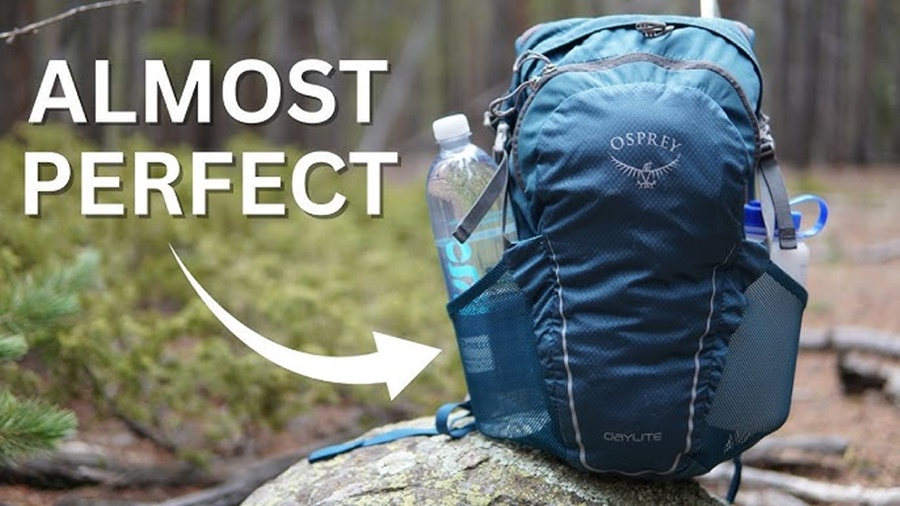
A hiking backpack is built for outdoor adventures from day hikes to multi-day backpacking trips. It’s engineered for comfort over rough terrain and to carry heavier loads.
Key Features of Hiking Backpacks
- Larger capacity — Typically range from 20–80 liters depending on trip length.
- External frame or support — Internal frames, load lifters, and hip belts help distribute weight.
- Durable and weather-resistant materials
- Hydration compatibility — Many have built-in hydration bladder compartments.
- Attachment points — Loops and daisy chains for trekking poles, sleeping pads, and gear.
Best Uses
- Trail hiking
- Backpacking trips
- Camping
- Adventure travel
- Carrying outdoor gear like tents and cooking equipment
Comparing EDC and Hiking Backpacks
Here’s a closer look at how these two backpack types stack up across key categories:
1. Size and Capacity
- EDC: Compact, usually 10–30 liters — enough for daily essentials like laptops, books, water bottles.
- Hiking: Smaller daypacks start around 20 liters, but multi-day packs go up to 80+ liters for extended trips.
Winner: Hiking backpacks for gear capacity; EDC for daily essentials.
2. Comfort and Support
- EDC: Light padding, suitable for carrying lighter loads.
- Hiking: Designed with padded hip belts, chest straps, and structured frames for heavier loads over long distances.
Winner: Hiking backpacks for comfort on long treks; EDC for short daily wear.
3. Organization
- EDC: Multiple pockets and compartments built for organizing tech and small items.
- Hiking: Fewer internal organizers but more external attachment points and mesh pockets for quick access.
Winner: EDC for small-item organization; hiking for gear accessibility.
4. Durability and Materials
- EDC: Built with urban use in mind lighter materials and water resistance.
- Hiking: Heavy-duty materials and weatherproofing to withstand rugged environments.
Winner: Hiking backpacks for rugged durability.
5. Style and Versatility
- EDC: Sleek, minimal, often works in professional settings.
- Hiking: Functional, outdoorsy, less suited for office or urban fashion.
Winner: EDC for style and urban versatility.
Which One Should You Choose?
Your choice ultimately depends on how you’ll use the backpack. Below are some common scenarios:
If You Need a Daily Companion
Choose an EDC backpack. It’s ideal for:
- Commuting to work or school
- Carrying laptops, chargers, notebooks
- Everyday errands and travel
If You’re Going Outdoors
Choose a hiking backpack. It’s best for:
- Trail adventures
- Weekend or multi-day trips
- Packing outdoor gear and supplies
Can One Backpack Do Both?
Some backpacks aim to bridge the gap between everyday use and outdoor capability. These hybrid backpacks often feature:
- Sleek, urban aesthetics
- Moderate capacity (20–40 liters)
- Comfortable shoulder straps with some load support
- Laptop compartment + hydration bladder compatibility
They’re great if you want one do-it-all backpack for casual hikes and daily tasks but they won’t fully replace a dedicated hiking pack for long trips or a true EDC pack for office organization.
Tips for Choosing the Right Backpack
For an EDC Backpack
- Look for a padded laptop compartment
- Check the number of small organizational pockets
- Choose a size that’s comfortable but not bulky
- Consider water-resistant materials
For a Hiking Backpack
- Prioritize adjustable hip belts and a good frame
- Choose size based on trip duration (20–30L for day hikes, 50L+ for multi-day)
- Ensure ventilation in the back panel
- Check for hydration compatibility
Conclusion
When it comes to choosing between an EDC backpack and a hiking backpack, the right option depends entirely on how and where you plan to use it.
An EDC backpack is built for convenience, organization, and everyday comfort. It’s ideal for commuting, work, school, travel, and carrying tech gear. With dedicated compartments, a sleek design, and lightweight construction, it excels in urban and professional environments.
On the other hand, a hiking backpack is engineered for endurance, load support, and outdoor durability. If you’re heading onto trails, carrying heavier gear, or planning overnight adventures, its structured frame, hip belt support, and weather-resistant materials make it the better choice.



Leave a Reply