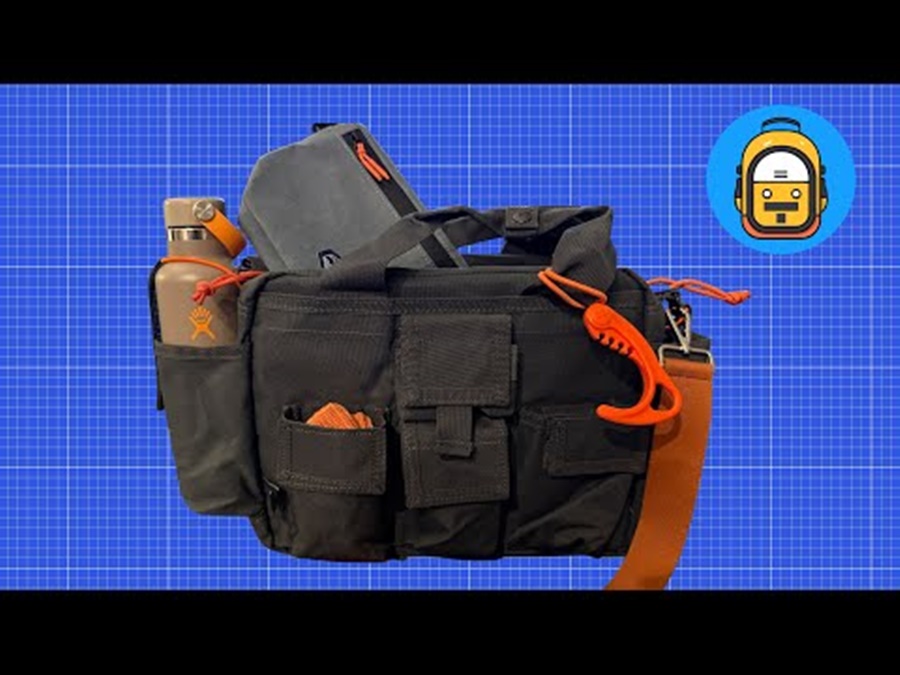
Everyday Carry (EDC) gear needs to strike a balance between comfort, capacity, organization, and style. Two of the most popular choices for daily use are the EDC backpack and the messenger bag. Choosing the right one depends on your daily routine, what you carry, and your personal preferences. In this article, we’ll break down the key differences, pros and cons, and help you decide which is more practical for you.
What Is an EDC Backpack?
An EDC backpack is a small to medium-sized backpack designed for daily essentials. Unlike large travel or hiking backpacks, EDC backpacks focus on functionality for everyday urban life. They typically feature:
- Multiple compartments and pockets
- Comfortable shoulder straps
- Durable materials
- Room for tech gear like laptops and tablets
Backpacks distribute weight evenly across both shoulders, making them suitable for heavier loads and longer wear.
What Is a Messenger Bag?
A messenger bag is a single-strap bag worn across the body, resting on one hip or at the lower back. Originally popular with bike messengers, this style is now common among commuters, students, and urban professionals.
Key characteristics include:
- Single strap for crossbody wear
- Quick access to contents
- Sleek and compact silhouette
- Often fewer compartments than backpacks
Messenger bags are ideal for quick grab-and-go situations and environments where ease of access is essential.
Design and Carrying Comfort
Backpack: Comfort for Longer Wear
Backpacks excel in comfort, especially when carrying heavier loads. Because the weight is distributed evenly across both shoulders, backpacks reduce strain on the neck and back. Padded straps and ergonomic designs further enhance comfort, making them ideal for:
- Longer commutes
- Walking or riding public transport
- Carrying heavier loads (e.g., tech gear, books, water bottles)
Messenger Bag: Easy On and Off
Messenger bags shine in situations where you need frequent access to your gear. The single strap allows you to swing the bag around to your front without taking it off. However, carrying heavier loads for long periods can cause shoulder fatigue due to uneven weight distribution.
Capacity and Organization
Backpack: More Space, Better Organization
Most backpacks offer multiple compartments to organize items like laptops, notebooks, pens, chargers, and accessories. Larger capacity means you can carry more without feeling cluttered. Some backpacks even include:
- Dedicated laptop and tablet sleeves
- Water bottle pockets
- Quick-access external pockets
- Hidden security pockets
Messenger Bag: Compact and Minimalist
Messenger bags tend to be smaller with fewer compartments. This minimalist design suits those who carry just the essentials—like a tablet, phone, wallet, and a small notebook. However, limited organization can make it harder to manage multiple items efficiently.
Accessibility and Everyday Use
Backpack: Secure but Less Accessible
Backpacks are secure and great for keeping items organized. But accessing items can take more effort, especially if the bag is full. You often need to take the backpack off to reach deeper compartments.
Messenger Bag: Quick Access Anytime
Messenger bags are top-tier for accessibility. You can swing them to your front and reach your gear quickly without stopping or removing the bag. This makes them ideal for:
- Urban commuting
- Students moving between classes
- People who need frequent access to their devices
Style and Professionalism
Style is subjective, but both bags have their own aesthetic appeal.
Backpack: Casual and Functional
Backpacks usually lean toward casual or sporty styles. They pair well with everyday wear and travel outfits. Some minimalist designs can also fit into business casual environments.
Messenger Bag: Sleek and Professional
Messenger bags often have a more refined and professional look. Leather or canvas messenger bags can pair well with business attire, making them a popular choice for professionals and creatives.
Weather Resistance and Durability
Both bags come in a wide range of materials and build qualities.
- Backpacks often use rugged, water-resistant fabrics and reinforced stitching, which is excellent for daily urban wear and commuting.
- Messenger bags can also be highly durable, especially those designed for bike messengers, though they might be less padded overall.
Choosing water-resistant materials and quality zippers or closures can ensure durability in either case.
Cost and Value
Backpacks and messenger bags exist across a wide price range from budget-friendly options to premium designs. Generally:
- Backpack prices can vary based on capacity and features.
- Messenger bags may be more affordable due to simpler construction, but premium materials like leather can increase cost.
Value depends on how well the bag meets your daily needs and longevity.
Choosing the Right One for You
Here’s a quick comparison to help you decide:
| Feature | EDC Backpack | Messenger Bag |
|---|---|---|
| Comfort for Heavy Loads | ⭐⭐⭐⭐ | ⭐⭐ |
| Accessibility | ⭐⭐ | ⭐⭐⭐⭐ |
| Organization | ⭐⭐⭐⭐ | ⭐⭐ |
| Professional Appearance | ⭐⭐ | ⭐⭐⭐ |
| Casual/Everyday Style | ⭐⭐⭐⭐ | ⭐⭐⭐ |
| Best For | Heavy gear, long wear | Quick access, minimalist carry |
Conclusion
If you carry lots of items, value organization, or have a long commute, an EDC backpack is likely more practical. On the other hand, if you prioritize quick access, a light load, and a sleek style, a messenger bag might be the better choice.
Consider your daily routine, what items you carry, and your comfort preferences. Ultimately, the most practical bag is the one that fits seamlessly into your lifestyle.





Leave a Reply