
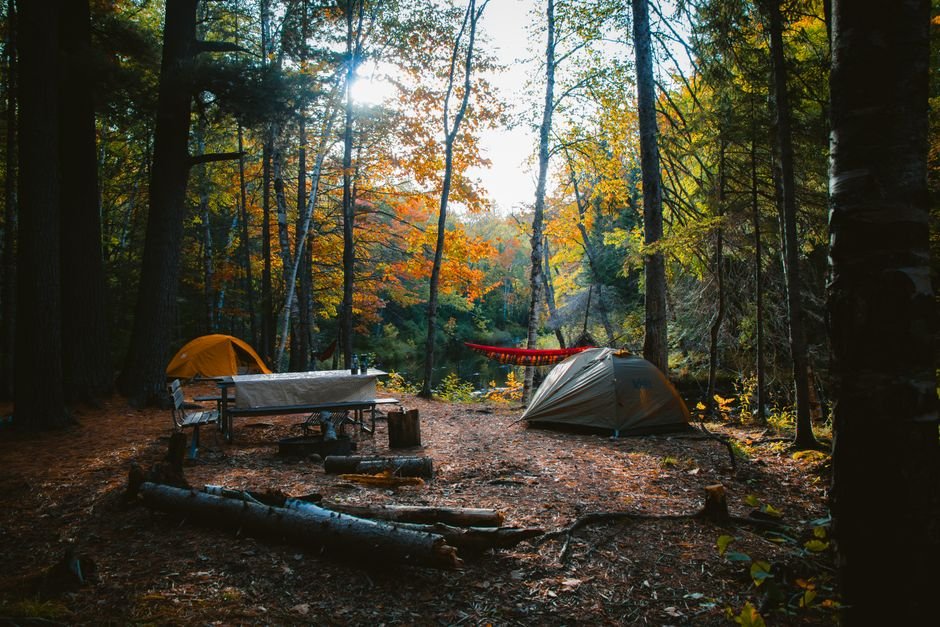
Tent not staying dry is often a result of poor seam sealing, with up to 70% of water leaks occurring at the seams. To prevent this frustrating issue, ensure that your tent is properly waterproofed and consider applying seam sealer before your trip. Additionally, maintaining adequate ventilation can help reduce internal condensation, keeping your sleeping area dry and comfortable.
Having learned through both observation and some hard lesson, I can confidently say that keeping your tent dry is not just about luck or choosing the right campsite. It’s about using the right techniques and equipment.
This article dives into the solutions I’ve found effective in ensuring a dry camping experience and how you can avoid the common pitfalls. Whether you’re dealing with tricky seam leaks or condensation issues, these strategies are simple yet effective.

Why Is a Dry Tent Essential?
A dry tent is critical because moisture can ruin your camping experience, turning a serene night under the stars into a miserable outing. On one occasion after a rainstorm, I found that my newly purchased tent was leaking through the seams, soaking my sleeping bag and clothes. This taught me the importance of proper tent maintenance, especially checking the seams and waterproofing the fabric.
Many people overlook these details, assuming their tent will withstand any weather conditions.
Furthermore, condensation can build up inside your tent from your breath, especially in cooler temperatures. Droplets of water forming on the tent walls drip down, soaking your gear and making it uncomfortable. Understanding these issues allows you to equip yourself better for dry camping.
Steps to Ensure Your Tent Stays Dry
To combat the frustrations surrounding tents not staying dry, I’ve discovered some key practices that really come into play. Here is a list of effective strategies for keeping your tent dry:
- Check the seams: Before your trip, inspect your tent’s seams thoroughly. Look for any signs of wear or tear, and seal them with a waterproof seam tape if necessary.
- Use a waterproofing spray: Invest in a quality waterproofing spray designed for tents. Many camping enthusiasts suggest reapplying this every season to maintain the tent’s integrity. I’ve found this to be more reliable than relying solely on the original tent fabric.
- Set up an appropriate footprint: A footprint provides an extra layer of protection between the ground and your tent. It can prevent water from seeping up underneath, which is a common oversight for many campers (and one I’ve learned the hard way).
- Proper tent setup: Ensure that your tent is set up on higher ground if you anticipate rain. This helps gravity work in your favor by directing water runoff away from your tent.
- Ventilation: Open vents on your tent to reduce condensation. This promotes airflow, significantly decreasing the water droplets that can accumulate inside.
The Best Tents for Staying Dry
When looking for a tent, not all are created equal, particularly in terms of waterproofing capabilities. I’ve had good luck with tents that have a higher waterproof rating, measured in millimeters of water resistance. Generally, you should look for at least 3000mm of waterproof rating for the fly and 2000mm for the floor.
This ensures the tent can handle some serious downpours without letting moisture through.
Some brands have standout models praised for their durability and protection against the elements. Paying attention to the materials can also make a difference. For example, polyester tends to be more UV resistant, while nylon is typically stronger but less breathable. In other words, consider what’s more important for your needs when choosing a tent.
Tent Maintenance for Longevity
To ensure your tent continues to perform well, regular maintenance is key. I make it a point to clean my tent after every trip to remove dirt and grime. Store it in a cool, dry place to prevent any mold or mildew issues.
I also avoid leaving it packed away too long, this can damage the waterproof coating and lead to moisture issues when you need it most.
If you’re considering some outdoor adventures and are concerned about your gear, this tent maintenance guide will help you extend the lifespan of your investment while keeping that all-important waterproof barrier intact.
Tips for Handling Condensation
Condensation is an inevitable occurrence, especially when camping in cooler temps where the temperature inside the tent may be considerably higher than outside. To minimize moisture forming inside, I always remember to do a couple of things:
- Keep gear inside the tent to a minimum. The more items you have inside, the more moisture you can inadvertently generate.
- Utilize an insulated sleeping bag. Maintaining warmth inside can reduce temperature swings that contribute to condensation.
I still recall occasions where condensation got the better of me. It wasn’t just about the rain outside; it was about managing the environment inside the tent too.
Choosing the Right Campsite
Selecting the right campsite can greatly influence your tent’s dryness. Look for flat, elevated ground where water naturally runs away. Avoid pitching your tent in low-lying areas or near water sources, as these can become overly damp after rainfall or at night due to humidity. Taking time to find the right spot can make all the difference.
Moist Chocolate Drizzle Cake with Ganache Recipe
This moist chocolate drizzle cake combines rich chocolate flavors with a smooth, luscious ganache that complements its texture perfectly. It’s a delightful dessert that’s both simple to make and impressively decadent.
Prep time 10 minutes | Cook time 25 minutes | Total 35 minutes | Serves 4
Ingredients
- 1 cup all-purpose flour
- 1 cup granulated sugar
- 1/2 cup unsweetened cocoa powder
- 1 teaspoon baking soda
- 1/2 teaspoon salt
- 1 cup water
- 1/3 cup vegetable oil
- 1 tablespoon white vinegar
- 1 teaspoon vanilla extract
- 1/2 cup heavy cream
- 1 cup chocolate chips
Instructions
- Preheat your oven to 350°F (175°C) and grease an 8-inch round cake pan.
- In a large mixing bowl, whisk together 1 cup all-purpose flour, 1 cup granulated sugar, 1/2 cup unsweetened cocoa powder, 1 teaspoon baking soda, and 1/2 teaspoon salt.
- Add in 1 cup water, 1/3 cup vegetable oil, 1 tablespoon white vinegar, and 1 teaspoon vanilla extract. Mix until just combined.
- Pour the batter into the prepared cake pan and bake for 25 minutes or until a toothpick comes out clean.
- For the ganache, heat 1/2 cup heavy cream in a small saucepan until it starts to simmer. Remove from heat and stir in 1 cup chocolate chips until smooth.
- Once the cake has cooled, drizzle the ganache over the top of the cake. Let it set for a few minutes before slicing.
Recipe Notes
This cake can be made ahead of time and stored in an airtight container at room temperature for up to 2 days. You can substitute the all-purpose flour with a gluten-free blend if necessary.
Nutrition (per serving) Calories 520 | Protein 34g | Carbs 18g | Fat 32g | Fiber 3g | Sodium 890mg
Nutrition is an estimate based on the ingredients above.

When it comes to outdoor activities, having the right gear and knowledge is essential for a hassle-free experience. Stay informed, and enjoy your adventures!
There is more on camping top picks elsewhere on the site.
Frequently Asked Questions
How do you make a chocolate drizzle for cake?
To make a chocolate drizzle for cake, melt chocolate with a little bit of cream or butter to achieve a smooth consistency. Once melted, let it cool slightly before drizzling it over the cake.
What is the best way to decorate a drizzle cake?
The best way to decorate a drizzle cake is to first allow the drizzle to set slightly before adding additional toppings like nuts, sprinkles, or fruit. This ensures that the toppings adhere well and enhances the overall presentation.
Can you freeze a chocolate drizzle cake?
Yes, you can freeze a chocolate drizzle cake, but it's best to freeze it without the drizzle. Once thawed, you can add the chocolate drizzle fresh for optimal taste and texture.
Why is my chocolate drizzle not setting?
Your chocolate drizzle may not be setting because the chocolate was melted at too high a temperature, causing it to remain too thin. Additionally, if you used a chocolate with too much added fat, it may not solidify properly when cooled.
What type of chocolate is best for drizzling?
The best type of chocolate for drizzling is semi-sweet chocolate or dark chocolate, as they provide a rich flavor and a good balance of sweetness. You can also use milk chocolate or white chocolate depending on your taste preferences.



Leave a Reply