
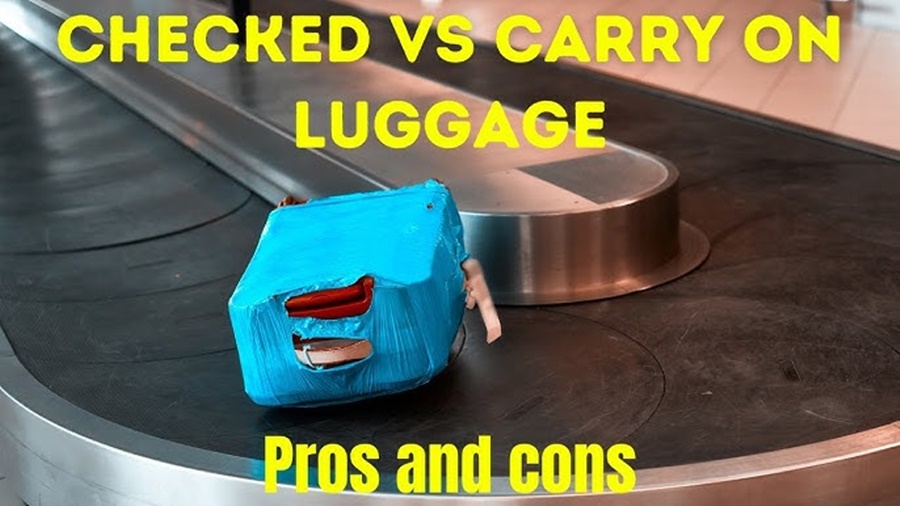
Packing for a trip often begins with one important question: should you travel with a carry-on duffel bag or check your luggage? The answer depends on your destination, travel style, trip duration, airline rules, and personal preferences. Both options offer advantages and disadvantages, and understanding them can help travelers make smarter decisions before heading to the airport.
This article explores the key differences between carry-on duffel bags and checked luggage, including convenience, cost, security, packing capacity, mobility, and ideal use cases.
Understanding Carry-On Duffel Bags
A carry-on duffel bag is a soft-sided travel bag designed to fit within airline cabin size restrictions. Most airlines allow passengers to bring one carry-on bag and one personal item onboard.
Duffel bags are popular because they are lightweight, flexible, and easy to store in overhead compartments.
Features of Carry-On Duffel Bags
Common features include:
- Soft fabric construction
- Shoulder straps or backpack-style straps
- Compact design
- Lightweight materials
- Flexible storage space
- Easy overhead compartment storage
Modern travel duffels may also include:
- Laptop compartments
- Shoe sections
- Waterproof pockets
- Compression straps
- USB charging ports
Understanding Checked Luggage
Checked luggage refers to suitcases or bags handed over to the airline during check-in and stored in the aircraft cargo hold.
These bags are usually larger and designed for travelers who need more packing space.
Features of Checked Luggage
Checked suitcases commonly include:
- Hard-shell or soft-shell construction
- Wheels and telescopic handles
- Large storage compartments
- TSA-approved locks
- Expandable zippers
- Better organization options
Checked luggage is ideal for long trips, family vacations, international travel, or transporting bulky items.
Size and Packing Capacity
One of the biggest differences between carry-on duffel bags and checked luggage is storage capacity.
Carry-On Duffel Bag Capacity
Carry-on duffels are generally smaller and suitable for:
- Weekend trips
- Business travel
- Short vacations
- Minimalist packing
Typical capacity ranges from 30 to 50 liters.
You may comfortably pack:
- 2–5 outfits
- Toiletries
- Electronics
- A pair of shoes
- Travel essentials
However, space is limited for bulky clothing or souvenirs.
Checked Luggage Capacity
Checked luggage offers significantly more room.
Typical capacities include:
- Medium suitcase: 60–80 liters
- Large suitcase: 90–120 liters
This makes checked luggage suitable for:
- Long vacations
- Winter travel
- Family trips
- International journeys
- Carrying gifts or shopping items
Travelers can pack more clothing, accessories, and larger personal items without worrying about airline cabin restrictions.
Convenience and Airport Experience
Convenience is often the deciding factor when choosing between the two.
Advantages of Carry-On Duffel Bags
Faster Airport Process
With only a carry-on:
- No baggage check-in is required
- No waiting at baggage claim
- Faster airport exit
This saves time, especially during domestic travel or short business trips.
Easier Mobility
Duffel bags are easier to maneuver through:
- Crowded airports
- Public transportation
- Train stations
- Narrow hotel spaces
Their lightweight design makes them ideal for travelers constantly on the move.
Lower Risk of Lost Luggage
Since the bag stays with you throughout the journey, the chances of loss or delayed baggage are extremely low.
Advantages of Checked Luggage
Less Physical Strain
Checked luggage eliminates the need to carry heavy bags through terminals.
Wheeled suitcases are easier for travelers carrying:
- Heavy clothing
- Equipment
- Multiple items
More Relaxed Packing
Travelers do not need to worry as much about strict cabin size limits or liquid restrictions.
Airline Fees and Costs
Budget airlines have made baggage fees a major factor in travel decisions.
Carry-On Duffel Bag Costs
Many airlines allow one free carry-on bag, though some low-cost carriers charge additional fees.
Using only a carry-on can help travelers avoid:
- Checked baggage fees
- Overweight baggage charges
- Additional handling fees
Frequent travelers can save substantial money over time.
Checked Luggage Costs
Checked baggage fees vary by airline and route.
Common extra costs include:
- First checked bag fee
- Additional bag fees
- Overweight penalties
- Oversized baggage charges
For long trips, however, paying for checked luggage may still be worthwhile due to increased packing flexibility.
Security and Safety
Security matters when transporting valuables and personal belongings.
Carry-On Duffel Bag Security
Carry-on bags provide better control because the traveler keeps possessions nearby.
Ideal items for carry-on storage include:
- Laptops
- Cameras
- Passports
- Jewelry
- Medications
- Important documents
However, soft-sided duffels may offer less physical protection for fragile items.
Checked Luggage Security
Checked luggage is more vulnerable to:
- Rough handling
- Theft
- Delays
- Loss
Hard-shell suitcases provide stronger protection for delicate items, but valuables should still remain in carry-on bags whenever possible.
Comfort and Portability
Carry-On Duffel Bags
Duffel bags excel in portability.
Benefits include:
- Lightweight carrying
- Flexible shape
- Easier storage
- Better adaptability
However, carrying a heavy duffel over long distances can become uncomfortable.
Checked Luggage
Rolling suitcases reduce shoulder strain and are more comfortable for transporting heavy loads.
The downside is reduced flexibility on:
- Stairs
- Cobblestone streets
- Uneven surfaces
- Public transit systems
Durability Comparison
Duffel Bag Durability
High-quality duffels made from:
- Ballistic nylon
- Canvas
- Polyester blends
can withstand years of travel.
Soft-sided bags are less likely to crack but may tear under extreme stress.
Checked Suitcase Durability
Hard-shell luggage offers better impact resistance, especially for fragile items.
However, hard cases can:
- Crack
- Scratch
- Dent
after repeated rough baggage handling.
Best Situations for Carry-On Duffel Bags
A carry-on duffel bag is ideal when:
- Traveling for 1–5 days
- Taking business trips
- Flying budget airlines
- Using public transportation
- Moving between multiple destinations
- Wanting quick airport exits
- Traveling light
Minimalist travelers often prefer carry-ons because they simplify the overall travel experience.
Best Situations for Checked Luggage
Checked luggage works best when:
- Traveling for more than a week
- Packing winter clothing
- Carrying sports equipment
- Traveling with family
- Bringing formal attire
- Shopping heavily during the trip
- Carrying liquids over airline cabin limits
For extended vacations, checked luggage provides much-needed flexibility.
International Travel Considerations
International travelers should carefully evaluate baggage policies.
Carry-On Challenges Internationally
Some airlines have stricter carry-on weight limits, especially outside North America.
Travelers may encounter:
- Weight inspections
- Smaller overhead bins
- Limited cabin space
Checked Luggage Advantages Internationally
Checked baggage often simplifies long-haul travel because travelers can pack:
- Extra clothing
- Toiletries
- Adapters
- Gifts
- Comfort items
However, international baggage delays can be more disruptive.
Hybrid Travel Strategy
Many experienced travelers combine both approaches.
Common combinations include:
- Carry-on duffel plus checked suitcase
- Carry-on backpack plus checked luggage
- Duffel bag for essentials and checked bag for bulk items
This strategy provides flexibility while protecting essential belongings.
Environmental Impact
Traveling lighter can reduce fuel consumption on aircraft.
Carry-on-only travel generally contributes to:
- Lower aircraft weight
- Reduced fuel usage
- More efficient travel
While the environmental difference per passenger is relatively small, lightweight travel supports more sustainable tourism practices.
Tips for Choosing the Right Option
Choose a Carry-On Duffel Bag If You:
- Prefer convenience
- Want to save money
- Travel frequently
- Pack minimally
- Need flexibility
Choose Checked Luggage If You:
- Need extra space
- Carry heavy items
- Travel with family
- Take long vacations
- Prefer organized packing
Conclusion
There is no universal winner between carry-on duffel bags and checked luggage. The better option depends entirely on the traveler’s needs and trip type.
A carry-on duffel bag offers speed, mobility, affordability, and convenience for short trips and minimalist travelers. Checked luggage provides greater capacity, comfort, and flexibility for longer journeys or travelers carrying more belongings.
Smart travelers evaluate:
- Trip length
- Airline policies
- Budget
- Mobility needs
- Packing style
before deciding which luggage option works best.
Ultimately, choosing the right baggage can make travel smoother, more comfortable, and far less stressful.






Leave a Reply