
To prepare for an adventure trip, prioritize physical fitness, pack thoughtfully, and ensure safety awareness, as neglecting these areas can lead to a failed experience. Start your training at least four to six weeks in advance, focus on endurance exercises, and create a packing list tailored to your destination's conditions. Utilizing these strategies will enhance your preparation and contribute to a successful journey.
Key factors to consider when preparing for an adventure trip include gear essentials, physical fitness, and safety protocols. Each of these components requires careful attention to enhance your experience. Let’s explore them in detail.
Pack Wisely: Gear Essentials
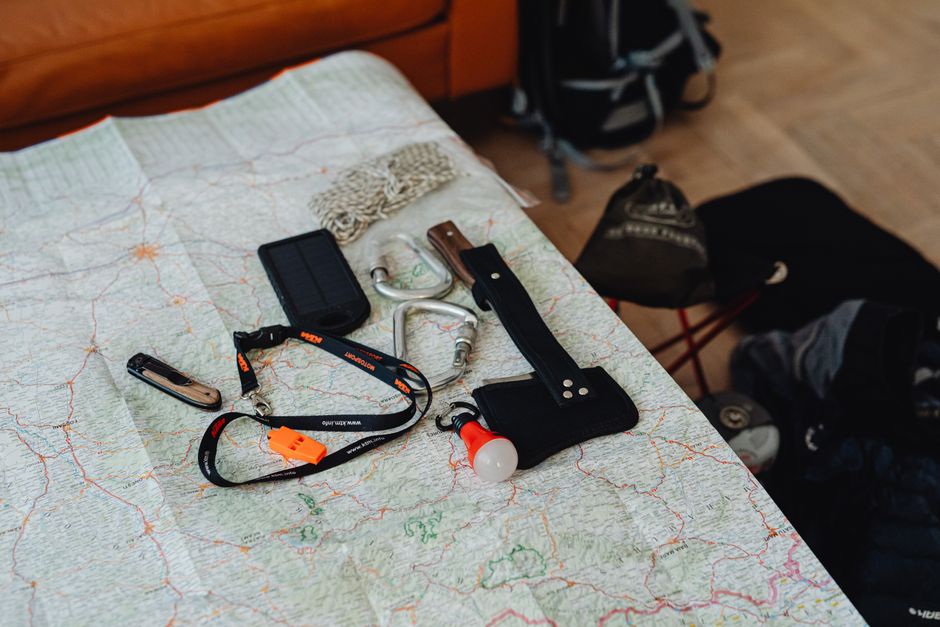
The right gear can significantly impact your adventure. A common error is overpacking; many travelers stuff their bags with unnecessary items, often weighing themselves down unnecessarily. Focus on packing only essential lightweight gear. Investing in high-quality, multi-purpose equipment allows you to travel lighter while ensuring you have what you need.
Develop your travel itinerary with specific gear based on your destination and activities. For mountain trekking, sturdy hiking bootsa waterproof jacketand a hydration system are essential. For kayaking, include a dry bag and any specialized equipment. Organized packing prevents stress and avoids last-minute purchases while away.
For a detailed list of essential items, check out my guide on Essential Adventure Travel Gear For Your Next Trip. This resource minimizes the chances of overpacking and ensures you are well-equipped.
Train Your Body: Physical Preparation
Your physical fitness level directly affects your adventure experience. You want to avoid being halfway through a hike and struggling to keep up. Engaging in a structured training routine before your trip is vital. This preparation enhances your ability to handle the challenges you’ll face.
Create a fitness plan tailored to your trip’s specific demands. If you’re hiking mountains, incorporate cardio and strength training. Activities like running, cycling, or swimming build endurance, while incorporating resistance training strengthens the muscles you’ll rely on during your expedition. Early preparation helps make the transition smoother when faced with outdoor challenges.

Prioritize Safety: Essential Tips
Preparation involves more than packing and physical fitness; it’s crucial to understand safety protocols specific to your adventure. Research the areas you’ll visit and educate yourself on potential risks, such as wildlife encounters, challenging terrain, or severe weather patterns. Familiarizing yourself with local hazards and emergency contacts enhances your overall security during your exploration.
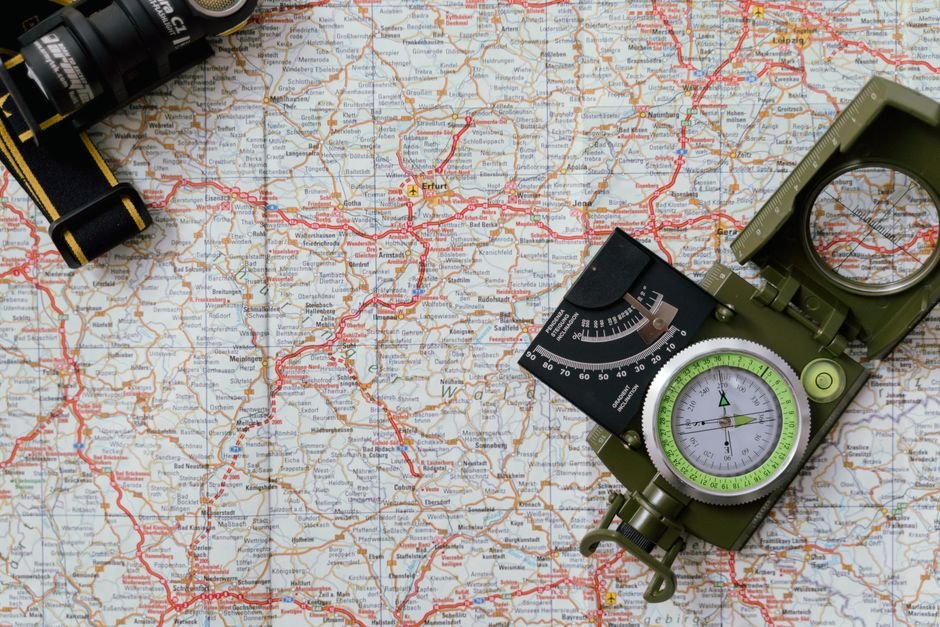
Integrating safety gear into your pack is important. Pack essentials like a first-aid kita reliable map and compass, and a personal locator beacon. Neglecting safety preparations can escalate minor mishaps into significant issues. Remember to learn basic navigation skills and first-aid techniques. Additionally, consider hiring local guides or attending safety courses available at your destination, the investment can be worthwhile.
Avoid Common Mistakes for a Better Experience
Even with the best intentions, it’s easy to make mistakes that can disrupt your adventure. One frequent issue is neglecting to test your gear beforehand. Many travelers pack what they believe is suitable equipment only to find mid-trip that their boots are uncomfortable or their tent leaks.
Another common oversight is underestimating the importance of rest and recovery during the trip. While you may feel strong, pushing yourself too far can lead to burnout or injury. Make sure to schedule downtime, allowing your body the opportunity to recuperate.
- Stick to essentials to avoid being weighed down by overpacking.
- Neglecting fitness can result in exhaustion during activities.
- Ignoring safety can lead to dire consequences.
Prepare for Success: The Verdict
How do you effectively prepare for an adventure trip? By selecting the right gear, focusing on physical fitness, and prioritizing safety protocols, you position yourself for a rewarding experience. Thoughtful planning and preparation reduce unexpected challenges that can detract from your enjoyment.
Effective preparation means fewer surprises. While adventures often come with their challenges, being ready can transform those moments into opportunities for personal growth. Travel wisely and embrace every moment of your journey! If you’re looking for more on how to prepare for an adventure tripthere are many resources available to guide you.
Our write-up on destinations for thrill seekers picks up where this leaves off.
Worth reading alongside this: next trip.
Frequently Asked Questions
What should I pack for an adventure trip?
Pack essential clothing suitable for the climate and activity, including moisture-wicking layers and durable footwear. Don’t forget to include a first-aid kit, navigation tools, food supplies, and hydration systems such as water bottles or hydration packs.
How do I prepare physically for an adventure?
Engage in a regular fitness routine focused on building strength, endurance, and flexibility relevant to the activities you’ll be doing. Incorporate exercises like hiking, cycling, or swimming to simulate the physical demands of your adventure.
What are the best safety tips for adventure travel?
Always inform someone of your travel plans and expected return time, and carry a reliable means of communication. Familiarize yourself with the local environment, and wear appropriate safety gear for your activities to reduce the risk of injury.
How can I save money on adventure travel gear?
Look for sales, discounts, or second-hand equipment from reputable sources to reduce costs. Additionally, consider renting gear for short-term use or borrowing from friends who may have what you need.
How to choose the right destination for adventure travel?
Consider your interests, physical fitness level, and the type of adventure you seek, such as hiking, climbing, or water sports. Research destinations that offer suitable activities, accessibility, and safety to ensure a fulfilling experience.



Leave a Reply