
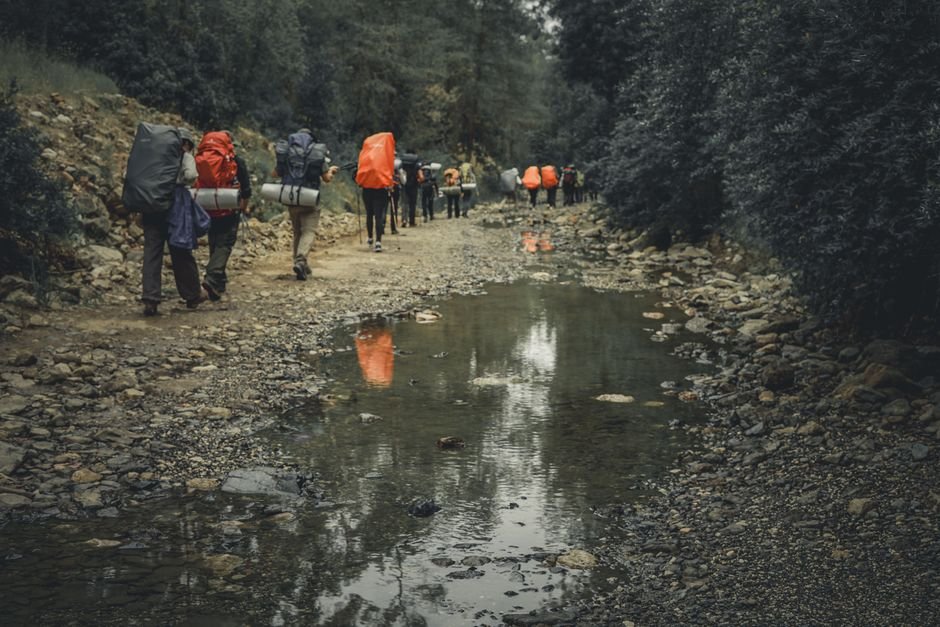
To effectively plan a multi-day adventure trip, start by outlining your route, ensuring it covers 10-15 miles each day based on your physical endurance. This strategic approach allows for proper packing and incorporating safety measures, ultimately enhancing your overall experience while avoiding common pitfalls.
One major mistake is underestimating the time required for hikes and activities. Allocating realistic timelines based on terrain and personal fitness levels is essential. Knowing your pace improves your overall experience by aligning expectations with reality.
Choose Wisely to Avoid Overpacking
Overpacking disrupts the hiking experience. A fully loaded backpack can weigh over 50% of your body weight, making every step more uncomfortable. Focus on multipurpose gear like a sleeping bag suitable for a range of temperatures to make the most of your limited space.
Creating a detailed gear checklist is invaluable. Opt for items that serve multiple purposes; for example, a lightweight jacket that provides warmth can also function as a rain cover. Ideally, keep your backpack under 30 pounds, enhancing mobility and minimizing fatigue throughout your journey.
Maintain Flexibility with Route Mapping
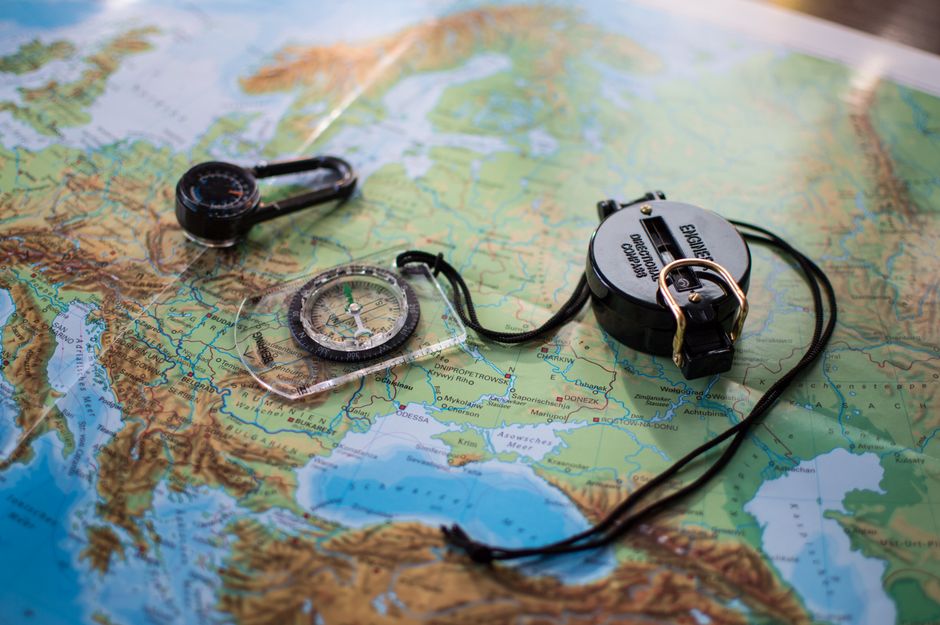
One key issue in planning is inflexible route selection. Conditions may change due to weather or personal energy levels, necessitating adjustments. Begin with a general route but allow for changes as needed. Utilize real-time mapping apps that offer alternative trails to adapt effectively.
Integrate rest days into your itinerary to recharge and explore surrounding areas. These days add spontaneity and make your adventure more enriching, allowing for unexpected highlights outside your planned route.
Develop a Realistic Itinerary
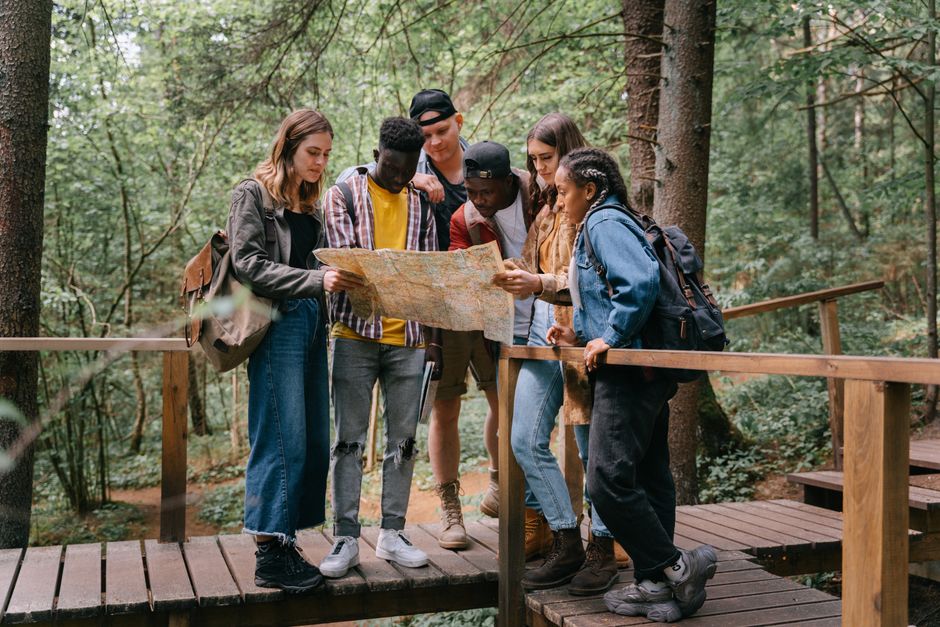
Your itinerary should reflect your physical capabilities along with the nature of the trails. A practical guideline is limiting daily hikes to 8-10 miles on rugged terrain where progress may be slower. This approach alleviates stress while providing ample time to appreciate your surroundings.
Also, consider meal preparation. Opting for dehydrated meals saves time and weight, but practice cooking ahead of time to ensure everything goes smoothly on the trail.
Prioritize Safety Measures
Safety is paramount in remote areas. A frequent oversight is underestimating emergency preparedness. Ensure you carry a first aid kit equipped with items specific to your needs, like blister treatments and personal medications.
Always inform someone outside your group about your plans, including expected routes and timelines. This simple step can be crucial in emergencies. A fully charged mobile phone or a satellite communication device is essential in areas without cell service.
Prepare for Success with Expert Tips
Embrace nature’s unpredictable rhythm. While it’s tempting to adhere strictly to your timeline, allowing for spontaneous stops can create some of the most meaningful moments. Flexibility, along with adequate preparation, forms the backbone of a successful adventure.
Being equipped with the right gear and planning sensible routes leads to a balanced, enjoyable experience. Prioritize essentials, remain adaptable, and keep your safety a top concern.
Final Verdict on Planning Your Adventure Trip
To experience a fulfilling multi-day adventure, focus on essentials and maintain flexibility in your route. Recognize the importance of safety and thorough planning, which can help you avoid pitfalls like overpacking and unforeseen challenges. With a proper strategy, your journey will not only be manageable but transformative.
Our write-up on destinations for thrill seekers picks up where this leaves off.
If that matters to you, our piece on packing tips for every goes further.
Frequently Asked Questions
What should I pack for a multi-day adventure trip?
When packing for a multi-day adventure trip, include essentials like a tent, sleeping bag, and cooking gear. Also, pack adequate clothing for varying weather conditions, food supplies, a first aid kit, and navigation tools.
How do I choose a route for an extended hike?
To choose a route for an extended hike, consider factors such as trail difficulty, scenery, water access, and the expected duration. Use resources like topographic maps, trail apps, and reviews from other hikers to identify a suitable trail that matches your skill level. Additionally, learn more about how to plan a multi-day adventure trip to enhance your experience further.
Can beginners plan a multi-day adventure trip?
Yes, beginners can definitely plan a multi-day adventure trip by starting with well-marked trails and shorter distances. It's advisable to research thoroughly, choose easier routes, and possibly go with experienced hikers for guidance.
Why is pre-trip conditioning important?
Pre-trip conditioning is crucial as it prepares your body for the physical demands of hiking multiple days in a row. Building endurance and strength beforehand helps prevent injuries and ensures you enjoy the trip.
How to ensure safety on a multi-day hiking trip?
Ensure safety on a multi-day hiking trip by preparing adequately with a detailed plan, carrying a first aid kit, and informing someone about your itinerary. Additionally, familiarize yourself with the area, bring sufficient supplies, and stay vigilant about weather conditions.



Leave a Reply