

Troubleshooting issues with trekking poles is essential for maintaining their performance, as nearly 30% of hikers experience problems like unexpected collapses or broken tips. Understanding how to address these common challenges can not only save your hike but also prolong the life of your equipment. Here are seven frequent problems with trekking poles and effective solutions to resolve them.
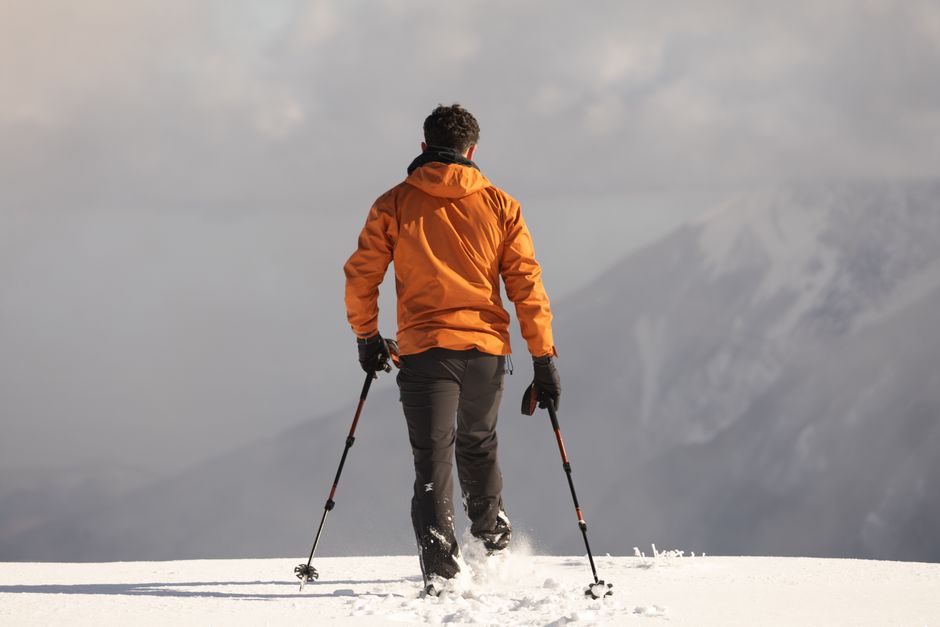
1. Collapsing Trekking Poles
A sudden collapse of your trekking poles during a hike is frustrating. This usually happens when the locking mechanism malfunctions. Regularly check the lock for debris or dirt, which can hinder its function. A quick cleaning or tightening may resolve the issue. For travelers, inspecting the mechanism when packing your poles is wise, as even minor vibrations can loosen them.
If a pole collapses in the field, wrap duct tape around the area below the locking mechanism. This temporary fix will hold it in place until you can make more permanent repairs.
2. Worn Out Tips
The tips of trekking poles, often made from rubber or carbide, wear out over time and can become smooth, losing grip on rugged surfaces. If slipping becomes frequent, it’s time to replace your tips, which are typically inexpensive and available at hiking stores. Carry a spare set during hikes for quick replacements.
Keep a small toolkit in your backpack for minor repairs. This foresight keeps you moving efficiently on the trail.
3. Binding Locks
Difficulty in extending or locking your trekking poles often results from binding locks, which happen when dirt gets stuck in the locking mechanism. Regular cleaning of the locks is vital for smooth operation. A small brush can effectively remove debris from these areas. Additionally, applying silicone spray can enhance the locking mechanism’s functionality; just make sure to wipe off any excess to avoid slippage.
4. Bent Poles
Bending can occur if excessive force is applied while climbing steep inclines or during falls. Minor bends can be rectified on-site by gently straightening the pole using a sturdy tree or rock. However, severe bends may necessitate professional repairs or replacement.
If you frequently hike rocky trails, consider investing in reinforced aluminum poles for increased durability.
5. Incorrect Adjustments
Improper length adjustments can lead to discomfort during hikes. Set the poles at a height that keeps your elbows at a 90-degree angle while holding them. Adjust before beginning your hike to match your height and the terrain’s incline, as correct adjustments can significantly reduce energy expenditure on longer treks.
It’s advisable to reassess your pole height periodically during your hike to prevent strain and enhance walking pace.
6. Weight Distribution
Many hikers underestimate the effect of an uneven load on trekking poles. An unbalanced backpack can disrupt your stability and improperly stress your equipment. Ensure your gear is evenly distributed to maintain balance. Packing cubes can help organize and balance your load effectively.
7. Choosing Between Adjustable and Fixed Poles
This decision can be challenging for hikers, especially novices. Adjustable poles are versatile for various terrains and can compress for storage, whereas fixed poles tend to be lighter and sturdier, which is advantageous on long treks. If you hike in diverse terrains, adjustable poles are preferable, but fixed poles may suffice for consistent trail hikers.
Before purchasing, reflect on your primary hiking activities. Consulting experienced hikers or professionals at outdoor stores may provide valuable insights.

Proactive Solutions for Trekking Pole Issues
Addressing common trekking pole issues involves proactive measures. Regular maintenance, correct adjustments, and choosing the appropriate type can prevent most headaches. Always have a toolkit ready and don’t hesitate to perform minor repairs on the trail. Your poles will deliver better performance and durability in return.
Being prepared with effective solutions enhances your hiking experience significantly.
See also our take on adventures for outdoor.
See also our take on adventures for outdoor.
Frequently Asked Questions
Why does my trekking pole keep collapsing?
Your trekking pole may keep collapsing due to improper locking mechanisms or dirt and debris in the pole sections that prevent them from locking securely. Additionally, if the pole is made of lower-quality materials, it may not withstand the stress of use, leading to collapse.
How can I fix a broken trekking pole tip?
To fix a broken trekking pole tip, you can often replace it with a new tip that fits the specific model of your pole. If the pole tip is removable, simply unscrew it and attach the new one; if not, you may need to use a strong adhesive or epoxy to reconnect it.
Are adjustable or fixed trekking poles better?
The choice between adjustable and fixed trekking poles depends on personal preference and intended use. Adjustable poles offer versatility for varying terrain and user height, while fixed poles are often lighter and may provide more stability.
Can trekking poles be repaired at home?
Yes, many trekking pole issues can be repaired at home, such as replacing tips, fixing loose grips, or tightening locking mechanisms. For more complicated repairs, like structural damage, it may be better to consult a professional or replace the pole.
What materials are best for trekking poles?
The best materials for trekking poles are typically aluminum for durability and weight, or carbon fiber for lightweight and shock absorption. Each material has its advantages, so choose based on your hiking needs and preferences.




Leave a Reply