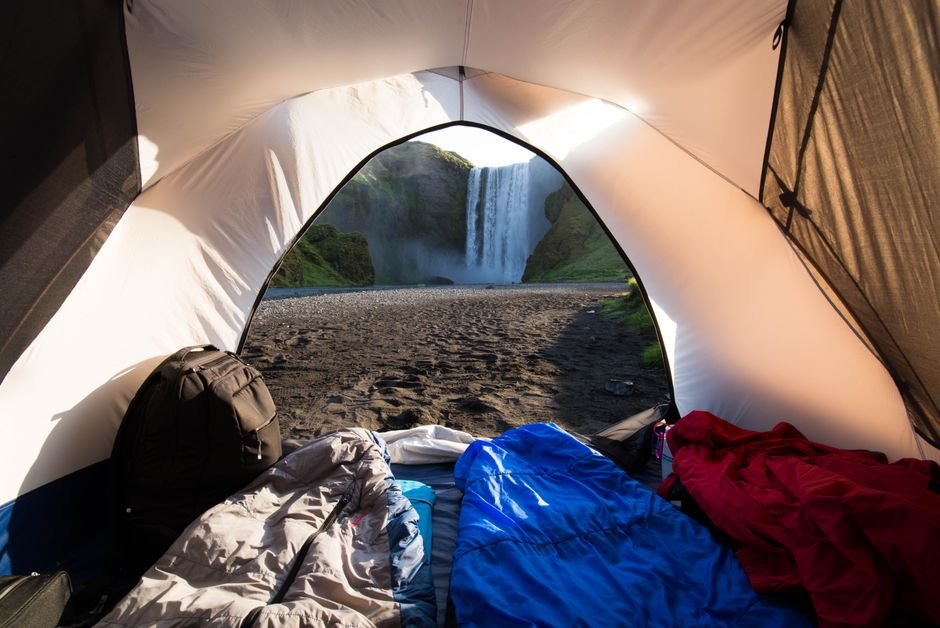
Choosing the right sleeping bag can make or break your camping experience. You might lose sleep over whether you’ll be warm enough when the temperature dips. It’s crucial to pick a bag that fits your needs, or you might find yourself shivering all night in the great outdoors.
There are so many options on the market that it gets overwhelming. If you don’t know what to look for, you could end up with a bag that is either too bulky for your backpack or not warm enough for the conditions you’ll face. Here’s how to choose a sleeping bag for camping that will help ensure a good night’s rest.
Don’t Get Stuck on the Temperature Rating Alone
While it’s tempting to only focus on the temperature rating of a sleeping bag, you must consider the conditions you’ll actually encounter. The bag’s temperature rating is often based on ideal conditions, so it’s wise to add a buffer. If you expect temperatures to drop to 30°F, consider a bag rated for 15°F to be safe. This is a common misstep; many people rely solely on the lowest rating and overlook their unique environment. Don’t make the mistake of underestimating how cold it can get at night.
Knowing what temperature you’ll face is half the battle. However, consider your personal comfort preferences, too. If you tend to feel cold easily, it may be best to reach for that lower-rated bag for an extra layer of warmth.
Skip the Generic Designs
The shape of your sleeping bag is just as vital as its temperature rating. Many newcomers overlook this and opt for the most common rectangular design. While these offer roominess, they aren’t always the best in retaining heat. I recommend the mummy shape for serious campers. It hugs your body, insulating you better and conserving warmth.
Don’t overlook features like hoods and draft collars. A bag with a well-designed hood can make a significant difference on chilly nights, keeping heat from escaping. Remember, warmth and mobility are two sides of the same coin, find a bag that strikes that balance for you.
Evaluate Sleeping Bag Materials Carefully
When examining sleeping bag materials, you’ll find two main types of insulation: down and synthetic. Each comes with its own benefits, so consider your needs. Down sleeping bags are lightweight and compressible, making them a top choice for backpacking trips, but they perform poorly when wet. If you’re camping in moist conditions, synthetic insulation could be a better choice due to its ability to retain warmth even when damp.
However, don’t assume that down is automatically the better option. I have found synthetic bags to be more affordable, and they tend to be easier to clean. It’s essential to consider not just the material but also how you plan to use your bag.

Understand Packability and Weight Trade-offs
If you’re backpacking, the size and weight of your sleeping bag are critical factors. Some high-performance bags excel in warmth but can be bulky, which is not ideal for carrying long distances. Check the weight specifications to determine if it will fit comfortably in your pack.
A rule of thumb is that a sleeping bag weighing less than 3 pounds is generally manageable for backpacking. More compact bags can be a bit pricier, but I believe that saving space and weight is worth investing in a high-quality sleeping bag if you plan to hike with it extensively.
Avoid Common Mistakes
Many enthusiasts find themselves making the same mistakes repeatedly. One primary error is ignoring the importance of a sleeping bag linerespecially in wet conditions. If you’re in a tent, moisture can build up, and a liner can protect your bag from soaking up that dampness. A simple, lightweight liner can increase your bag’s insulation and make it easier to clean too.
Another frequent oversight is not trying out sleeping bags when shopping. If possible, lie down in the bag to see how it fits. A bag can look excellent on a store shelf, but if it feels cramped or too bulky when you’re attempting to curl up, it’s not the right fit for you.
Choosing Between Different Styles and Features
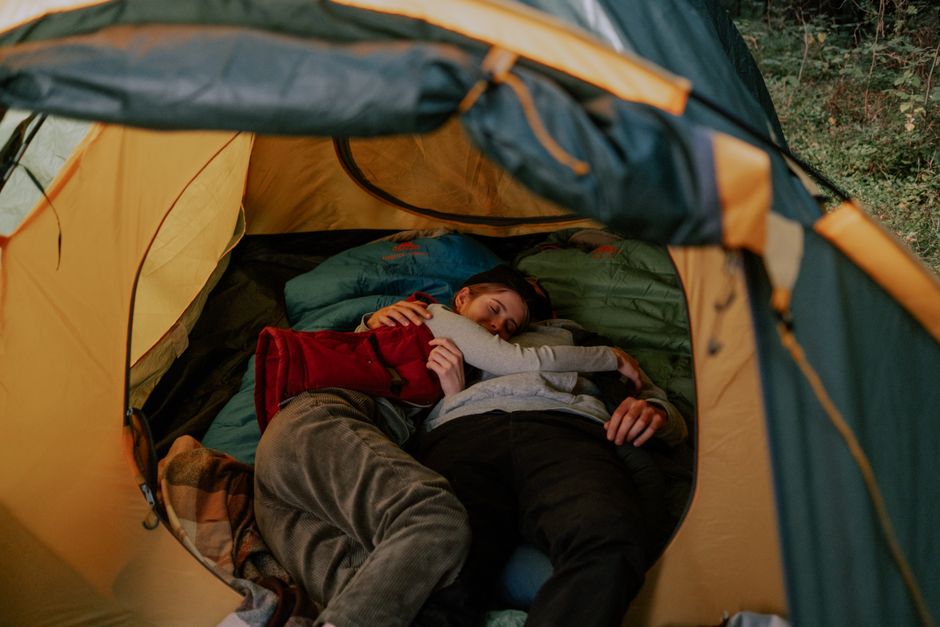
After you’ve zeroed in on insulation type and shape, consider the features you’ll definitely want. Zippers are often the first thing that come to mind. A two-way zipper can offer flexibility in ventilation, especially on warm summer nights. If you like to share warmth with a partner, models designed to zip together are perfect for that.
Additionally, consider storage pockets. They’re handy for keeping small essentials like a flashlight or snacks within reach. This can even influence your decision on what sleeping bag to choose if you’re camping with limited travel space.
My Recommendations
When selecting your sleeping bag, I advise prioritizing quality over cost. Two models I’ve found worth every penny are those that balance insulation, packability, and comfort effectively. If you’re also figuring out what tent to pair with your new bag, take a look at my guide on 2 Person Tent vs Hammock Tent for some practical insights.
It’s essential to establish your criteria based on your camping habit. If you’re a casual camper, you can afford to be less picky. However, for anyone planning to camp in varied and extreme conditions, skimping on quality can lead to long nights out in the cold and discomfort. As a reference, check out how to choose a sleeping bag for camping proven to be effective in various conditions.
See also our take on shell luggage.
Frequently Asked Questions
What temperature rating do I need for a sleeping bag?
The temperature rating indicates the lowest temperature at which the sleeping bag will keep you warm. Choose a sleeping bag rated for at least 10-15 degrees lower than the expected nighttime temperatures during your camping trip to ensure adequate insulation.
Why is the sleeping bag shape important?
The shape of a sleeping bag affects its warmth, weight, and comfort. Mummy-shaped bags are more thermally efficient and lightweight, while rectangular bags offer more room to move, but tend to be bulkier and less effective at retaining heat.
Can I use a regular sleeping bag for winter camping?
A regular sleeping bag may not provide sufficient insulation for winter camping, as it might lack the necessary temperature rating and features to keep you warm in freezing conditions. It's advisable to use a sleeping bag specifically designed for winter use, which often has additional insulation and draft protection.
How does insulation type affect sleeping bag performance?
Sleeping bags come with either synthetic or down insulation, which significantly impacts their performance. Down insulation offers excellent warmth-to-weight ratios but requires careful storage and is less effective when wet, while synthetic insulation retains warmth when damp and is often more affordable.
Is a sleeping bag liner necessary for camping?
While a sleeping bag liner is not strictly necessary, it can enhance warmth, keep your sleeping bag clean, and add a layer of comfort. Liners are particularly useful in extending the life of your sleeping bag and adjusting the temperature depending on the conditions.



Leave a Reply