
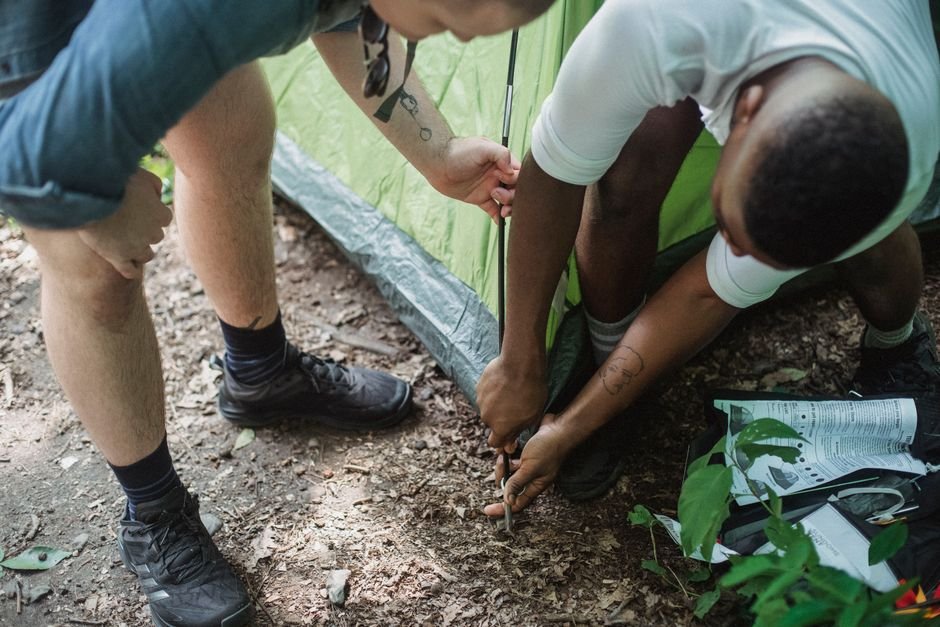
To learn how to set up a tent effectively, start by selecting a flat, dry area that's at least 10 feet by 10 feet for optimal stability. Many campers struggle with tent poles and uneven surfaces, but following a simple systematic approach can transform a potentially frustrating task into a seamless setup, ensuring a more enjoyable camping experience.
Knowing how to set up a tent effectively can be the difference between a comfortable oasis and a night spent worrying about the wind.
After years of camping, I’ve learned that the right preparation and awareness of your environment can simplify the setup process significantly. Here’s a breakdown of the steps you should take to set up a tent successfully, ensuring that you can focus on your camping experience instead of a complicated assembly process.
Choosing the Right Tent Site
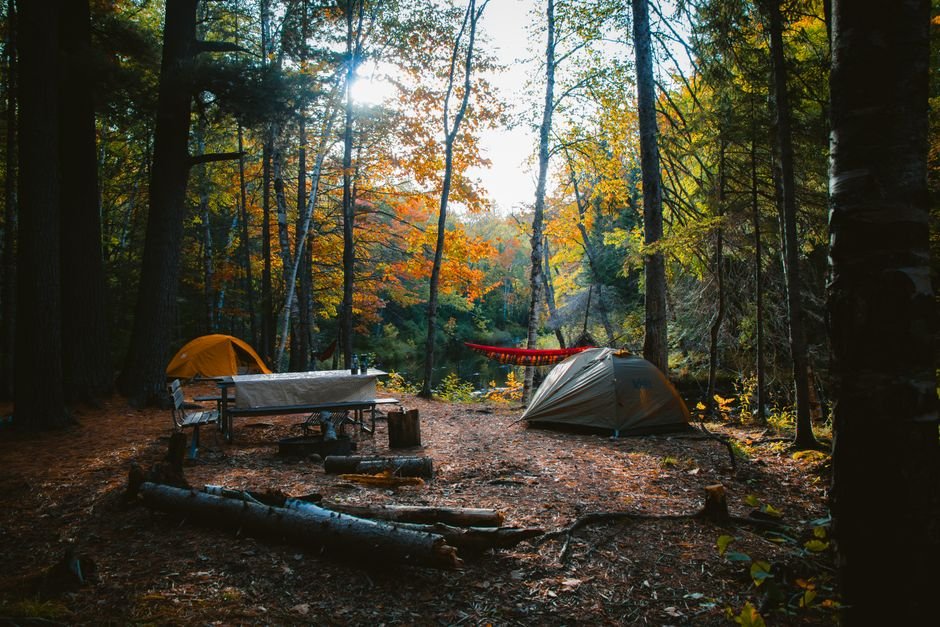
The first step, perhaps the most overlooked, is selecting an appropriate camping spot. A flat area is best, as it allows your tent to sit evenly, preventing water pooling during rain. Look for a spot that’s higher than the surrounding land to ensure runoff doesn’t gather at your tent base.
But don’t stop there; also look for natural windbreaks like bushes or trees that can protect your tent from harsh weather conditions.
Keep in mind the ground surface. Rocky or uneven surfaces can hinder your tent’s stability. I’ve made the mistake of setting up on too close to roots, which not only made for an uncomfortable sleep but also damaged the tent floor. Place your tent on a footprint or tarp to protect the floor from abrasions and moisture, adding another layer of comfort.
Lastly, don’t forget to consider proximity to potential hazards such as dead trees, which can drop branches in strong winds. Always prioritize safety alongside convenience.

Assembling Your Tent: Step-by-Step
Now that you’ve chosen the perfect spot, it’s time to gather your equipment. Make sure to have your tent packed properly; I find it easiest to keep a checklist of all components: tent bodyrainfly, poles, stakes, and guylines. The last thing you want is to discover you’ve left out a vital part.
If your tent has multiple sections, take the time to lay everything out so it’s accessible and not tangled, saving you valuable time when it’s windy or dark.
Begin by unfolding the tent body and laying it out flat in your designated site. Assemble your tent poles next, which often require snapping into place or sliding into sleeves. If you’re using modular poles, be careful to match them with the correct locations on your tent.
My biggest frustration has often come from misreading the instructions while under stress, so I always encourage others to read them ahead of time.
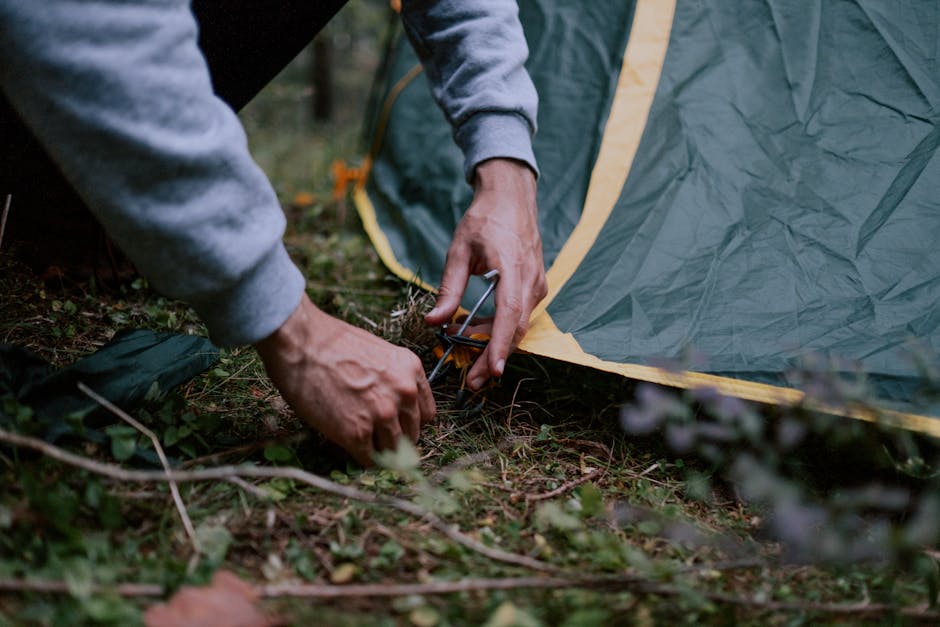
Next, insert the poles into their respective connectors on the tent corners. Once the basic frame is up, pull the tent body taut, then secure it with tent pegsensuring that you drive them at a 45-degree angle. This will provide better support against wind.
If you’re in an area known for high winds, consider using additional stakes or guylines on the tent’s rainfly for extra stability. This will keep your tent grounded during unexpected gusts. Trust me; it saves you from the terrifying experience of watching your tent attempt to launch into the sky.
Securing the Tent in Challenging Conditions
Once your tent is up, focus on securing it based on your anticipated weather conditions. If you expect rain, ensure that your rainfly is properly attached and taut, as puddles forming on a sagging rainfly can lead to leaks. A useful trick is to set up a small space beneath the rainfly, using it to store gear in case of sudden weather changes.
Windy conditions demand extra care. Consider setting up a barrier with your gear or using rocks as additional weight at the base of your tent pegs. I’ve found that using heavier stakes, those designed for sandy or soft soil, affords the best stability. Avoid using lightweight stakes in such situations as they often pull out too easily, leaving your tent exposed.
Efficient Packing and Carrying of Your Tent
The last step in successful tent setups often goes unnoticed: how to pack it back up. When dismantling, ensure you wipe down the tent to remove any moisture, as this helps prevent mold and damage. I always fold the tent, poles, and stakes neatly, so they fit back into the bag without hassle.
Rolling it tightly prevents unnecessary wear and keeps it organized for the next adventure.
Consider investing in a storage bag with straps or padding if you plan to carry your tent on longer journeys. It makes transportation easier and reduces the chance of losing smaller components during travel. Many people underestimate the importance of good carrying gear. I’ve learned the hard way that a poor choice leads to forgotten stakes and patches.
Camping is about enjoying the outdoors, not battling with your gear. By understanding how to set up a tent efficiently, you can ensure your focus remains where it belongs: enjoying time with friends and family while creating lasting memories.
Worth reading alongside this: person tent.
Frequently Asked Questions
What tools do you need to set up a tent?
To set up a tent, you'll typically need tent poles, stakes, and guy lines. Having a mallet or hammer can help drive the stakes into the ground, and some tents may also require a footprint or ground tarp for added protection.
Why is my tent not staying up?
Your tent may not be staying up due to improper pole assembly, insufficient staking, or missing guy lines. It's important to ensure that all poles are correctly inserted and secured, and that the tent is staked down firmly to the ground.
How to set up a tent in windy conditions?
In windy conditions, try to set up your tent by orienting it with the smaller side facing into the wind. Use additional stakes and guylines for extra stability, and consider using heavier objects or rocks around the base to weigh it down.
Can you set up a tent on sand?
Yes, you can set up a tent on sand, but it may require some adjustments as stakes might not hold as securely. Using sand anchors or heavy weights can help secure the tent in place and prevent it from blowing away.
Is it better to set up a tent on high ground?
Setting up a tent on high ground can be beneficial as it may help avoid water pooling during rain. However, be cautious of wind exposure; ensure the site is sheltered from strong gusts to maintain stability.




Leave a Reply