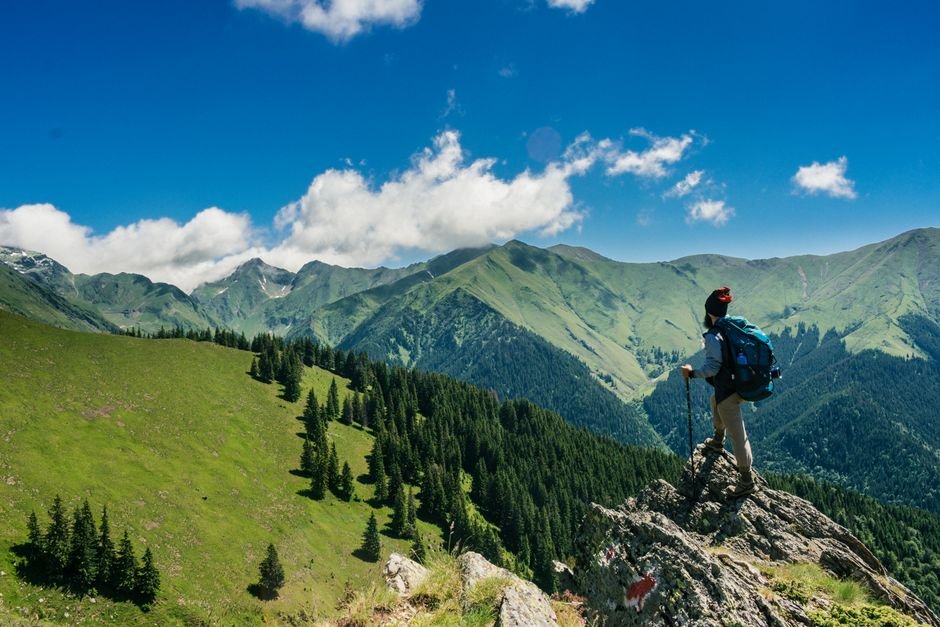
Adventure travel insurance for hiking is essential as it provides financial protection against potential medical or evacuation costs that can reach up to $100,000 in the event of an accident. Specialized coverage is crucial for hikers, safeguarding against unique risks and ensuring your adventure remains enjoyable, regardless of unforeseen circumstances.
A common misconception is that standard travel insurance suffices for hiking. However, about 70% of typical policies exclude high-risk activities, leaving you unprotected if an emergency arises. In contrast, adventure travel insurance includes essential coverage like emergency medical expenses, trip cancellation, and evacuation costs, tailored specifically for outdoor enthusiasts.

Why Hikers Need Special Insurance
Many hikers underestimate the need for tailored insurance until it’s too late. Standard health insurance may cover basic medical costs but often falls short for extreme activities. For instance, hospitals in foreign countries may not accept your insurance for a hiking-related injury.
A hiking-specific policy covers not only hospital bills but also rescue operation expenses, which can reach up to $50,000 for a helicopter rescue in mountainous areas.
Additionally, trail conditions can change rapidly, leading to accidents. Many adventure insurance policies address technical risks, such as altitude-related illnesses, not typically included in standard plans. It’s vital to ensure you won’t be caught off guard by exclusions related to high-altitude hiking or other specific activities.
Key Coverage Options for Hiking Insurance
When selecting adventure travel insurance for hiking, scrutinize the policy’s coverage limits and terms. Emergency medical coverage is essential; seek plans that offer at least $100,000 in benefits, adequate for most hospital stays abroad, where costs can skyrocket.
Trip cancellation coverage is equally important. If something unplanned prevents you from attending your hike, like an injury or family emergency, this benefit helps recover your costs. Insurers define their own parameters for cancellations, so ensure you’re clear on what scenarios are included.

Policy Limitations
Before purchasing a policy, scrutinize the fine print. Not all adventure policies are equal, and you could face frustrations if your needs aren’t met. A common concern is the handling of pre-existing conditions; many insurers impose strict regulations on these. Confirm if your coverage applies if you or anyone on your trip has a known health issue.
Another crucial aspect to consider is whether the policy covers the specific activities you plan to undertake. For instance, if you’re joining a multi-sport expedition that includes climbing, ensure your insurance covers all relevant sports and isn’t limited to general hiking. Certain policies might exclude technical mountaineering or rock climbing.
Choosing a Trusted Insurer
Selecting the right insurance provider can be overwhelming, but there are methods to simplify your choice. Start by checking reviews and ratings to assess each company’s reputation. Look for insurers specializing in adventure travel. These companies typically offer better coverage tailored to the unique risks of your activities.
Leverage online comparison tools to discern differences between policies. Focus on both coverage limits and included activities. Avoid the trap of choosing solely based on price; prioritize quality in coverage.
Avoiding Common Mistakes
A frequent pitfall is thinking about travel insurance only after you’ve booked the trip. Coverage is most effective when purchased soon after your initial trip payment, maximizing your cancellation benefits as some insurers offer broader options for early changes.
- Failing to read the fine print can change everything.
- Purchasing based solely on price overlooks essential coverage benefits.
- Ignoring exclusions can lead to costly surprises, confirm what is not covered.
Another mistake is neglecting to consider your planned activities. Complex itineraries may require specialized coverage that standard policies do not encompass. You wouldn’t want denial of coverage for something as critical as medical evacuation simply because you strayed from the standard hiking trail.
Final Verdict: Is It Worth It?
Investing in adventure travel insurance for hiking is a necessary step to safeguard your trip and finances. For budget-conscious travelers, the cost of comprehensive insurance often outweighs potential medical or evacuation bills, which can escalate into tens of thousands of dollars. For those serious about outdoor adventures, this is a decision worth making.
Prepare for the worst while enjoying peace of mind throughout your exciting journey. For more insights, check this guide on adventure travel insurance.
Frequently Asked Questions
What does hiking travel insurance cover?
Hiking travel insurance typically covers medical expenses due to injuries sustained while hiking, trip cancellations, and lost or stolen gear. It may also include provisions for search and rescue operations if an accident occurs.
How is adventure travel insurance different?
Adventure travel insurance differs from standard travel insurance by including coverage for activities that are considered higher risk, such as mountaineering, rock climbing, or off-piste skiing. This type of insurance often has specific policies tailored to ensure safety during adventurous outdoor activities.
Can I get insurance for high-altitude hiking?
Yes, many travel insurance providers offer specific policies for high-altitude hiking, but it’s essential to check the coverage limits beforehand. Some policies may require riders or additional coverage for hikes above a certain elevation, often around 12,000 feet.
Is emergency evacuation covered in hiking insurance?
Emergency evacuation is typically covered by hiking insurance, provided it is deemed necessary due to a medical emergency or extreme circumstances. However, it is crucial to verify the specific terms of the policy, as coverage limits and conditions can vary.
Why is specialized hiking insurance necessary?
Specialized hiking insurance is necessary because regular health insurance may not cover injuries sustained during hiking activities, especially in remote locations. It also ensures you have access to tailored protections, like emergency evacuations and rescue operations, that standard travel insurance may not provide.



Leave a Reply