
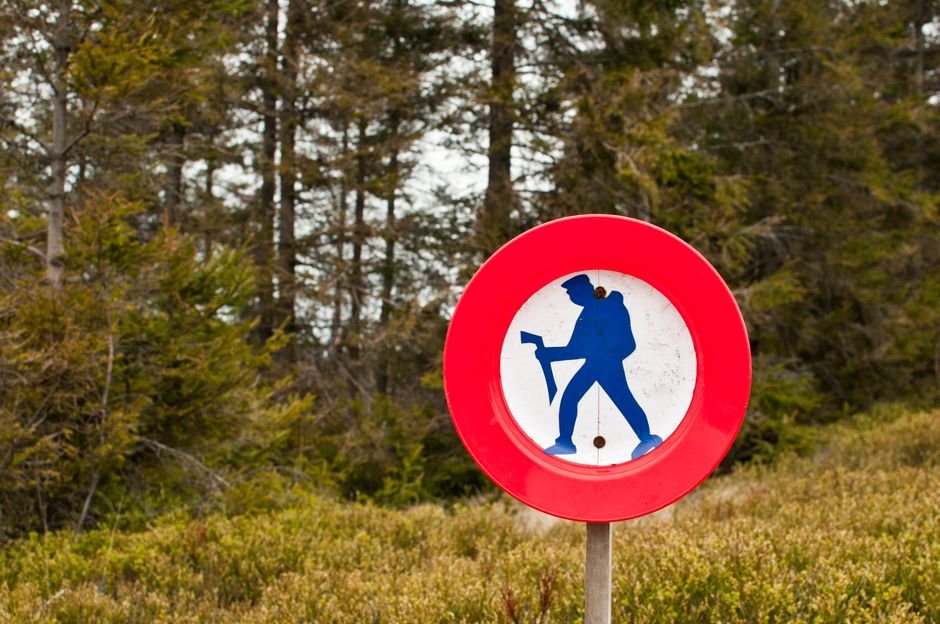
Buffer zones for hiking safety typically extend from 50 to 300 feet and are crucial in minimizing wildlife encounters and increasing trail clarity. By establishing these zones, hikers can enjoy a safer and more rewarding experience while significantly reducing the risks associated with overcrowding and navigation issues.
Through countless hikes across diverse terrains, I’ve observed how critical these buffer zones are for enhancing safety and enjoyment on the trail. Grasping their importance can enhance your hiking experience, whether you’re preparing for your first hike or are a seasoned enthusiast.

Wildlife Interaction Zones: Keeping a Safe Distance
Wildlife interaction zones are designed to limit encounters between humans and animals, effectively placing a protective barrier that ranges from 50 to 300 feet from trails in wildlife-heavy regions. These zones are often marked by signs in national parks or protected wildlife areas, allowing both hikers and wildlife to coexist safely. Maintain your distance; approaching wildlife can provoke defensive reactions and compromise your safety.
Trail Widening Buffers: Enhancing Navigation
Trail widening buffers extend 10 to 20 feet on each side of popular paths, addressing high foot traffic and minimizing erosion. The additional space allows hikers to pass each other safely and enjoy a clearer view of trail markers, significantly aiding navigation during busy hiking seasons. Familiarize yourself with trail maps beforehand and note key junctions to avoid losing your way.
Erosion Control Areas: Safety and Preservation
Designated erosion control areas protect the integrity of the trail, especially in steep or vulnerable sections. These buffer zones help prevent slips and falls by encouraging hikers to remain on marked paths, thereby ensuring both safety and environmental preservation. Invest in sturdy hiking boots with good grip to safely navigate these potentially hazardous areas.
No-Camping Zones: Maintaining Wilderness Integrity
No-camping zones, usually extending 200 feet from trails or water sources, prevent the establishment of campsites, enabling hikers to traverse trails without encountering crowds. This practice maintains a sense of wilderness and reduces noise distractions associated with camping too close to the trail. Research designated camping areas to enhance your experience while respecting these boundaries.
Hazard-Protection Buffers: Staying Safe from Risks
Hazard-protection buffers, which range from 30 to 100 feet, are established in areas with known hazards like rock slides or steep cliffs. Such zones not only mark dangerous areas but also allow hikers to appreciate scenic views from a safe distance. Always heed posted warnings to stay informed about potential risks you might encounter along the trail.

Natural Resource Conservation Areas: Respecting the Ecosystem
These specialized buffer zones extend 100 feet or more from the trail to protect specific flora and fauna, enabling wildlife observation without disturbance. Respect for these areas is paramount to maintain ecosystem health and personal safety. Use biodegradable soap and practice waste reduction to minimize human impact on these delicate environments.
Emergency Access Pathways: Essential Safety Routes
Designated emergency access pathways run parallel to official trails, providing essential routes for rescue personnel during emergencies. Familiarity with these access points can offer peace of mind when hiking in remote areas. Make it a point to know the locations of nearby emergency routes before embarking on lengthy hikes, this knowledge can save critical time in emergencies.
Selecting the Right Trail: Prioritize Your Safety Needs
When choosing a hiking trail, prioritize those with buffer zones that align with your specific concerns, whether it’s avoiding wildlife encounters or crowded paths. Carefully review maps and descriptions to ensure a safe and enjoyable hiking experience. Understanding local regulations regarding buffer zones varies by location and is vital for both personal safety and environmental stewardship.
Final Verdict: Prioritize Trails with Clear Buffer Zones
Buffer zones are not just markers but integral components of a safer hiking experience. Trails with established wildlife interaction zones are ideal for those looking to avoid close encounters. If solitude is your priority, choose paths with no-camping zones or erosion control areas. For a secure hiking experience, thoroughly research before you head out and always keep safety as your foremost consideration. Buffer zones for hiking safety provide essential guidelines to enhance your adventure.
Related reading: backpack vs hiking.
Related reading: backpack vs hiking.
Frequently Asked Questions
What are buffer zones in hiking?
Buffer zones in hiking refer to designated areas along trails that create a safe distance from potential hazards, such as steep cliffs, water bodies, or wildlife encounters. These zones are often marked to indicate where hikers should maintain caution.
How do buffer zones enhance hiking safety?
Buffer zones enhance hiking safety by providing a physical separation between hikers and potential dangers, reducing the risk of falls, injuries, or unwanted wildlife interactions. By maintaining a safe distance, they help create a more secure hiking environment.
Why are buffer zones important for hikers?
Buffer zones are important for hikers as they help to minimize risks associated with unexpected hazards that can occur on the trails. They ensure that hikers can enjoy their experience without being in immediate proximity to dangerous areas.
Can buffer zones prevent accidents on trails?
While buffer zones cannot completely prevent all accidents on trails, they significantly reduce the likelihood of incidents by keeping hikers away from known hazards. Their implementation promotes safer hiking practices and encourages awareness of surroundings.
How to identify buffer zones on a hiking map?
Buffer zones can typically be identified on hiking maps by looking for specific markings, such as shaded areas or boundary lines, that indicate the safety margins around hazards. It’s important for hikers to familiarize themselves with these designations before setting out on a trail.







Leave a Reply