
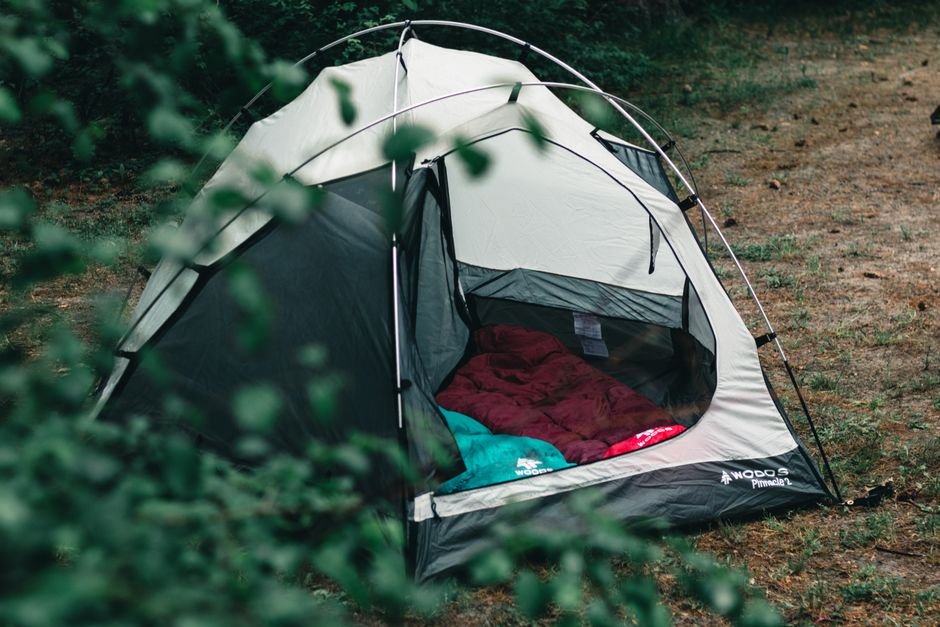
To learn how to stay warm in a sleeping bag, choose one with a comfort rating appropriate for the lowest expected temperatures, as many 20-degree Fahrenheit bags lose effectiveness below that. Understanding your gear, such as using liners or insulated pads, can further boost warmth. Implementing these strategies will ensure you remain cozy during your outdoor adventures on cold nights.
A chilly night inside your sleeping bag often results from inadequate insulation, drafts, or improper clothing. No matter if you’re camping in January in the Rockies or during a cool night in the Sierra Nevadas, these strategies can help keep you cozy.
Sleeping Bag Temperature Ratings
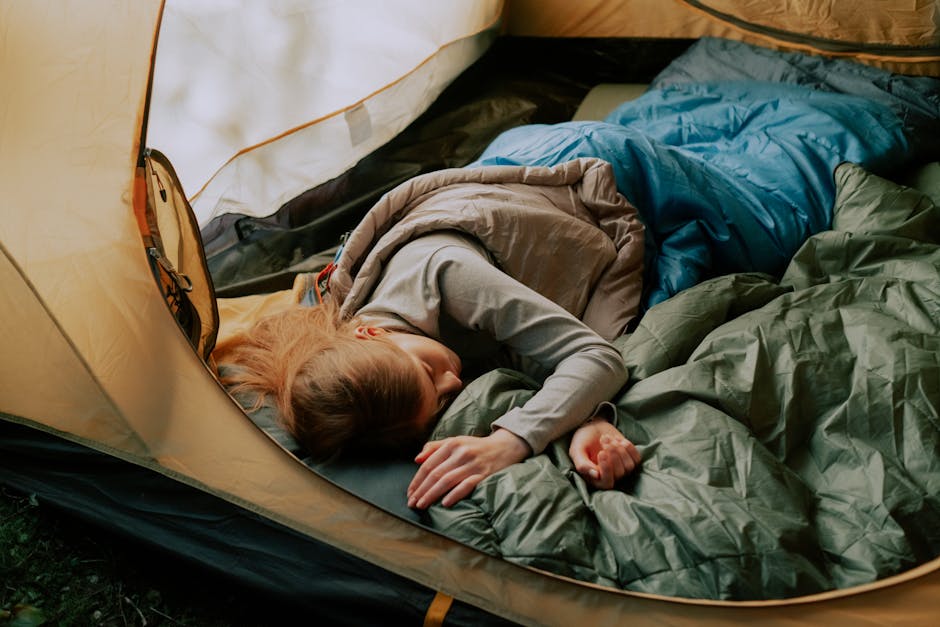
Many people mistakenly assume that a sleeping bag’s temperature rating guarantees warmth. These ratings are derived from controlled lab tests, not the variable conditions of the outdoors. Recognize the distinctions between comfort ratings, limit ratings, and extreme ratings: the comfort rating is the lowest temperature where most people sleep well, while the limit rating indicates the coldest temperature one can tolerate.
Extreme ratings show how cold you can potentially endure without hypothermia risk, but comfort at these levels is unlikely. If you’re camping frequently in lower temperatures, invest in a three-season sleeping bag or one with a fill power rating of 600 or higher for enhanced insulation.
Choosing the Right Sleeping Bag
The fill material of your sleeping bag is a key factor in warmth. Down insulation boasts an excellent warmth-to-weight ratio and is compressible, which is advantageous for cold conditions. However, it loses effectiveness when wet. For wetter environments, synthetic insulation, which retains warmth better when wet, is a more reliable choice.
Also, seek sleeping bags equipped with heat-trapping features like draft collars, adjustable hoods, and zipper baffles. Incorporating a sleeping bag liner can significantly reduce heat loss and provide an additional layer of insulation. Careful selection regarding the bag’s design and materials can greatly enhance warmth during colder seasons.
Maximizing Your Sleep System
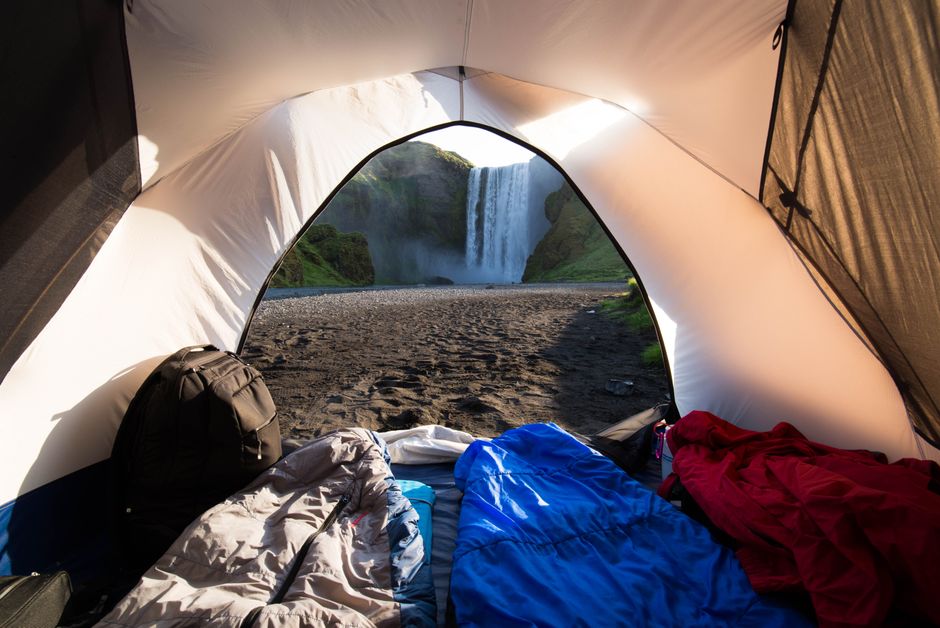
Your sleeping bag is a crucial part of your overall sleep system. Pairing it with an appropriate sleeping pad is essential; cold ground temperatures can quickly drain your body heat. A sleeping pad with a high R-value, ideally 4 or above, provides better insulation, greatly impacting your warmth and comfort level.
Wear the right thermal clothing inside your sleeping bag. Moisture-wicking long underwear made from Merino wool or synthetic fabrics is preferred. Avoid cotton as it retains moisture, leading to a colder night. Accessories like a beanie and warm socks can provide additional insulation, but make sure they are not too thick to impede blood circulation.
Preventing Drafts
Drafts are a subtle but significant source of heat loss. If your bag has a two-way zipper, be mindful of your zipper positioning to maximize warmth retention. Choosing the right size sleeping bag helps reduce drafts; it should fit snugly without being restrictive. Look for designs that offer adjustable hoods for improved heat containment.
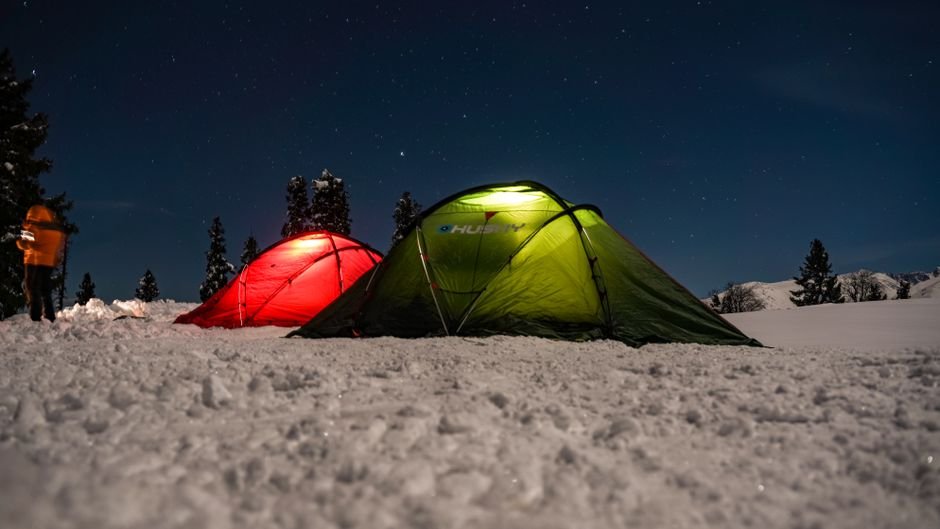
When camping in windy conditions, using a bivy sack or a low-profile tent can prevent wind exposure. Selecting a campsite sheltered from the wind allows your sleeping environment to retain more heat.
Avoiding Common Mistakes
Common errors can lead to excessive cold. Overstuffing your sleeping bag with layers can restrict your movement and limit warm air circulation; instead, wear just enough to keep warm without compromising movement.
Don’t overlook hydration and nutrition before sleep. Hydration is essential, as dehydration increases the sensation of cold. A warm meal before bed can elevate core temperature, aiding in heat retention as you sleep.
Optimizing Body Position and Adding Insulation
Your sleeping position can also affect heat retention. Sleeping in a fetal position helps your body conserve heat, keeping limbs close to the core. If space allows, consider curling up with a lightweight fleece blanket for additional warmth.
Using a sleeping bag liner, made of silk or fleece, can improve insulation and moisture control. This small addition enhances your sleeping system’s effectiveness on cold nights.
Final Recommendations: Your Path to Staying Warm
Staying warm in a sleeping bag is achievable through strategic planning. Invest in a sleeping bag suited to your environment; those rated for lower temperatures are crucial for frost-prone areas. Pair your sleeping bag with a high-R-value sleeping pad and wear moisture-wicking thermal clothing to optimize your warmth. Always be wary of common mistakes like overpacking your bag and pay attention to your campsite’s environment. To learn more about how to stay warm in a sleeping bagconsider utilizing high-quality gear and techniques.
For winter camping, a quality setup designed for cold conditions is essential for a comfortable and restful night outdoors.
Your outdoor adventures can remain enjoyable; apply these strategies to keep the cold at bay and wake up ready for your adventures.
There is more on travel duffel bag elsewhere on the site.
Frequently Asked Questions
What should I wear in a sleeping bag to stay warm?
To stay warm in a sleeping bag, wear moisture-wicking base layers made of materials like wool or synthetic fabrics. Avoid cotton, as it can trap moisture and make you feel colder.
Why is my sleeping bag not keeping me warm?
Your sleeping bag might not be keeping you warm due to factors like inadequate insulation for the temperature conditions or improper fit. Additionally, if the bag is wet or if you’re losing heat through drafts, warmth will be compromised.
Can I use a blanket inside my sleeping bag?
Yes, using a lightweight blanket inside your sleeping bag can add extra insulation and warmth. Just ensure that it does not cause the bag to compress too much, as this could reduce its insulating properties.
How do I prevent cold air from entering my sleeping bag?
To prevent cold air from entering your sleeping bag, make sure to fully zip it up and secure any draft collars if available. You can also use a sleeping pad under your bag, as it helps insulate from the cold ground and reduces heat loss.
Is a sleeping bag liner effective for warmth?
Yes, a sleeping bag liner can be effective for adding warmth, as it provides an additional layer of insulation. It can also help keep your sleeping bag clean and can be used alone in warmer conditions.



Leave a Reply