
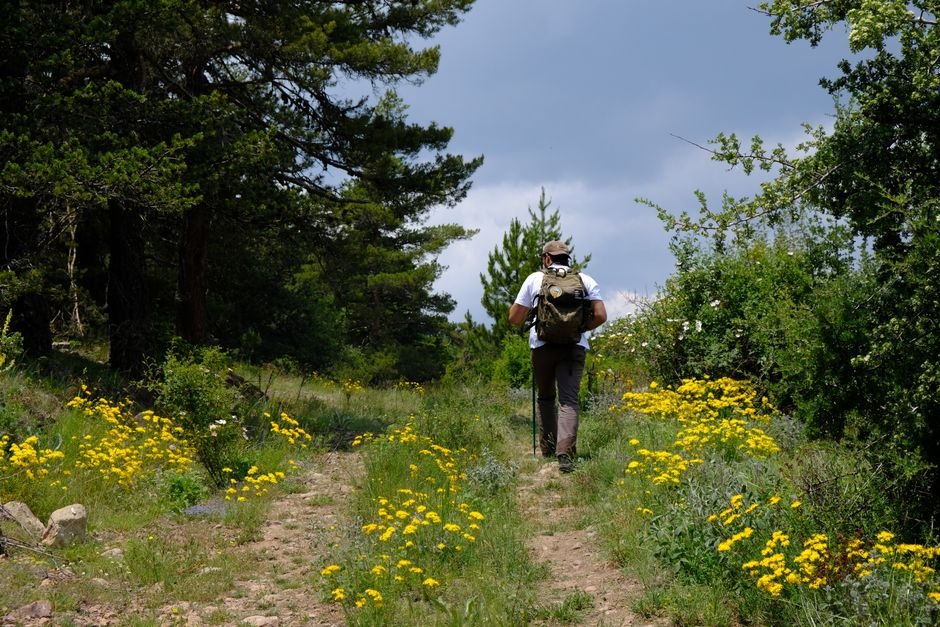
Over 50% of American adults report that they don't get enough exercise, and hiking offers a straightforward way to counter this trend. Just a couple of hours on the trails can help improve cardiovascular health while also offering a mental escape from daily stressors.
When I consider what are the benefits of hiking, I’m struck by the holistic impact it can have on one’s well-being. It’s a way to escape the daily grind while getting a full-body workout. Plus, the opportunity to immerse yourself in nature adds an enriching layer that other forms of exercise simply can’t offer.

Physical Health Benefits of Hiking
One of the first things people notice when they start hiking regularly is the physical benefits. Hiking serves as an effective cardiovascular workout, elevating your heart rate and improving overall heart health. Research shows that people who engage in physical activity, like hiking, can maintain a healthier weight and reduce the risk of chronic diseases such as diabetes or heart disease.
If you’re into numbers, hiking at a moderate pace can burn around 400-700 calories per hour, depending on your weight and the terrain.
Beyond cardiovascular health, hiking strengthens several key muscle groups, including your legs, core, and even your arms if you’re using trekking poles. Over time, I’ve found that regular hiking can significantly enhance your endurance and balance. This leads to improved daily functioning, from climbing stairs effortlessly to simply feeling more energetic throughout the day.
If you’re also dealing with packing for a trip, you might find my guide on Hard Shell Luggage vs Soft Duffel Bag helpful here: https://trackandtrek.com/hard-shell-luggage-vs-soft-duffel-bag/.
Mental Health Advantages of Hiking
In addition to the physical perks, the mental health benefits of hiking are equally impressive. Studies indicate that spending time in nature can lower levels of anxiety and depression. I can personally attest to this; every time I return from a hike, I feel a sense of clarity and calm that is hard to replicate.
This phenomenon, often called “nature therapy,” emphasizes that the sights, sounds, and smells of nature do wonders for our mental well-being.
Moreover, hiking provides a rare opportunity to disconnect from technology. With most of our lives spent glued to screens, stepping away to enjoy nature allows for reflection and mindfulness. Whether you’re alone or with a companion, the experience encourages meaningful conversations and deeper connections. In many cases, people experience an almost meditative state, enhancing creativity and cognitive functions upon returning to their daily tasks.
I’ve noticed that my problem-solving skills sharpen after a day spent on the trails.

Social Connections Through Hiking
A benefit that’s often overlooked is the opportunity for social interaction that hiking provides. Whether you’re hitting a well-trodden trail with friends or joining a local hiking group, engaging in this activity fosters community. Hiking together encourages laughter and shared experiences that can forge stronger bonds among friends.
Plus, hiking clubs often have members of varying experience levels, allowing novices to learn from seasoned hikers.
If you’re new to hiking, consider seeking local groups that organize regular outings. Great friendships often sprout from shared love for the outdoors. It’s not just a physical journey but also a social and emotional one.
Accessible for All Skill Levels
Hiking is a versatile activity that can cater to all skill levels. Whether you prefer a challenging mountain ascent or a leisurely stroll along a flat path, there’s something for everyone. Many trails offer short, accessible routes that allow beginners to gain confidence without being overwhelmed. Conversely, seasoned hikers can explore more challenging terrains that demand strength and skill.
For those worried about physical limitations, trails with varying levels of difficulty ensure inclusivity. It’s essential to start where you feel most comfortable and gradually increase the difficulty as your fitness improves.
If you’re evaluating different gear options for your hiking adventures, you might also find value in my comparison between a Duffel Bag and a Backpack for Travel here: https://trackandtrek.com/duffel-bag-vs-backpack-for-travel/.
Final Verdict: Why Hiking Should Be Your Go-To Activity
For those looking to improve cardiovascular fitness and mental clarity, hiking is the top choice. If you prefer indoor workouts, a gym may serve you best, while forest therapy trails are great for those focused on mental relaxation.
Our write-up on hiking backpack which works picks up where this leaves off. Also, if you want to know what are the benefits of hiking, there are numerous resources available.
For more, read about trekking adventures.
Frequently Asked Questions
What are the health benefits of hiking?
Hiking offers numerous health benefits, including improved cardiovascular fitness, muscle strength, and bone density. It also enhances flexibility and balance while reducing the risk of chronic illnesses such as diabetes and heart disease.
How does hiking improve mental health?
Hiking has been shown to reduce symptoms of anxiety and depression, thanks to the combination of physical activity and time spent in nature. The rhythmic nature of walking and the tranquil environment contribute to decreased stress levels and improved mood.
Can hiking help with weight loss?
Yes, hiking can be an effective way to aid in weight loss. It burns calories effectively, especially when tackling varied terrains and climbing elevations, making it a great choice for those looking to shed pounds.
Is hiking better than walking for fitness?
Hiking is often considered better than walking for fitness because it typically involves varied terrain and elevation changes, which increase the intensity of the workout. This can lead to greater improvements in strength and endurance compared to flat, even walking.
How does hiking affect cardiovascular health?
Hiking is a cardiovascular exercise that strengthens the heart and improves circulation. Regular hiking can lower blood pressure and cholesterol levels, contributing to better overall heart health.





Leave a Reply