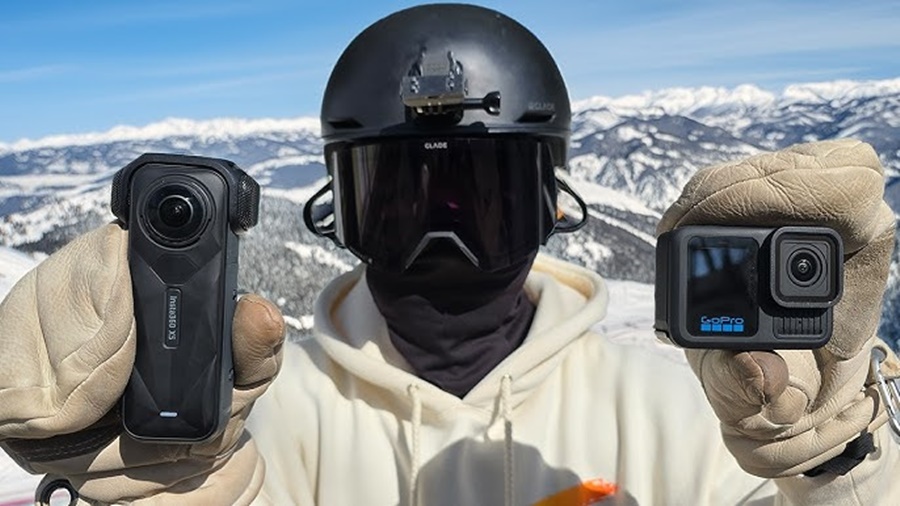
When choosing a camera for adventure, travel, or content creation, two popular options stand out: action cameras and 360 cameras. While both are compact, durable, and designed for capturing dynamic moments, they serve very different purposes. Understanding their differences will help you decide which one fits your needs best.
What is an Action Camera?
An action camera is a small, rugged camera designed to capture high-quality video and photos in fast-moving or extreme environments. These cameras are typically mounted on helmets, bikes, or handheld rigs.
Key Features
- Wide-angle lens (but not full 360°)
- High frame rates for smooth slow-motion footage
- Excellent stabilization
- Waterproof and shock-resistant design
- Simple point-and-shoot operation
Best Uses
- Sports like biking, surfing, skiing
- Vlogging and travel videos
- Underwater recording
- First-person (POV) shots
Pros
- Easy to use
- High video quality
- Strong battery performance
- Reliable in tough conditions
Cons
- Limited field of view compared to 360 cameras
- Requires aiming the camera correctly
- Less flexibility in editing angles later
What is a 360 Camera?
A 360 camera captures everything around it simultaneously using multiple lenses, creating immersive spherical footage. You can later choose angles, perspectives, or create interactive videos.
Key Features
- Full 360-degree capture
- Reframing capability after recording
- Immersive VR-compatible content
- Invisible selfie stick effect
- Advanced editing tools
Best Uses
- Virtual tours and real estate
- Travel content with immersive views
- Creative filmmaking
- Social media content with dynamic angles
Pros
- Never miss a shot (captures everything)
- Flexible editing and angle selection
- Unique and engaging content style
- Great for storytelling
Cons
- More complex editing process
- Slightly lower resolution per angle (since image is spread over 360°)
- Shorter battery life
- Can struggle in low light
Key Differences
| Feature | Action Camera | 360 Camera |
|---|---|---|
| Field of View | Wide (not full) | Full 360° |
| Ease of Use | Very simple | Moderate (editing required) |
| Editing | Minimal | Advanced reframing |
| Video Style | Traditional POV | Immersive / dynamic |
| Battery Life | Longer | Shorter |
| Creativity Level | Moderate | Very high |
Which One Should You Choose?
Choose an Action Camera if:
- You want straightforward, ready-to-share footage
- You film sports or fast action regularly
- You prefer simplicity over editing flexibility
Choose a 360 Camera if:
- You want creative control over angles after filming
- You create immersive or cinematic content
- You don’t want to worry about framing while shooting
Conclusion
Both action cameras and 360 cameras are powerful tools, but they cater to different styles of shooting. Action cameras are perfect for reliability and ease, while 360 cameras open the door to creativity and immersive storytelling.
If you’re a beginner, an action camera is usually the better starting point. But if you’re looking to experiment and stand out, a 360 camera offers exciting possibilities.





Leave a Reply