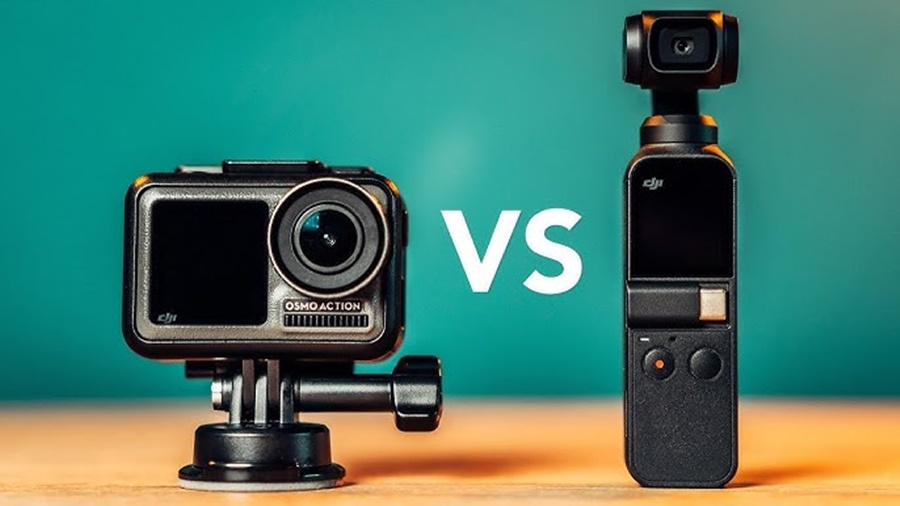
When choosing a compact camera, many people find themselves deciding between an action camera and a pocket camera. While both are small and portable, they are designed for very different purposes. Understanding their strengths, limitations, and ideal use cases will help you pick the right one for your needs.
What Is an Action Camera?
An action camera is a rugged, compact device built to capture fast-paced activities and extreme environments. These cameras are commonly used for adventure sports like biking, surfing, skiing, and diving.
Key Features
- Durability: Built to withstand shocks, drops, dust, and water
- Wide-angle lens: Captures more of the scene, ideal for immersive footage
- Mountable design: Can be attached to helmets, bikes, cars, or even drones
- Image stabilization: Helps smooth out shaky footage during movement
- Waterproofing: Often usable underwater without additional housing (to a certain depth)
Advantages
- Perfect for action and outdoor adventures
- Lightweight and easy to mount anywhere
- Excellent video capabilities, especially in motion
- Hands-free recording
Disadvantages
- Limited zoom capability
- Lower image quality for still photography compared to pocket cameras
- Wide-angle distortion can affect image realism
- Smaller sensors, which can struggle in low light
What Is a Pocket Camera?
A pocket camera (also known as a compact camera) is designed for everyday photography and casual videography. It is small enough to fit in your pocket but offers better image quality and control than most smartphones.
Key Features
- Compact size: Easy to carry around daily
- Optical zoom: Allows you to zoom in without losing quality
- Larger sensors (in many models): Better image quality and low-light performance
- Manual controls: More flexibility for photography enthusiasts
- Built-in flash: Useful for indoor or low-light situations
Advantages
- Superior image quality for photos
- Versatile zoom for different shooting scenarios
- Better performance in low light
- More control over settings like exposure and focus
Disadvantages
- Not designed for rough use or extreme conditions
- Limited mounting options
- Usually not waterproof without additional casing
- Bulkier than action cameras (though still compact)
Key Differences
1. Purpose
- Action Camera: Built for adventure, sports, and movement
- Pocket Camera: Designed for everyday photography and travel
2. Image Quality
- Action Camera: Optimized for video; decent photos
- Pocket Camera: Better photo quality due to larger sensors and optics
3. Durability
- Action Camera: Highly durable and weather-resistant
- Pocket Camera: More delicate, requires careful handling
4. Zoom Capability
- Action Camera: Usually fixed wide-angle lens
- Pocket Camera: Offers optical zoom for flexibility
5. Ease of Use
- Action Camera: Simple controls, often app-based
- Pocket Camera: More buttons and settings for manual control
Which One Should You Choose?
Choose an Action Camera if:
- You enjoy outdoor adventures or sports
- You need a camera that can handle rough conditions
- You want hands-free recording
- You focus more on video than photography
Choose a Pocket Camera if:
- You want better photo quality
- You prefer zoom capabilities
- You need a camera for travel, family events, or daily use
- You value manual controls and flexibility
Conclusion
Both action cameras and pocket cameras serve distinct purposes. An action camera excels in capturing dynamic, high-energy moments in challenging environments, while a pocket camera offers better image quality and versatility for everyday photography.
If your priority is adventure and durability, go with an action camera. If you care more about image quality and flexibility, a pocket camera is the better choice.
In many cases, the decision comes down to how and where you plan to use the camera. Understanding your needs will ensure you make the right investment.





Leave a Reply