Choosing between an action camera and a travel camera can significantly impact how you capture your adventures. While both are designed for photography and videography on the go, they serve very different purposes. Understanding their strengths and limitations will help you make the right choice for your needs.
What Is an Action Camera?
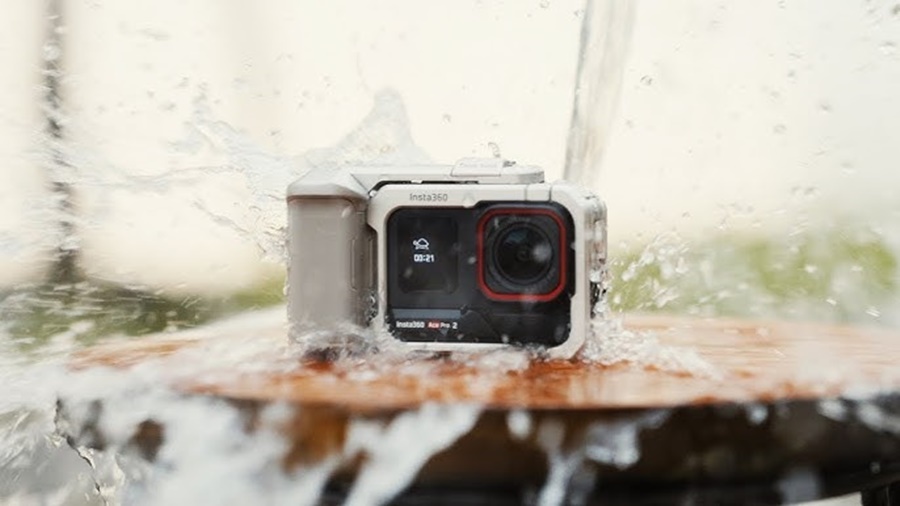
An action camera is a compact, rugged device designed to capture high-quality video and photos in extreme conditions. These cameras are built for durability, portability, and hands-free operation.
Key Features of Action Cameras
- Compact and lightweight – Easy to mount on helmets, bikes, or even your body
- Durable design – Often waterproof, shockproof, and dustproof
- Wide-angle lens – Captures more of the scene, ideal for immersive shots
- Stabilization – Advanced image stabilization for smooth footage during motion
- Hands-free use – Mountable and often voice-controlled
Best Uses
- Adventure sports (surfing, biking, skiing)
- Underwater filming
- Fast-paced activities
- POV (point-of-view) recording
Limitations
- Limited zoom capabilities
- Smaller sensors, which can reduce image quality in low light
- Less manual control compared to traditional cameras
What Is a Travel Camera?
A travel camera is a broader category that includes compact cameras, mirrorless cameras, and DSLRs designed for versatility and high-quality imaging while traveling.
Key Features of Travel Cameras
- Superior image quality – Larger sensors capture more detail
- Interchangeable lenses (in some models) – Flexibility for different shooting scenarios
- Manual controls – Greater creative control over exposure, focus, and settings
- Zoom capabilities – Optical zoom for distant subjects
- Better low-light performance
Best Uses
- Landscape photography
- Cityscapes and architecture
- Portraits and street photography
- General travel documentation
Limitations
- Bulkier and heavier than action cameras
- More fragile and less weather-resistant (unless specifically designed)
- Requires more effort to carry and set up
Key Differences
| Feature | Action Camera | Travel Camera |
|---|---|---|
| Size & Portability | Very compact | Compact to bulky |
| Durability | Highly rugged | Moderate (depends on model) |
| Image Quality | Good | Excellent |
| Video Capability | Excellent (especially for action) | Very good |
| Zoom | Limited | Strong optical zoom options |
| Ease of Use | Simple, often automatic | More complex with manual controls |
| Versatility | Limited to action scenarios | Highly versatile |
Which One Should You Choose?
Choose an Action Camera if:
- You enjoy adventure sports or extreme activities
- You need a camera that can handle rough environments
- You want hands-free or wearable shooting
- Video is your primary focus
Choose a Travel Camera if:
- You prioritize image quality and detail
- You want flexibility with lenses and settings
- You plan to shoot a variety of subjects
- Photography is as important (or more) than video
Can You Use Both?
Absolutely. Many travelers carry both an action camera and a travel camera. The action camera handles dynamic, high-energy moments, while the travel camera captures high-quality stills and cinematic shots.
Conclusion
There is no one-size-fits-all answer when choosing between an action camera and a travel camera. It ultimately depends on your travel style and what you want to capture. If your adventures are fast, rugged, and unpredictable, an action camera is your best companion. If you’re focused on capturing beautiful, detailed memories of your journey, a travel camera is the better choice.
For the best of both worlds, combining the two can elevate your travel storytelling to a whole new level.



Leave a Reply