
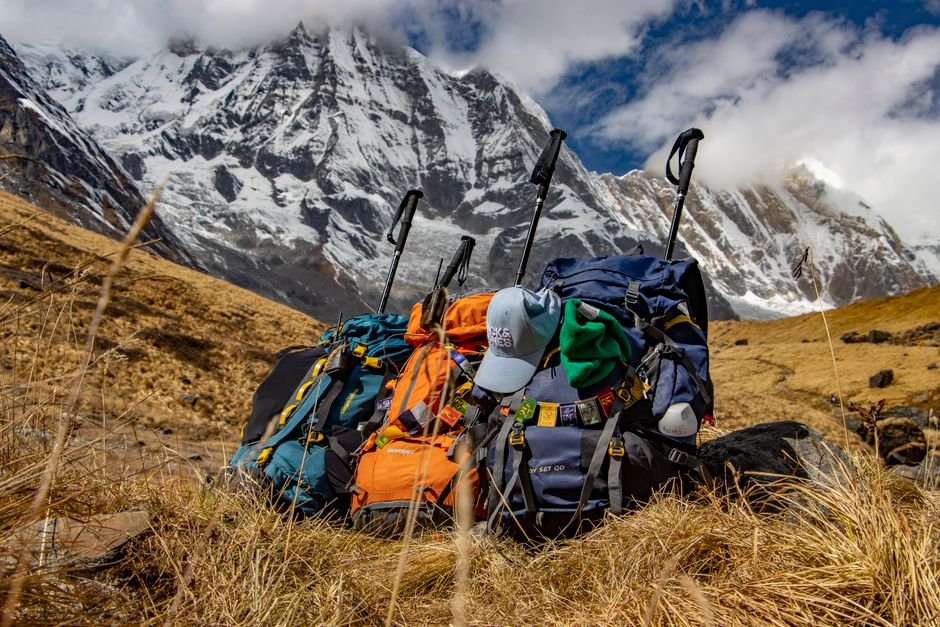
Choosing the right hiking gear can be the difference between a successful trek and an uncomfortable outing. In fact, 70% of hikers report that inadequate gear led to discomfort or injury on the trail. To avoid such pitfalls, assess your specific needs before purchasing essentials like hiking bootsbackpacks, and weather-appropriate gear.
Gearing up confidently starts with understanding what to prioritize. Here’s a guide to help you effectively navigate the selection process and avoid common mistakes along the way.

Common Mistakes When Choosing Hiking Boots
A crucial mistake among hikers is choosing inappropriate footwear. Relying on sneakers may seem convenient; however, hiking boots provide essential support and traction on uneven surfaces. A proper fit is vital; discomfort can quickly ruin your hike. Look for boots that offer solid ankle support and cushioned insoles.
Fitting at a specialized outdoor store can ensure the best choice, especially when wearing your hiking socks during the fitting.
Another oversight is disregarding the terrain you’ll be hiking. Boots designed for rugged trails differ significantly from those made for smooth paths. If you’re tackling rocky terrains, select boots with rigid soles for enhanced stability, this attention to footwear can prevent fatigue and reduce injury risk.
Consider the Importance of Outdoor Clothing
Your choice of clothing is as crucial as your boots. Many hikers mistakenly believe that any athletic wear is adequate. Instead, focus on moisture-wicking fabrics that keep you dry and comfortable during the hike. While cotton may feel comfortable initially, it retains moisture, which can lead to chilling when the temperature drops.
Layering your clothing effectively is recommended. Start with a moisture-wicking base layer, and add insulative layers as needed. This system allows for temperature regulation, especially when the weather changes. A high-quality waterproof jacket is essential; a sudden rain shower can quickly dampen your outing. For more guidance on selecting the right outer layer, refer to my guide on the Best Waterproof Jacket.
Essential Gear for Different Trail Types
Packing the right gear is critical for different hiking environments. Failing to tailor your essentials to specific trail conditions is a common mistake. For longer hikes, be sure to choose a reliable backpack that fits well and has ample space for your gear. To determine the best fit, check out my comparison of Duffel Bag vs Backpack.
Navigation tools are essential for remote areas. A map and compass or a GPS device can be invaluable if you lose your way. Additionally, always pack extra items like a first aid kit and sufficient water. Proper planning is crucial, as being unprepared can lead to dangerous situations.

Weather-Appropriate Gear is Key
Being caught off guard by changes in weather is a common issue. Not checking the forecast before heading out can lead to discomfort and even danger. Always pack layers; an extra fleece or lightweight windbreaker can save you during unpredictable conditions.
Investing in high-quality gear suited for various weather scenarios pays off. Choosing a cheap rain jacket can lead to discomfort when unexpected precipitation occurs. Quality gear, especially jackets and boots, is fundamental for your comfort and safety on hikes.
Prioritizing Quality Over Price
As you prepare for your hikes, remember to balance quality and price. While a low-cost option may seem appealing, compromising durability and performance can lead to regret. Many hikers find that low-quality gear fails them during critical moments. Look for robust materials and well-reviewed brands known for hiking gear; these options often come with better warranties and customer support.
Thinking long-term is essential when investing in gear. If hiking is a serious commitment, spending more upfront can prevent the need for frequent replacements down the line. Higher quality gear often leads to better experiences on the trail.
Smart Choices Lead to Enjoyable Hikes
Selecting the right hiking gear requires understanding your personal needs and potential conditions. Pay attention to boot fit for maximum comfort. Choose outdoor clothing based on moisture-wicking and layering capabilities. Tailor your gear to the specific trails you plan to hike, and never underestimate the unpredictability of the weather. Prioritize quality gear to ensure durability and performance over time.
Avoiding these common mistakes will enhance your hiking experience. Gear up with this knowledge and embark on your next adventure confidently! For more information on how to choose the right hiking gearconsider exploring additional resources.
Worth reading alongside this: gear for your next.
Frequently Asked Questions
What are the essential items for a hiking trip?
Essential items for a hiking trip include a reliable backpackproper footwear, weather-appropriate clothing, plenty of water, snacks, a map or GPS device, and a first aid kit. Additional gear such as trekking poles, a headlamp, and a multi-tool can enhance the hiking experience.
How does weather influence hiking gear choice?
Weather greatly influences the choice of hiking gear, as it dictates the materials and clothing required for comfort and safety. For example, waterproof jackets and moisture-wicking layers are essential for rainy or humid conditions, while lightweight fabrics may be preferred for hot and sunny weather.
Can I use regular sneakers for hiking?
While regular sneakers may provide some comfort for short, easy trails, they typically lack the necessary support, traction, and durability needed for serious hiking. Investing in proper hiking shoes or boots is recommended to ensure safety and stability on uneven terrain.
Why is choosing the right hiking backpack important?
Choosing the right hiking backpack is important because it affects your comfort, balance, and carrying capacity during hikes. A well-fitted backpack with adequate support can reduce strain on your back and shoulders, making your hiking experience more enjoyable.
Is lightweight hiking gear worth the investment?
Investing in lightweight hiking gear is often worth it, as it can significantly improve your comfort and endurance on the trail. Lighter gear generally eases the physical burden, allowing for longer hikes or greater distances without compromising safety or performance.



Leave a Reply