
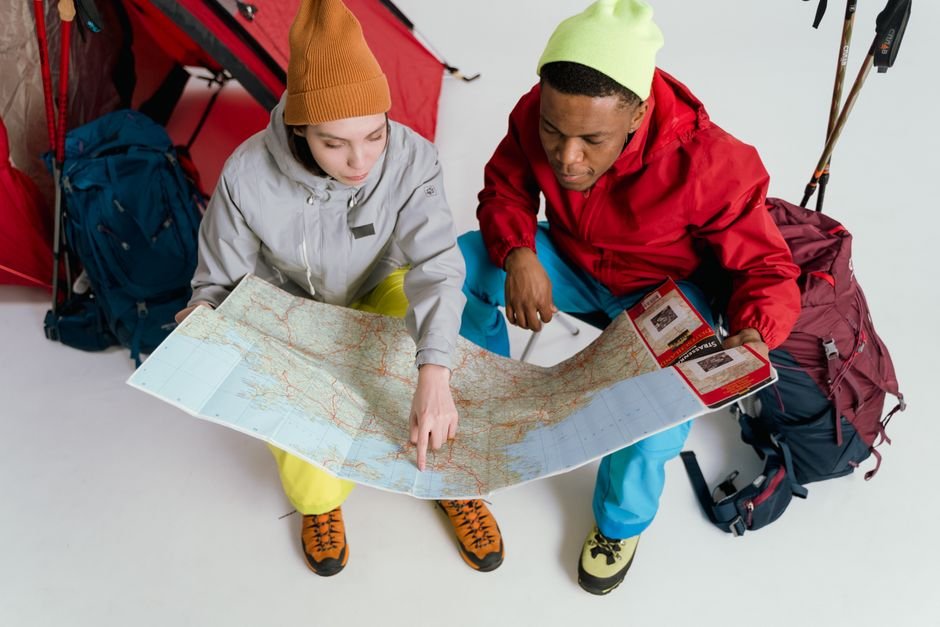
Knowing how to stay safe during adventure travel involves researching your destinations, with studies showing that travelers who plan their trips face up to 50% fewer safety incidents. This proactive approach not only safeguards your well-being but also allows you to fully immerse yourself in exciting experiences without fear. Prioritize safety to ensure that each journey remains exhilarating rather than hazardous.
Preparation is the key to minimizing risks in unfamiliar environments. Research local laws, customs, and equip yourself with the necessary safety gear. Taking these practical steps can significantly enhance your adventure’s enjoyment and safety.

Understand Risks: A Step for the Novice Adventurer
For those new to adventure travelit’s crucial to acknowledge specific risks associated with your destination. Various environments come with unique challenges, whether confronting wildlife encounters, altitude sickness, or managing unfamiliar terrain. Conducting research helps prepare you mentally and physically for what lies ahead.
A common misstep is underestimating local laws and customs, which can vary widely. An activity deemed acceptable in one country could lead to legal complications in another. For instance, strict regulations regarding camping or hiking could apply unnoticed. Familiarizing yourself with these rules safeguards you against unintentional infractions.
Travel Insurance: Your Essential Safety Net
Regardless of your caution, emergencies can happen. Comprehensive travel insurance is a non-negotiable for adventure travelers. Ensure your policy covers all activities you plan to engage in, as many exclude high-risk pursuits like rock climbing or scuba diving.
Even well-laid plans can go awry; knowing you’re covered allows you to focus on your adventure instead of potential mishaps. Opt for a policy that includes medical evacuation coverage; if you’re in a remote area, this could be life-saving.
Solo Travelers: Strategies for Staying Safe
Traveling alone is exhilarating but brings unique safety challenges. Always share your itinerary with someone, detailing locations and timings. This simple step can make a significant difference if something goes awry.
While solo travel poses risks, the right precautions can mitigate them. Keep personal belongings secure and avoid displaying valuables in crowded spaces. Consider carrying personal safety devices like whistles or alarms, which can alert others in precarious situations.
Enhancing Safety in Groups: The Importance of the Buddy System
If you’re adventuring with a group, implement the buddy system. Pairing with someone ensures that you look out for each other, particularly during activities like hiking or water sports. Having a companion helps navigate unfamiliar environments and adapt to changes in plans quickly and effectively.
In a group, you can better manage risks, ensuring that everyone remains together and has someone to help in emergencies. The buddy system significantly enhances your overall safety as you explore new terrains.
Essential Safety Gear for Every Adventure
Preparation involves not only planning but also packing the right gear. For adventure travelpersonal safety gear can be invaluable during emergencies. Key items include first aid kitsportable water filtersand thermal emergency blankets. These tools are straightforward but crucial when help is far away.
Equipping yourself with the right gear isn’t enough; knowing how to use it effectively is equally important. For example, many carry a first aid kit but may not understand its contents. Familiarize yourself with your kit and the types of injuries it can treat before you set out.
Emergency Contacts: Vital Information at Your Fingertips
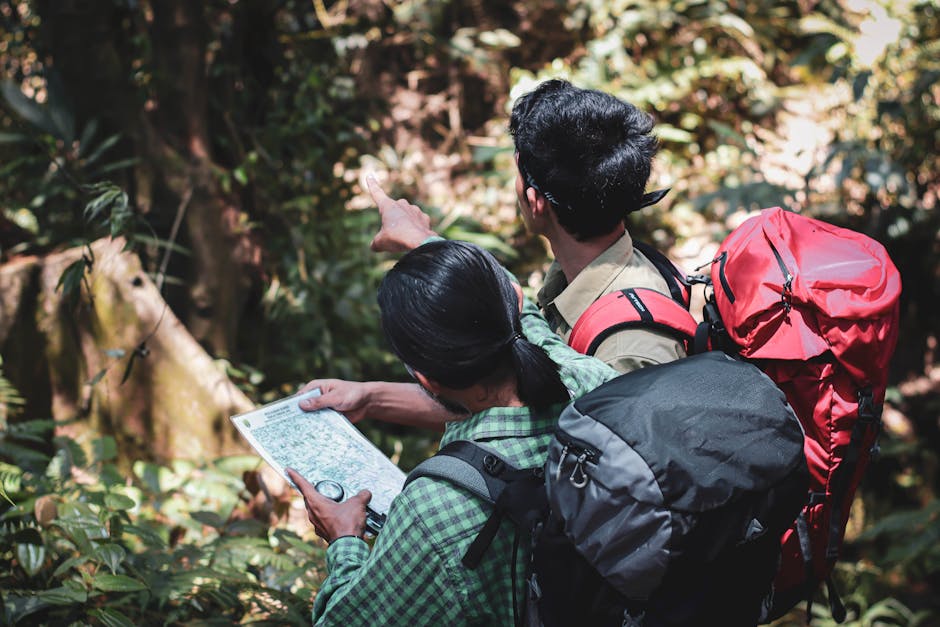
Having local emergency contacts readily available is essential. Always save critical numbers on your phone and have them written in your travel documents. This includes local emergency services, the nearest hospital, and your country’s embassy or consulate, especially when in unfamiliar regions.
Minor emergencies can escalate quickly; knowing whom to contact simplifies urgent situations you may encounter. Additionally, downloading offline maps, including emergency contacts and locations, ensures you won’t be left helpless without cell service.
Staying Aware: The Mental Aspect of Safety
Mental preparedness is as vital as physical readiness during adventure travel. Always be aware of your surroundings and watch for anything that feels off or suspicious. Trust your instincts; if something doesn’t seem right, it’s better to exit the situation.
In crowded areas, be particularly cautious of distractions that can lead to theft. Scammers often employ clever tactics that can catch even seasoned travelers off guard. Staying alert significantly decreases the chances of such encounters and enhances your safety.
Final Verdict: Prioritizing Safety Enhances Adventure
Adventure travel pushes boundaries, but safety is paramount. For every traveler, from novices to seasoned adventurers, proactive steps ensure a memorable experience. Invest in travel insurance, familiarize yourself with local laws, carry essential safety gear, and maintain emergency contacts. Each of these strategies fortifies your ability to enjoy your adventures safely, including knowing how to stay safe during adventure travel.
Effective planning and safety precautions allow you to focus on creating lasting memories rather than worrying about potential pitfalls. Embrace your adventurous spirit wisely!
Frequently Asked Questions
What are essential safety tips for adventure travelers?
Essential safety tips for adventure travelers include researching the destination thoroughly, informing someone about your itinerary, and carrying a first aid kit. Additionally, travelers should always have a reliable means of communication and be aware of local customs and regulations.
Why is travel insurance important for adventure travel?
Travel insurance is crucial for adventure travel as it provides financial protection against unforeseen events such as medical emergencies, trip cancellations, or lost belongings. It ensures that travelers can receive the necessary medical care and support without bearing heavy costs.
How can you avoid getting lost during adventure trips?
To avoid getting lost during adventure trips, always carry a reliable map or GPS device and familiarize yourself with your surroundings. Setting waypoints and using a compass can further ensure you stay oriented even in unfamiliar terrain.
Is adventure travel safe for solo travelers?
Adventure travel can be safe for solo travelers if proper precautions are taken, such as choosing well-reviewed and reputable tour companies and staying in public or well-populated areas. It's also important to trust your instincts and avoid risky situations.
Can adventure travel be safe during extreme weather?
Adventure travel during extreme weather can be safe if adequate precautions are taken, such as monitoring weather forecasts and preparing for potential hazards. Travelers should have contingency plans and possess the right equipment to handle adverse conditions.



Leave a Reply