
In adventure travel, up to 80% of your enjoyment comes from skills you can develop. Climbing mountains, navigating dense forests, or paddling through rapid waters all require specific abilities that can dramatically improve your experience. Here are the essential skills every adventure traveler should know.

1. Outdoor Survival Skills
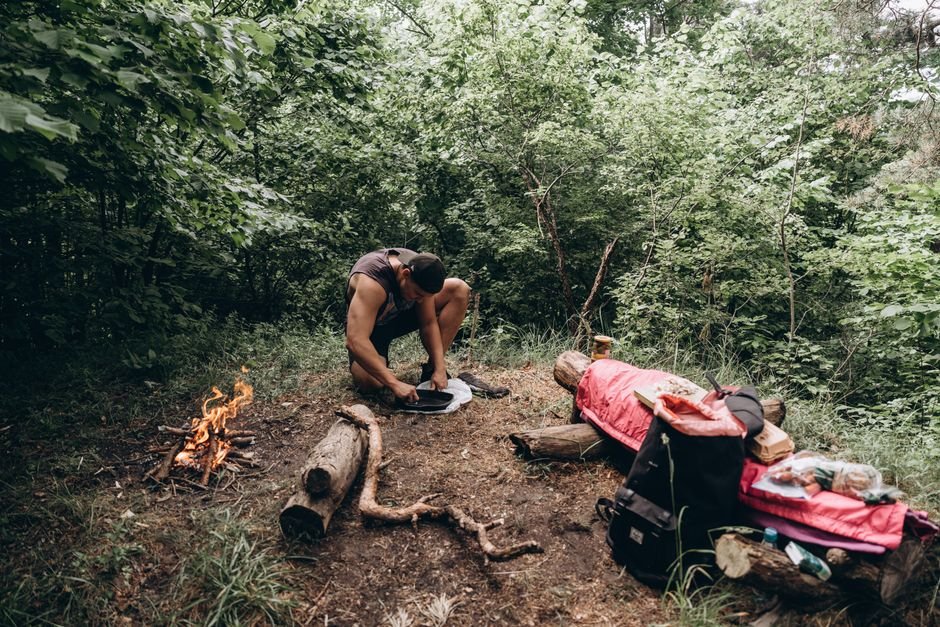
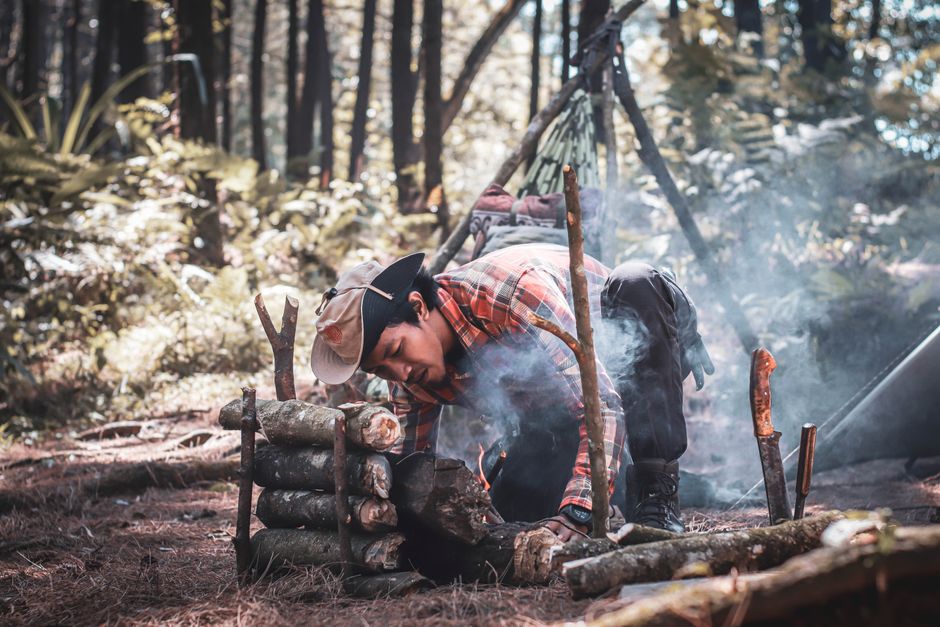
Outdoor survival skills are foundational for anyone venturing into uncharted territory. These include understanding how to build a shelter, find food and water, and start a fire. You never know when you might get caught in an unexpected situation, making this skill not just handy but essential for safety. If you’re serious about adventure travellearning survival techniques through workshops or courses is highly recommended.
A practical tip: familiarize yourself with the local flora and fauna of the regions you plan to visit. Knowing which plants are safe to eat and how to source clean water can save your life.
2. Navigation Skills
Being able to navigate effectively is crucial when exploring areas without clear trails. Understanding how to read topographic maps and use a compass can help you stay on track, especially in remote locations where GPS signals may be unreliable. I always ensure I have a physical map and a compass on handeven if I use a GPS app.
It gives me confidence in my ability to find my way back.
For honing your navigation skills, practice in local parks or nature reserves before going on longer adventures. It’s a simple way to gain confidence and avoid surprises.
3. Physical Fitness
Your physical fitness plays a significant role in how much you can enjoy adventure travel. Activities like hiking, climbing, and rafting require stamina and strength. Regularly engaging in cardiovascular workouts and strength training can significantly enhance your endurance. I find that cross-training is beneficial, combining running with weight training helps prepare my body for various challenges.
Consider starting a fitness regimen that focuses on functional strength. This will not only prepare you physically but also reduce the risk of injury during trips.
4. Risk Management and Safety
Understanding risk management is vital for adventure travelers. This skill involves assessing potential hazards and making informed decisions to minimize risks. I always analyze situations and prepare myself for various outcomes, such as changing weather conditions or sudden injuries. Awareness of your surroundings and the ability to assess danger can mean the difference between a thrilling experience and a potentially dangerous one.
A practical exercise is to assess risks before each trip. Write down potential hazards and how you would address them, so you’re prepared for anything.
5. Travel Planning
Effective travel planning is fundamental to successful adventure travel. This includes organizing your itinerary, accommodations, transportation, and packing lists. I find that a well-structured plan leaves me stress-free, allowing my focus to be fully on the adventure ahead. The more detailed your preparation, the less likely you’ll encounter unexpected setbacks.
To streamline your planning process, create a detailed checklist for each trip and stick to it. This should include everything from gear to emergency contacts, ensuring nothing important is forgotten.
6. First Aid Skills
Knowing how to administer basic first aid is a critical skill for any adventure traveler. Accidents can happen, and having the knowledge to treat minor injuries can prevent complications. As someone who frequently explores remote areas, I prioritize first aid training and keep a compact kit with me at all times. This gives me peace of mind and confidence in case anything goes wrong.
You can take a basic first aid course through local health organizations. These programs often provide practical experience and can be lifesaving.
7. Cultural Awareness
Understanding and respecting the cultures of the places you explore adds immense value to your travel experiences. Recognizing local customs, languages, and traditions fosters respectful interactions and enriches your trip. I always read up on cultural norms before arriving in a new destination, allowing me to engage with locals more meaningfully and avoid unintentional offenses.
To enhance your cultural awareness, consider learning a few basic phrases in the local language. This small effort can open doors and create a connection with the people you meet.
How to Choose
Prioritize fitness and outdoor survival skills if you're engaging in activities like mountaineering or backcountry hiking. For those venturing into uncharted territories, mastering navigation and risk management will be crucial for safety and enjoyment. Start with the skills that align with your plans, and evolve your expertise as you embark on more challenging adventures.
Frequently Asked Questions
What skills are essential for adventure travel?
Essential skills for adventure travel include navigation, physical fitness, risk management, basic first aid, and effective communication. These skills help ensure safety, preparedness, and the ability to respond to unexpected challenges while exploring remote areas.
How can I improve my navigation skills for hiking?
To improve navigation skills for hiking, practice using maps and compasses in various terrains and conditions. Additionally, familiarize yourself with GPS devices and mobile navigation apps while participating in local hikes to build confidence and skill.
Why is risk management crucial for adventure trips?
Risk management is crucial for adventure trips because it involves assessing and mitigating potential dangers, which can prevent accidents and ensure participant safety. By identifying risks before they become issues, travelers can plan appropriately and make informed decisions.
What basic first aid skills are needed for travel?
Basic first aid skills needed for travel include CPR, wound care, splinting fractures, and recognizing signs of shock. Being adept in these skills can help manage injuries promptly until professional medical help is available.
Can effective communication prevent travel mishaps?
Yes, effective communication can significantly prevent travel mishaps by ensuring all group members understand plans, safety procedures, and potential risks. Clear communication fosters teamwork and can help quickly address issues that arise during the adventure.
To learn more about the top skills needed for adventure travel, consider exploring various resources dedicated to enhancing your outdoor abilities.




Leave a Reply