
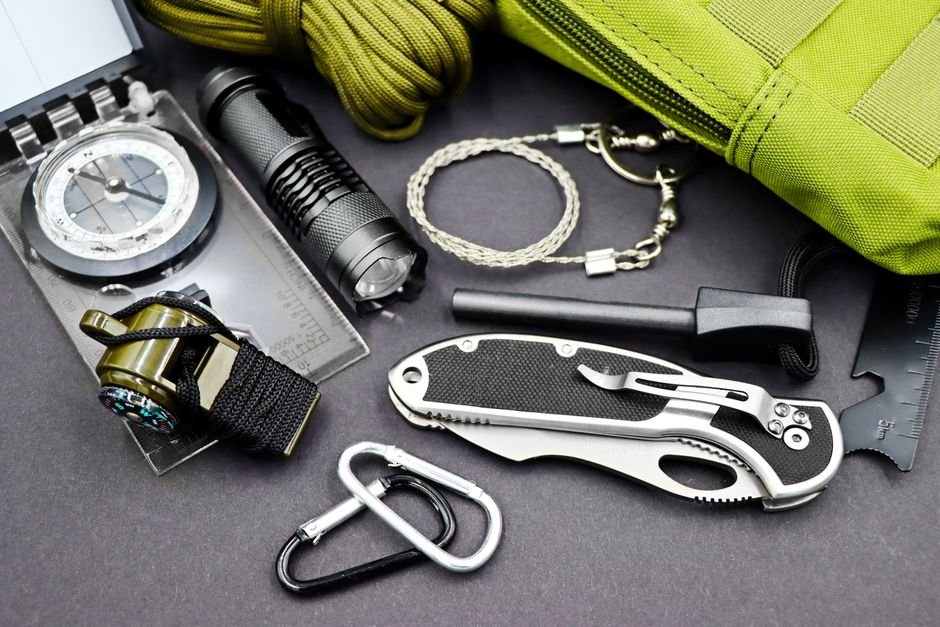
Understanding why hiking gear matters for safety is essential to enjoy your time on the trail without unnecessary risks. The right hiking gear can mean the difference between a moderately enjoyable outing and a dangerous scenario. Quality equipment can prevent injuries, protect against severe weather, and ensure you’re prepared for emergencies.
Proper hiking gear encompasses much more than just boots and backpacks; it includes clothing that can save your life in critical situations. Many hikers struggle because they either skimp on essentials or fail to prepare sufficiently for the conditions they might face. Here’s a closer look at why every piece of gear is vital.
Weather Protection: Avoiding the Elements
Weather conditions can change rapidly outdoors, and the right gear can protect you from rain, wind, or extreme temperatures. Waterproof jackets and pants keep you dry and warm; without them, even a light drizzle can lead to hypothermia in temperatures below 50°F if you remain wet for too long.
A breathable layer is also essential for regulating body temperature during exertion. Wearing moisture-wicking fabrics instead of cotton is critical because, in high humidity or strenuous conditions, wet cotton can cool rapidly, increasing your risk of hypothermia.
Footwear: The Foundation of Safety
Investing in proper hiking footwear is essential. A good pair of hiking boots or shoes provides the grip and support necessary for traversing uneven terrain. Lacking proper tread can lead to slips and falls on steep trails. Hiking boots that ensure ankle support, cushioning, and waterproof materials significantly reduce the risk of injuries like sprains or fractures.
When selecting hiking boots, make sure they fit snugly. A well-fitting boot prevents blisters and discomfort, allowing you to focus on the hike instead of foot pain.
Emergency Supplies: Being Prepared for the Unexpected
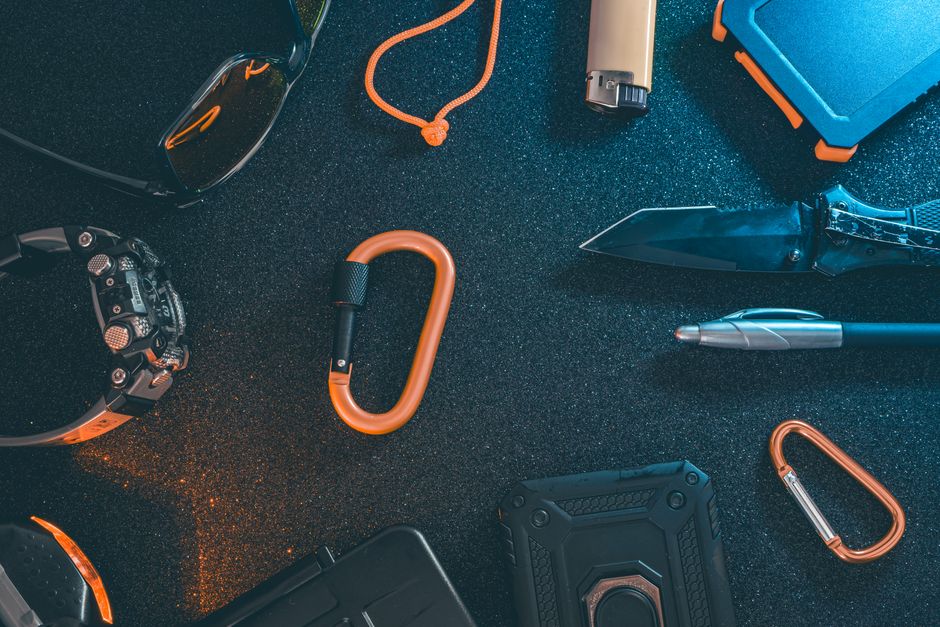
No one plans for emergencies while hiking, but preparation is essential. Basic emergency supplies should include a first aid kita multi-tool, extra food, a water purification systemand fire-starting materials. Surprisingly, only about 28% of hikers carry a comprehensive first aid kit. This oversight can lead to severe consequences if an injury occurs and is not treated promptly.
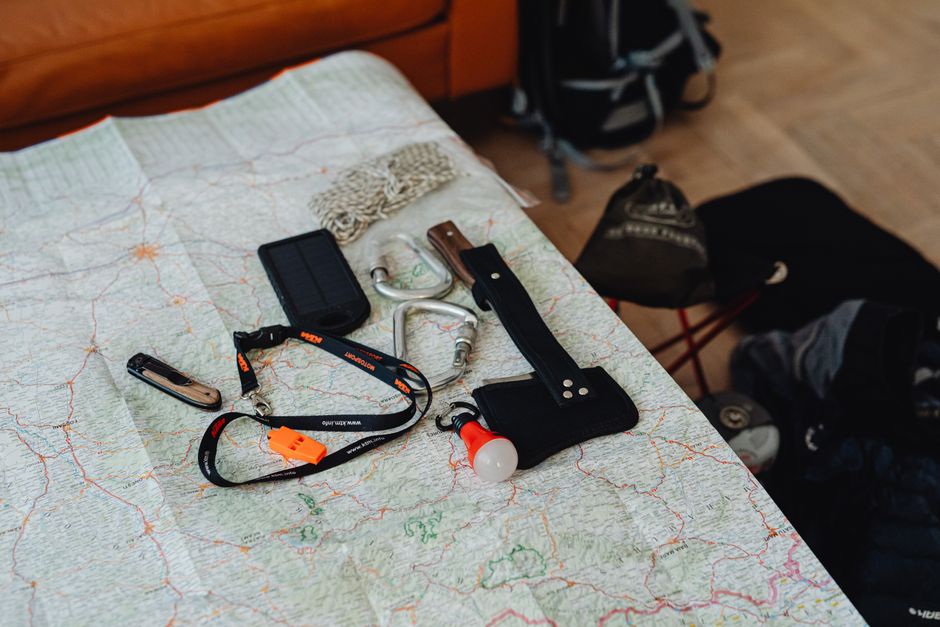
Essential personal safety items like a whistle for signaling can prove invaluable. If lost, navigation tools such as a map or GPS device can mean the difference between safely finding your way back or risking your safety further. Always check the weather and pack essentials accordingly, especially before tackling challenging hikes.
If you need more trip planning tips, refer to my guide here: https://trackandtrek.com/unique-adventure-travel-activities-for-all-ages/
Avoiding Common Gear Mistakes: Meet Your Needs
A critical mistake many hikers make is underestimating their gear needs based on their perception of a trail’s difficulty. Simply because a trail appears easy doesn’t warrant casual footwear; using proper gear matched to the hike’s difficulty is essential. Many hikers in sneakers fail to complete intermediate trails, which can lead to injury or exhaustion.
Another common oversight is packing too much weight. Although it may seem prudent to carry additional gear, an overly heavy pack can cause fatigue, compromising your safety. Assess what is necessary for the hike and leave behind items that are not essential.
Choosing the Right Gear: Ensuring Safety
Choosing your hiking gear wisely is vital for ensuring safety. Clothing that protects against wind and moisture, coupled with reliable shoes that handle diverse terrains, all contribute to a secure hiking experience. Aim for durable, flexible materials that are breathable yet insulating to adapt to changing conditions.
Before heading out, reference a checklist: Are your boots in good shape? Do you have sufficient layers for fluctuating temperatures? Are your emergency supplies stocked? The more prepared you are, the less risk you incur. This foresight transforms your hiking expedition from a potential disaster into a rewarding adventure.
Your Safety Gear Choices Matter
Prioritizing high-quality hiking gear is not just an investment in comfort; it directly impacts your safety. The right equipment allows you to respond effectively to unforeseen challenges, enhancing the overall hiking experience while minimizing risks. Choose wisely to enjoy nature while protecting yourself.
For more, read about backpack vs hiking backpack.
There is more on trekking adventures elsewhere on the site.
Frequently Asked Questions
Why is proper hiking gear important?
Proper hiking gear is essential because it ensures comfort and protection while navigating various terrains. Quality gear enhances the overall hiking experience and can prevent injuries and discomfort.
How does hiking gear affect safety?
Hiking gear impacts safety by providing necessary support, visibility, and protection from the elements. Items like sturdy footwear, weather-appropriate clothing, and safety equipment help mitigate risks associated with environmental hazards. For instance, understanding why hiking gear matters for safety is crucial to any successful hike.
What should every hiker carry for safety?
Every hiker should carry a first aid kit, a map and compass or GPS, sufficient water, snacks, a flashlight, and a multi-tool. These essentials can address emergencies and aid navigation.
Can hiking gear prevent accidents?
While hiking gear cannot eliminate all risks, it significantly reduces the likelihood of accidents by providing stability, traction, and protection. The right gear can help hikers respond more effectively to unexpected situations.
What are the risks of inadequate hiking gear?
Inadequate hiking gear can lead to various risks including fatigue, injury from slips or falls, exposure to harsh weather, and getting lost. These risks can jeopardize a hiker’s safety and overall experience in the wilderness.



Leave a Reply