
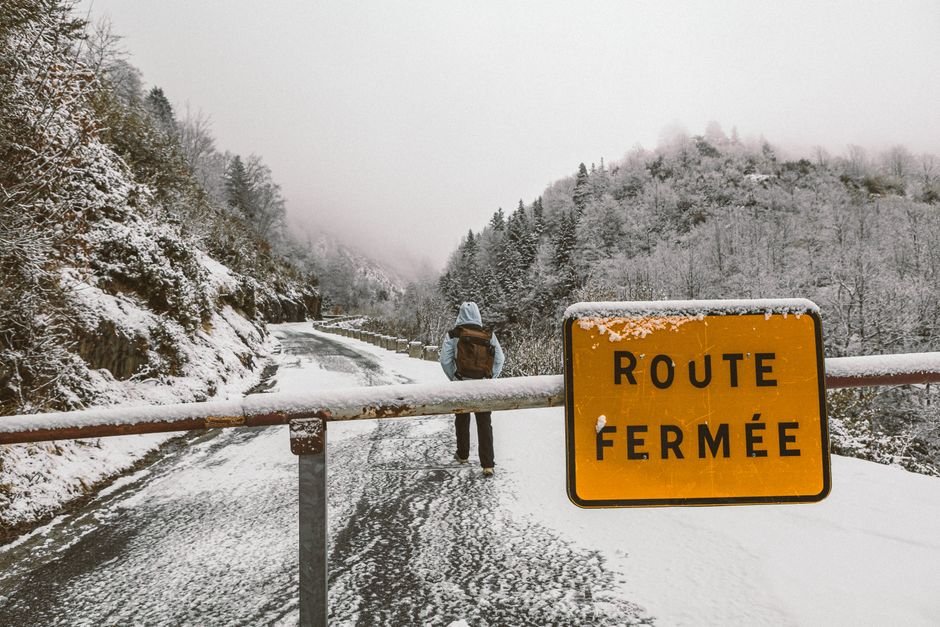
How to hike in winter safely involves being well-prepared for temperatures that can drop below freezing and the unpredictable changes in weather conditions. With approximately 1,300 emergency rescue calls each year highlighting the risks of winter hiking, ensuring you have the right gear and knowledge is crucial for a safe adventure.
Understanding the essentials of winter gear and strategies for coping with severe weather will enhance both safety and enjoyment on your hiking adventures. It’s critical to know what gear to prioritize, avoid unnecessary items, and adopt habits that protect against the elements.

Key Gear for Safe Winter Hiking
Your safety on winter trails hinges on suitable gear designed for extreme cold. Start with insulated, waterproof bootswhich are crucial for maintaining warmth and dryness; even short exposure to wet feet can lead to hypothermia. Many people overlook traction devices, but microspikes can significantly enhance grip on icy trails.
Relying solely on smartphones for navigation can be risky in winter; always bring a traditional compass and a physical map.
Layering Clothing for Temperature Control
Mastering layering is vital for winter hiking. Temperatures can drop quickly, particularly when you’re stationary. A combination of moisture-wicking base layers, insulating mid-layers, and waterproof outer layers allows you to adjust your clothing as conditions change. Extra layers are critical; keeping a fleece or puffy jacket in your pack can be lifesaving in sudden cold snaps.
Additionally, carrying a thermos with a warm drink not only hydrates you but combats the cold effectively.

Weather Risks
Pay attention to weather forecasts before and during your hike. Conditions can shift rapidly; a sunny morning may devolve into heavy snowfall by afternoon. By checking forecasts, you can adjust your plans accordingly, avoiding potentially life-threatening situations. Low visibility from fog, snow, or freezing rain poses risks, especially on less-traveled trails. Hiking with companions during winter is advisable for safety and support in tricky conditions.
Avoidable Hazards in Winter Hiking
Common mistakes include underestimating the cold. Hypothermia is a real danger; wearing inadequate clothing can quickly become life-threatening. Many hikers misjudge their clothing needs, opting for lighter attire intended for milder conditions. Another frequent error is neglecting hydration, staying hydrated is crucial, even in cold weather. Use insulated bottles or hydration packs with insulated tubing to prevent freezing, and drink before you feel thirsty.
Commit to Winter Hiking Preparedness
Preparing for a winter hike involves thoughtful consideration of trail difficulty and your gear. Prioritize safety by choosing routes appropriate for your experience level and verifying trail conditions beforehand. When in doubt, opt for shorter hikes and stick to well-marked paths. A cautious approach is better than risking a dangerous situation.
Winter hiking can be a memorable experience that reflects the beauty of nature, provided you approach it with careful planning and the right equipment. Committing to thorough preparation regarding transitions, environmental awareness, and proper attire will ensure a safer, more enjoyable adventure. To learn more about how to hike in winter safelyalways prioritize safety and preparedness.
If that matters to you, our piece on essential adventure travel gear goes further.
Frequently Asked Questions
What gear do you need for winter hiking?
For winter hiking, essential gear includes waterproof and insulated boots, snowshoes or microspikes for traction, insulated clothing layers, a good quality backpack, and necessary accessories like gloves, hats, and gaiters. Don’t forget to carry a first aid kit, a map, compass, or GPS device, as well as ample food and water.
How do you stay warm on a winter hike?
To stay warm on a winter hike, dress in layers with moisture-wicking base layers, insulating middle layers, and a waterproof outer layer. It’s important to keep your extremities warm by wearing insulated gloves and a hat, and also to remain fueled and hydrated to maintain body heat.
What are the dangers of hiking in winter?
Hiking in winter presents dangers like hypothermia, frostbite, falling on ice, avalanches in some areas, and getting lost due to poor visibility. The cold can affect physical performance and mental clarity, making it crucial to be well-prepared and aware of your surroundings.
Can you hike in snow without snowshoes?
Yes, you can hike in snow without snowshoes, especially if the snow is not deep or packed down. However, snowshoes are recommended for deeper or softer snow to prevent post-holing and to provide better traction and stability.
How do you check trail conditions in winter?
To check trail conditions in winter, consult local hiking organizations, trail apps, or websites that provide up-to-date information on weather and trail status. Additionally, reaching out to local ranger stations can provide insights into current conditions and any hazards to be aware of.






Leave a Reply