
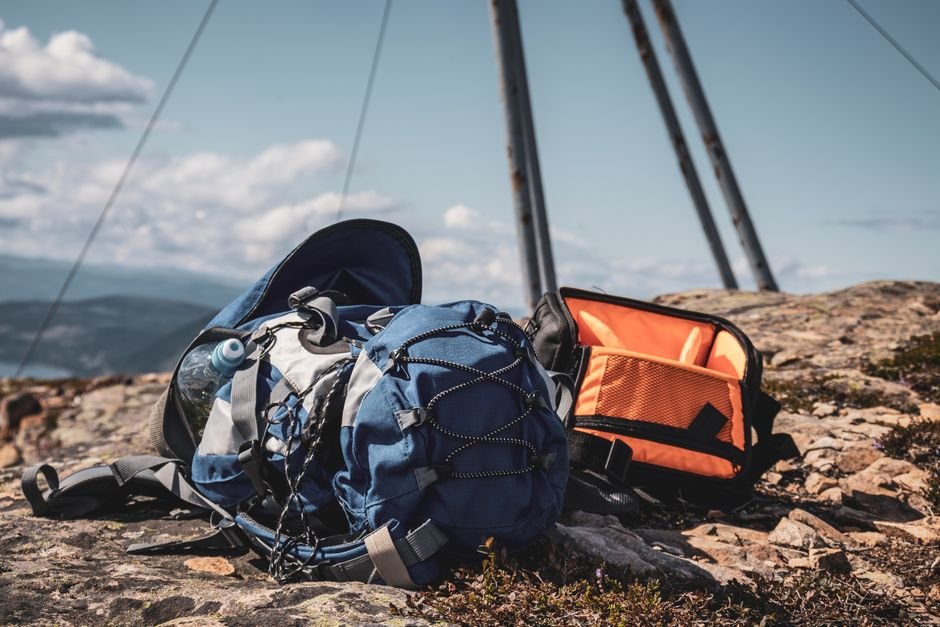
Packing a backpack for hiking incorrectly can result in back pain or fatigue during your trip. To avoid this, focus on the essentials and ensure your load is evenly distributed for better comfort and ease of movement on the trail.
When I first began hiking, I wish someone had told me how crucial it is to pay attention to the packing process. You can have the best gear, but if you don’t know how to use it effectively, you’ll feel like you’re dragging a boulder instead of enjoying the journey.
Here’s how I learned the art of packing my hiking backpack to make the most out of each trek.

Choose the Right Backpack Size
Your backpack choice can make or break your hiking experience. I’ve found that a pack between 40 to 70 liters is usually ideal for overnight or multi-day trips, while day hikes require something closer to 20 to 30 liters. Packing efficiently starts with recognizing what size your backpack needs to be, too big and you’ll end up overpacking, too small and you risk leaving critical gear behind.
Also, consider your body type. Choose a backpack with adjustable straps to ensure a snug fit. If it hangs too loosely, it can throw off weight distribution, leading to discomfort while hiking.
Layer Your Gear Strategically
When packing, aim to layer your gear in a logical order. Start with heavier items at the bottom of your pack. This positioning keeps your center of gravity low and improves balance. I usually pack my sleeping bag at the bottom, followed by my tent, and then the bulkier clothing items. Keep lighter items near the top for quick access.
Another common mistake I see is mixing similar items. For instance, having all cooking gear scattered throughout can lead to unnecessary chaos. Instead, place all cooking-related items together and store them in the same compartment. This way, you won’t be rummaging through your pack when it’s time to cook.
Use Compression Sacks and Packing Cubes
Compression sacks are my go-to for clothes. They save space and keep your gear organized. I can’t stress enough how much easier it is to pull out a well-packed sack than to dig through a jumbled mass of fabric. For smaller items, packing cubes help me maintain order. I usually dedicate one cube for snacks, another for toiletries, and so forth.
Avoid relying solely on stuff sacks for everything, though. Not every item needs to be compressed, trying to stuff your sleeping bag in one can lead to unnecessary wear and tear. Instead, use the compression method selectively.
Think About Weight Distribution
Understanding how to pack for proper weight distribution can save you from back pain. Place heavier items close to your back and at the middle of your pack. This method minimizes strain on your spine. Lighter items should be positioned further out and higher up.
Always test the weight distribution before heading out. I often walk around the house with my loaded pack to see how it feels. If anything feels off, I adjust until I achieve a comfortable balance; trust me, your back will thank you once you’re on the trail.

Avoid Skipping the Essentials
Packing the essentials is about knowing what you truly need. Here’s a quick list that should make it into your bag: water, first aid kitsnacks, map, and a reliable multi-tool. Don’t skip the first aid kit, it’s easy to overlook, but I’d argue it’s non-negotiable. You don’t want to wish you had packed it after a slip.
Surprisingly, many hikers neglect hydration systems. You lose track of how much you’re drinking when relying only on bottled water. If you use a hydration reservoirfill it completely and keep it upright to prevent leaks. An additional water filter can also make a significant impact, allowing you to refill from streams when needed without carrying excess weight.
Check the Weather and Adjust Accordingly
Weather conditions can dictate what you should take along. Researching forecasts can help you pack appropriately. If it’s going to rain, a waterproof jacket is a must. I once regretted not checking the forecast, bringing a heavy coat instead of a lighter waterproof shell led to an uncomfortable hike.
A basic checklist similar to this can keep you organized and focused:
- First aid kit
- Water and hydration system
- Snacks and meals for the duration
- Weather-appropriate clothing
- Map and compass
Practice Packing Before Your Trip
Finally, invest time in practice packing your backpack before your hiking trip. This exercise allows me to tweak what I pack based on previous trips. If something weighs too much or seems unnecessary, it’s better to figure that out at home than while you’re miles into the wilderness.
Simulation packing can reveal surprising insights into your own habits. As I changed my routine over time, I learned to leave behind certain gadgets that initially felt essential but ended up adding unnecessary weight.
My Final Verdict: Pack Smart, Pack Light
For those hiking short trails, prioritize essentials like water, snacks, and a first aid kit, while longer excursions may require additional gear such as a tent and sleeping bag. Choose a lightweight daypack for day hikes or a durable, larger backpack for multi-day trips to suit your specific needs.
See also our take on bag vs sports.
Frequently Asked Questions
How do you pack a backpack for hiking efficiently?
To pack a backpack efficiently, start by laying out all gear to assess your items. Place heavier items such as food and water at the bottom and close to your back, and utilize external pockets for frequently accessed items like snacks and maps.
What is the best way to organize a hiking backpack?
The best way to organize a hiking backpack is to categorize items by use; keep clothing, camping gear, and food separate. Use packing cubes or stuff sacks to compartmentalize and compress items, making it easier to reach what you need quickly.
How to distribute weight in a hiking backpack?
Distribute weight in a hiking backpack by placing heavy items as close to your back as possible and centrally located. Lighter items should be packed in the outer compartments to maintain balance and stability.
Why is it important to pack a backpack correctly for hiking?
Packing a backpack correctly is crucial for comfort, safety, and efficiency during a hike. A well-packed backpack can prevent fatigue, allow easier access to gear, and help maintain balance, reducing the risk of injury.
Can you pack a backpack for hiking without overloading it?
Yes, you can pack a backpack for hiking without overloading it by adhering to weight limits suited for your strength and the length of the hike. Prioritize essential items and eliminate non-essentials to keep your load manageable.
For those looking to learn more about how to pack a backpack for hiking, understanding various techniques and strategies can enhance your backpacking experience immensely.



Leave a Reply